
How to Choose the Right Hydraulic Breaker Hammer for Your Excavator
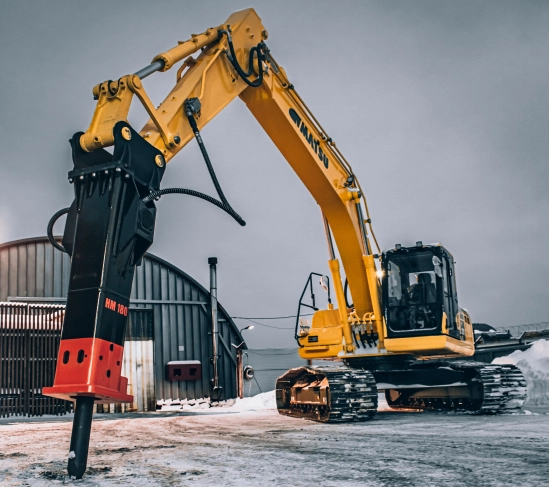
Picking the right hydraulic breaker hammer for your excavator goes beyond just picking the biggest or strongest model. A breaker that is too large adds stress to the machine. One that is too small often cuts productivity.
You must look at many details for a good pick. These include excavator weight. Check hydraulic flow next. Operating pressure matters too. Breaker size is key. Chisel diameter plays a role. Material hardness affects the choice. Working conditions matter just as much.
Why Matching the Hydraulic Breaker to Your Excavator Matters
A good match gives steady performance. It cuts extra stress on the excavator hydraulic system. The boom, arm, and mounting structure face less strain too. A breaker that is too large can throw off machine balance.
It may demand more hydraulic capacity than the excavator can supply. A breaker that is too small takes longer to break concrete or rock. This leads to lower productivity. It also raises fuel consumption. The right breaker should fit both the carrier and the job.
Step 1: Check Your Excavator’s Operating Weight
The first step in choosing an excavator breaker hammer is checking the excavator operating weight. Breaker manufacturers normally provide a recommended excavator tonnage range for each model.
Match Breaker Weight to Excavator Tonnage
Before selecting a breaker, confirm the excavator model, operating weight, lifting capacity, boom configuration, and mounting system. Kingho Technology offers hydraulic breakers for different machine classes, ranging from compact excavators around 0.8–2 tons to large excavators in the 40–55 ton range.
However, excavator tonnage is only the starting point. Hydraulic specifications must also be checked before selecting the final model.
Step 2: Match Hydraulic Flow and Operating Pressure
Hydraulic compatibility counts as a main factor. This matters when you choose a hydraulic breaker hammer. The breaker weight may match the excavator. Still, wrong hydraulic flow or pressure lowers performance. It raises wear at the same time.
Hydraulic Flow Rate
Hydraulic flow is normally measured in liters per minute or gallons per minute. It controls how well the breaker piston cycles. Too little flow can cause slow, weak operation.
Excessive flow may increase heat and accelerate internal wear. Each breaker therefore has a recommended hydraulic flow range. Smaller Kingho Technology models may require around 40–70 L/min, while larger breakers need substantially more hydraulic output.
Operating Pressure
Operating pressure is usually measured in bar or psi. The excavator auxiliary hydraulic circuit must supply enough pressure. It must stay inside the breaker’s specified working range.
Before purchasing an excavator hydraulic breaker, always compare the machine hydraulic flow and pressure. Use the manufacturer technical specifications for this check.
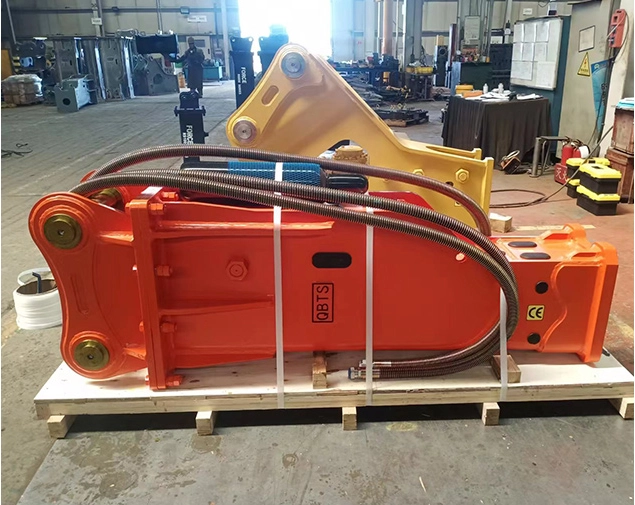
Step 3: Choose the Right Breaker Size and Chisel Diameter
Breaker size should match both the excavator and the material being processed. Asphalt, concrete, reinforced concrete, limestone, and hard rock require different combinations of impact force, frequency, and tool diameter.
Smaller breakers with higher impact frequency may be suitable for asphalt or light concrete. Medium breakers are commonly used for general demolition and construction, while hard rock and quarry applications usually require heavier breakers with larger chisels.
Chisel diameter is another useful indicator of breaker capacity. Kingho Technology hydraulic breaker models are available with chisel diameters ranging from approximately 40 mm to more than 200 mm. Always consider material hardness together with excavator capacity.
Step 4: Choose Between Side, Top and Box Type Breakers
Hydraulic breakers are available in different housing configurations. The right design depends on the application, maintenance requirements, visibility, and jobsite environment.
Side Type Hydraulic Breaker
A Side Type hydraulic breaker has a simple structure and provides convenient maintenance access. It also offers good visibility around the working tool, making it suitable for quarrying, rock breaking, road construction, and general excavation work.
Top Type Hydraulic Breaker
A Top Type hydraulic breaker is commonly used for general construction. It works for demolition. Trenching jobs use it. Infrastructure projects benefit from it. Its versatile mounting configuration makes it practical. Contractors use it across many applications.
Box Type Hydraulic Breaker
A Box Type hydraulic breaker uses an enclosed housing around the breaker body.
The housing helps reduce operating noise. It protects internal components. This design fits urban demolition. Municipal construction uses it. Other noise-sensitive environments work well with it.
Kingho Technology offers Side Type, Top Type, and Box Type breaker configurations. These suit different operating conditions.
Step 5: Consider Impact Rate and Working Conditions
Impact rate is usually measured in blows per minute, or BPM. A higher BPM does not always mean better performance. Higher impact frequency suits lighter materials. Harder rock often needs stronger individual blows instead.
You should also think about working intensity. A breaker used now and then for construction has different needs from one that runs daily in a quarry.
The same applies in mining. Typical applications include demolition. They cover mining and quarrying. Road construction uses these breakers. Trenching and concrete breaking do as well.
Quick Hydraulic Breaker Selection Checklist
Before buying a hydraulic breaker hammer, confirm these points.
-
What is your excavator model and operating weight?
-
What hydraulic flow is available?
-
What is the auxiliary hydraulic pressure?
-
What material will you mainly break?
-
What chisel diameter is suitable?
-
Do you need a Side, Top or Box Type breaker?
-
How many hours per day will the breaker operate?
-
Does the mounting bracket or quick hitch match your excavator?
Providing this information helps the manufacturer recommend a suitable breaker more accurately.
Common Mistakes When Choosing an Excavator Breaker Hammer
Choosing a Breaker Only by Excavator Tonnage
Excavator weight is important. Hydraulic flow and pressure must still match the breaker’s operating requirements.
Selecting the Largest Breaker Possible
A larger breaker is not always more productive. Excessive attachment weight can affect stability and increase stress on the boom and hydraulic system.
Ignoring the Material Being Broken
Concrete, limestone, granite, and asphalt require different breaker characteristics. Material hardness should always be considered during selection.
Ignoring Parts and After-Sales Support
Chisels, bushings, seals, hoses, and other components need maintenance. They require replacement over time. Reliable spare parts and technical support can cut downtime.
Why Choose a Kingho Technology Hydraulic Breaker Hammer?
Kingho Technology specializes in excavator attachments and front-end equipment for construction, demolition, mining, recycling, and infrastructure applications. Its hydraulic breaker range includes multiple models and Side Type, Top Type, and Box Type configurations for excavators of different sizes.
Customers can provide their excavator model. They share operating weight, hydraulic flow, and working pressure. Application requirements help too. This leads to a suitable breaker recommendation.
FAQs About Choosing a Hydraulic Breaker Hammer
Q: What size hydraulic breaker do I need for my excavator?
The correct size depends on excavator operating weight. It relies on hydraulic flow and working pressure. The material being broken counts too. Do not select a breaker based only on tonnage.
Q: Can a hydraulic breaker be too big for an excavator?
Yes. An oversized breaker may reduce stability. It can increase structural stress. It may exceed the excavator hydraulic capacity.
Q: What hydraulic flow does a breaker hammer need?
Required flow depends on the breaker model. Always compare the manufacturer recommended flow range. Match it with the excavator auxiliary hydraulic specifications.
Q: Which hydraulic breaker is best for concrete and rock?
Medium breakers often suit general concrete breaking. Hard rock applications usually require heavier breakers. They need larger chisels. Stronger impact capability helps as well.
Conclusion
Choosing the right hydraulic breaker hammer for your excavator comes down to matching excavator size with hydraulic flow. Operating pressure matters. Material type counts. Breaker configuration finishes the list.
A properly matched breaker improves productivity. It reduces machine stress. It extends equipment service life.
Explore Kingho Technology hydraulic breaker hammer range. Contact the team with your excavator specifications. This step helps identify a suitable model for your application.