
How to Choose the Right Excavator Attachment for Your Machine and Job
To choose the right excavator attachment, start with compatibility rather than a catalogue photograph. The right choice fits the carrier’s approved weight range, hydraulic circuit, mounting geometry and the material you will handle.
A practical selection process has four questions: Can the excavator carry and control the attachment? Can its auxiliary circuit supply the required flow and pressure? Does the tool suit the material and duty cycle? Can operators change or secure it within the site’s normal workflow?
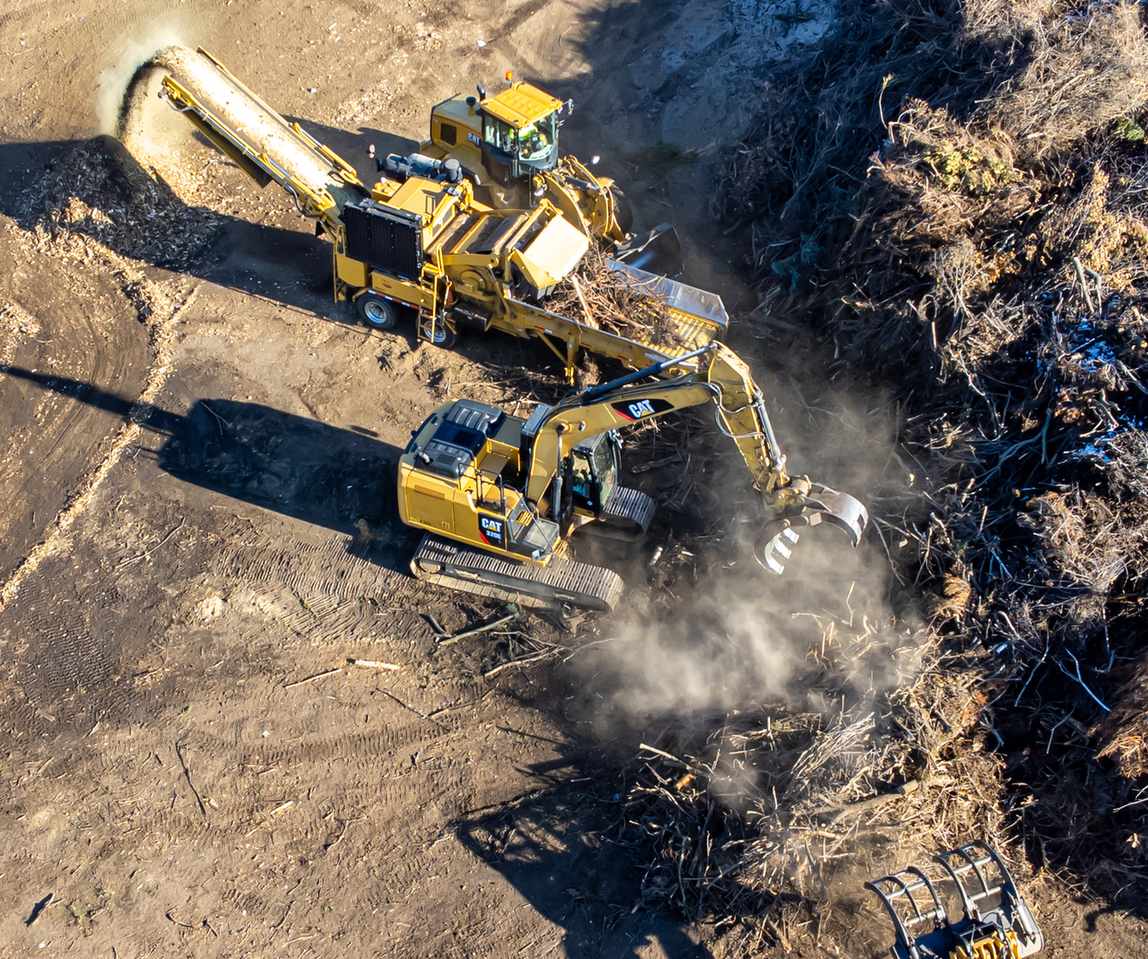
How Do You Start with the Excavator Carrier?
Begin with the carrier, because every later decision depends on its limits. Record the excavator’s make, model, operating weight, rated lift information and the attachment range approved by the machine or coupler manufacturer. Operating weight is a useful filter, but boom geometry, counterweight, stick length and load position also affect control.
If you are comparing excavator attachments, group them by the carrier class they are designed to serve, then remove any option that exceeds the approved attachment weight or changes the machine’s balance. A tool that is too light for the task may lack the required capacity; a tool that is too heavy can reduce stability, reach and transport practicality.
The selection rule is simple: keep only attachments that fit the carrier, the coupler and the intended load path at the same time. Do not choose by nominal tonnage alone. Two excavators in the same weight class can have different auxiliary circuits, pin dimensions and lift characteristics, so the machine data sheet must stay with the comparison.
What Hydraulic Specifications Control Attachment Fit?
Hydraulic compatibility determines whether an attachment can produce its intended movement and whether the excavator can control it smoothly. Confirm the auxiliary circuit’s continuous flow, maximum pressure, return-line arrangement and whether the machine has one-way, two-way or dedicated rotation hydraulics.
Use the data sheet to connect each value with a decision:
|
Carrier Data |
Why It Matters |
Selection Effect |
|---|---|---|
|
Auxiliary flow range |
Sets the oil volume available to the attachment motor or cylinder |
Exclude tools whose working range sits outside the circuit’s usable flow |
|
Working and relief pressure |
Influences force, speed and protection of the attachment circuit |
Match the attachment’s rated working pressure; do not treat the machine’s maximum as a target |
|
Return line and case-drain needs |
Affects motor back pressure and heat management |
Confirm plumbing before selecting rotating or motor-driven tools |
|
Circuit control and coupler valves |
Determines how the operator opens, closes or rotates the tool |
Check whether the excavator can control the attachment functions required on site |
The difference between a machine’s maximum rating and an attachment’s working range matters. A circuit can show a high peak pressure while still being unsuitable if its usable flow is unstable or its return path creates excess back pressure. Rotation tools may also need a separate circuit from a simple open-and-close grapple.
Ask for the attachment’s required flow and pressure as a range, then compare it with the excavator’s measured or documented values. This approach is more reliable than selecting a tool because it is marketed for the same excavator tonnage.
How Should an Attachment Match the Job Material?
Once the carrier and hydraulics are suitable, match the attachment to the material, shape and work pattern. The same excavator can dig, process concrete, move timber or compact soil, but each task rewards a different working geometry.
|
Work Context |
Attachment Direction |
What to Confirm |
|---|---|---|
|
General digging and loading |
Bucket or thumb combination |
Material density, bucket volume and breakout geometry |
|
Concrete and masonry processing |
Pulverizer or shear |
Material thickness, jaw opening, rotation needs and carrier reach |
|
Timber, scrap and irregular loads |
Grapple or grab |
Jaw shape, rotation control, load visibility and sorting pattern |
|
Trench or ground compaction |
Plate compactor or wheel |
Working width, required hydraulic circuit and access constraints |
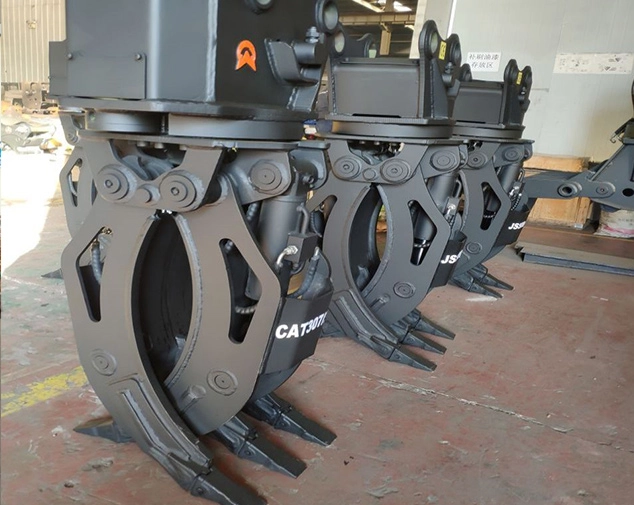
For concrete processing, compare a hydraulic pulverizer against the material thickness and the space available around the structure. For timber or scrap, a rotating steel/log grapple may make more sense when operators need to orient irregular loads instead of only lifting them.
Consider an illustrative 20–26 ton timber-handling excavator. The carrier range may support a grapple by weight, but the final decision still depends on auxiliary rotation flow, pin geometry, the density and length of the timber, and how often operators change between loading and sorting. The example shows why “fits a 20–26 ton excavator” is a starting filter rather than a complete specification.
Which Quick Hitch Interface Details Affect Daily Changeovers?
What Must Match at the Excavator Interface?
A compatible attachment must connect securely and leave enough clearance for the machine to work. Confirm pin diameter, pin spacing, hook or ear geometry, coupler type, locking method and hose routing before the attachment is approved for a fleet.
How Do You Validate a Changeover in the Work Area?
A hydraulic quick hitch can reduce changeover effort when a site moves between buckets and powered tools, but it does not make every attachment interchangeable. The coupler still has to match the attachment’s pin dimensions and weight, and the locking system must be visible and verifiable from the operator’s position.
Check the attachment through the full movement range, not only when it is parked. Look for interference between the coupler, boom, hoses and the attachment body. Confirm that the tool maintains useful visibility at the working angle and that the carrier can place the load without an unexpected change in reach. These interface details often decide whether a tool works across a mixed fleet or remains limited to one carrier.
FAQ
What Excavator Size Should I Use for a Hydraulic Grapple?
Start with the grapple’s approved carrier range, then confirm lift geometry, auxiliary flow and material density. Nominal excavator tonnage is only the first filter; the working load path and grapple weight determine whether the combination is practical.
How Do I Check Hydraulic Flow Before Ordering an Attachment?
Use the carrier manual, flow test or approved machine data for auxiliary flow, pressure and return requirements. Compare those values with the attachment’s working range and confirm whether the tool needs a dedicated rotation, case-drain or two-way circuit.
Is a Quick Hitch Compatible with Every Attachment?
No. Pin diameter, pin spacing, hook geometry, lock design and attachment weight must match the coupler. Powered tools may also require hydraulic connections or clearance that a general-purpose coupler cannot provide.
Which Attachment Suits Demolition versus Material Handling?
Demolition processing generally calls for tools such as pulverizers or shears, while timber and scrap handling often call for grapples. Material shape, sorting requirements, visibility and the need to rotate the load determine the final choice.
What Information Should I Send an Attachment Supplier?
Send the carrier make and model, operating weight, auxiliary flow and pressure, pin dimensions, coupler type, work material and intended operating pattern. Photos of the dipper end and the current coupler can help clarify interface questions.
How Can You Prepare the Selection Data?
A good attachment discussion becomes faster when the machine and job data arrive together. Prepare the carrier make and model, operating weight, auxiliary flow and pressure, return-line details, pin diameter and spacing, coupler type, material to be handled and the movements operators need to make.
For unusual carriers or mixed attachment fleets, a technical conversation about custom excavator solutions can help you resolve interface and circuit questions before a tool is selected. Share constraints such as transport width, site access, load visibility or the need to switch tools during a shift. The goal is a documented fit between the machine, attachment and work pattern.