
Excavator Attachment Compatibility: 7 Measurements You Need Before Ordering
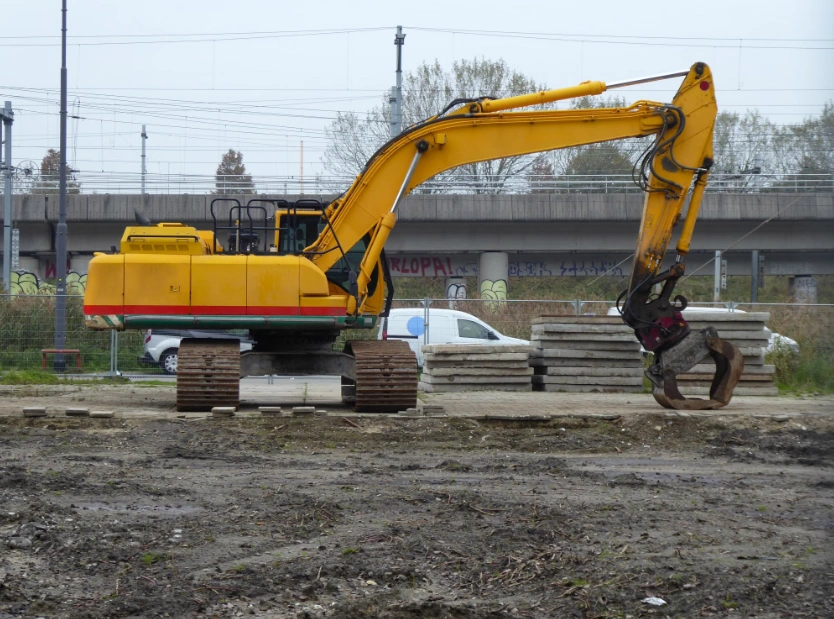
Picking the right excavator attachment takes more than matching it to the machine tonnage. Excavators with similar operating weights can still show different pin dimensions. They vary in mounting widths. Hydraulic flow rates often differ. Operating pressures and coupler systems change too. These specifications need checking before ordering. Otherwise the attachment may not fit right. It could also fail to deliver the expected performance.
Checking excavator attachment compatibility early cuts installation problems. It avoids extra modification costs. It also prevents downtime on the jobsite. This applies whether you order a hydraulic breaker, grapple, shear, pulverizer, plate compactor, pile driver, or quick coupler. The seven measurements below need confirmation before purchase.
Why Excavator Attachment Compatibility Is More Than Excavator Tonnage
Excavator operating weight gives a useful starting point. It should never serve as the only factor when you select an attachment.
Two 20-ton excavators from different manufacturers may use different pin diameters. Their pin center distances can vary. Stick widths often differ. Hydraulic flow ranges and auxiliary pressure settings show changes as well. An attachment built for one machine may need modification. It might require changes before installation on another machine.
Correct compatibility rests on several factors. These include mechanical mounting dimensions, hydraulic specifications, attachment weight, and coupler configuration. Checking all details before production or shipment leads to safer installation. Work also runs more smoothly.
7 Measurements You Need Before Ordering an Excavator Attachment
Before placing an order, record the following measurements and specifications from your excavator.
| Measurement | What to Check | Why It Matters |
| Excavator weight | Operating weight and machine model | Determines the suitable attachment class |
| Pin diameter | Diameter of mounting pins | Ensures correct mechanical fit |
| Pin center distance | Center-to-center pin measurement | Ensures correct linkage alignment |
| Mounting width | Width between mounting points | Prevents loose or overly tight installation |
| Hydraulic flow | L/min or GPM | Affects operating speed and performance |
| Hydraulic pressure | Bar or PSI | Ensures safe hydraulic operation |
| Hose connections | Hose size, fittings, and circuits | Ensures correct hydraulic connection |
1. Excavator Operating Weight
Begin with the excavator model and operating weight. Attachment manufacturers usually group products by compatible carrier ranges. Examples include 5–8 tons, 10–15 tons, or 18–25 tons.
An attachment that weighs too much can lower machine stability. It reduces lifting capacity. Working efficiency drops. An attachment that weighs too little creates different issues. It may not deliver enough force. Productivity for the job can suffer.
Operating weight helps narrow the correct excavator attachment size. Even so, more measurements stay necessary before ordering.
2. Pin Diameter
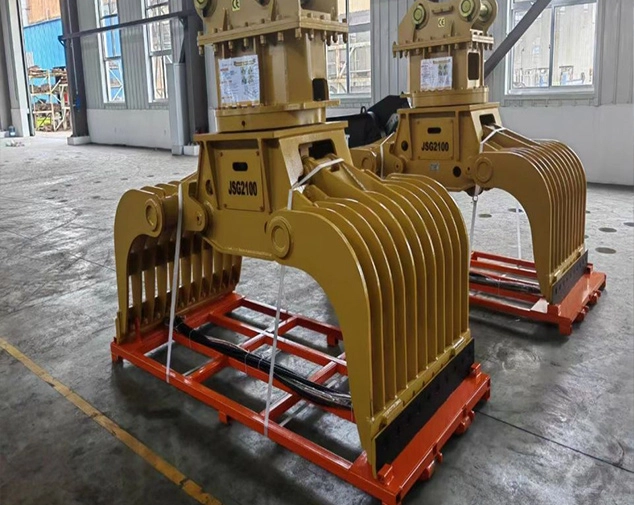
Excavator pin size counts as one of the main mechanical measurements for attachment fitment.
Measure the diameter of the mounting pins with care. A caliper gives the best results. Pin diameter usually appears in millimeters. Small differences matter. They can decide if the attachment bracket fits the excavator arm.
Never assume two excavators in the same tonnage class share the same pin diameter. Different brands, models, and production years often use different mounting specifications.
3. Pin Center-to-Center Distance
The next measurement covers the distance from the center of one mounting pin to the center of the other.
This dimension may also go by the name pin center distance. Some call it pin-to-pin distance or pin centers. It matters a great deal. It shows whether the attachment linkage lines up with the excavator.
Measure from the center of each pin to gain the best accuracy. Avoid using the outer edge. Wrong measurements can lead to poor fitment. They may limit movement. Bracket modification could then become necessary.
4. Dipper Arm / Ear Width
Mounting width is another critical part of excavator attachment compatibility.
Depending on the machine and attachment design, this measurement may be referred to as stick width, boss width, ear width, or mounting width. It usually refers to the width between the attachment mounting points or the excavator linkage interfaces.
Width that runs too narrow or too wide creates extra work. Bushings, spacers, or bracket modifications may then be needed. Accurate measurement lets the manufacturer prepare a mounting bracket that fits well.
5. Hydraulic Flow Rate
Hydraulic attachments need the right oil flow. This flow lets them run efficiently.
Hydraulic breakers require certain flow levels. Grapples, shears, pulverizers, compactors, and pile driving attachments each carry their own flow needs. Hydraulic flow appears in liters per minute (L/min) or gallons per minute (GPM).
Too little flow can make the attachment operate slowly or reduce its working force. Excessive flow can cause overheating, increased wear, seal damage, or excessive operating speed.
Always compare the excavator’s auxiliary hydraulic flow with the recommended flow range of the attachment before ordering.
6. Hydraulic Operating Pressure
Hydraulic operating pressure is just as important as hydraulic flow.
Pressure is normally measured in bar or PSI. The excavator’s auxiliary hydraulic pressure must be compatible with the attachment’s working pressure range.
Pressure set too low weakens breaking force. Gripping force drops. Cutting force and vibration performance lose power. Pressure set too high damages hydraulic hoses. Seals can fail. Motors, valves, and cylinders face trouble.
Hydraulic attachments need both flow and pressure checked together. Looking at only one leaves gaps.
7. Hydraulic Hose and Connection Size
Last, examine the excavator hydraulic hoses and connection needs.
Key details cover hose diameter. Fitting size counts. Thread type must match. Quick coupling type needs review. The number of available hydraulic circuits also plays a role.
Rotating attachments make this check even more vital. A standard grapple needs only opening and closing. A rotating grapple adds demands. A hydraulic shear usually needs one more hydraulic circuit to handle rotation.
Confirming these details before shipment shortens installation time. It stops surprise hose or fitting changes at the jobsite.
Additional Information Your Attachment Manufacturer May Need
Beyond the seven measurements, your attachment manufacturer may ask for more details before suggesting a suitable model.
Helpful information includes excavator brand and model. Year of manufacture adds value. Operating weight matters. Existing quick coupler type should appear. Working application counts. Material being handled is useful. State whether 360 degree rotation is required.
Photos prove helpful as well. Clear pictures of the excavator arm give insight. Views of the linkage help. Images of the coupler, hydraulic hoses, and connection points let the manufacturer understand the full machine setup.
Complete information sent before production lowers compatibility risks. It also simplifies selection of the correct attachment.
Common Compatibility Mistakes to Avoid
Many buyers pick an attachment using only excavator tonnage. Machine weight offers help, yet it cannot confirm mechanical or hydraulic compatibility.
Other frequent errors involve guessing pin dimensions. Some measure pin spacing the wrong way. Others ignore hydraulic flow requirements. Failing to check attachment weight creates further trouble.
Buyers should stop assuming attachments made for one excavator brand will fit another brand without issue. Rotating attachments need extra care. The machine must supply the correct auxiliary hydraulic circuits.
A few minutes spent confirming specifications before ordering can stop expensive modifications later.
How Kingho Technology Helps Confirm Attachment Compatibility
Kingho Technology manufactures excavator front end attachments for demolition, hydraulic breaking, material handling, shearing, recycling, compaction, piling, and other heav duty applications.
Its product range includes hydraulic breakers, hydraulic grapples, hydraulic shears, pulverizers, plate compactors, pile driving attachments, quick couplers, and other excavator attachments.
Correct excavator attachment compatibility starts with accurate measurements. Before ordering, confirm your machine’s operating weight, pin diameter, pin center distance, mounting width, hydraulic flow, hydraulic operating pressure, and hose connection specifications.
If you are unsure which attachment fits your excavator, provide Kingho Technology with your machine model and technical measurements. The team can help you select a suitable attachment configuration for your equipment and working application.
Excavator Attachment Compatibility FAQs
Q: Are excavator attachments universal?
No. Excavator attachments are not universally interchangeable. Pin diameter, pin center distance, mounting width, hydraulic requirements, attachment weight, and coupler systems can vary between excavator models.
Q: How do I know if an attachment will fit my excavator?
Check the excavator model, operating weight, pin diameter, pin center distance, mounting width, hydraulic flow, operating pressure, and hydraulic connection requirements. The attachment manufacturer can use this information to confirm compatibility before ordering.
Q: Can the same attachment fit different excavator brands?
Sometimes. An attachment may fit different excavator brands when the mounting dimensions, weight requirements, and hydraulic specifications line up. In certain cases customized brackets, bushings, spacers, or adapters become necessary.