
How to Choose an Excavator Pile Driver for Sheet Piles and Pipe Piles
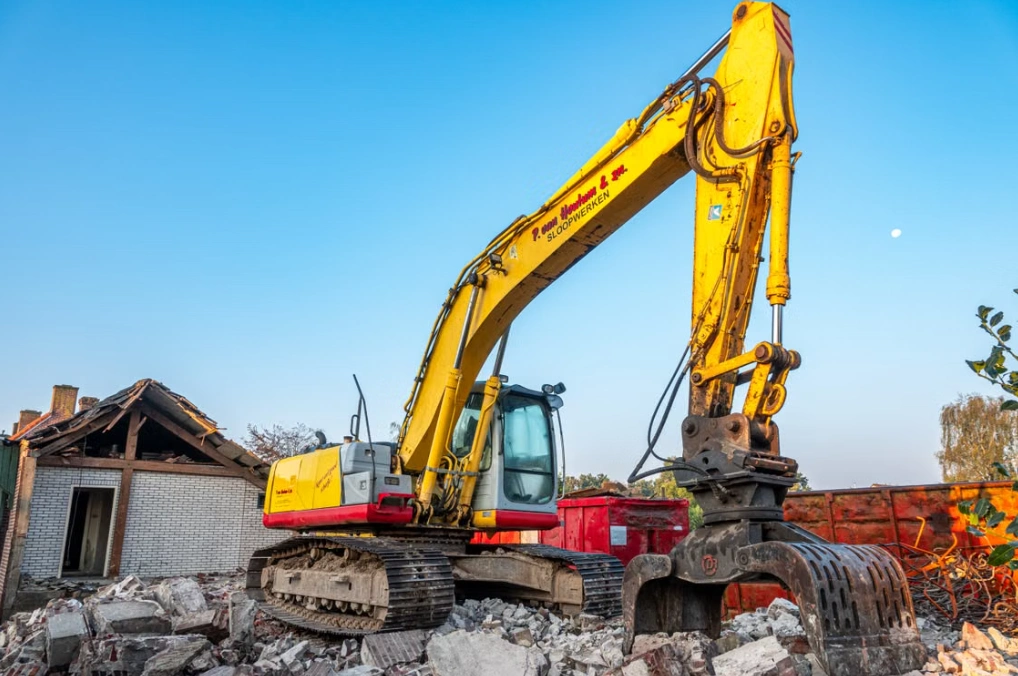
An excavator pile driver seems basic when viewed from far away. You clamp the pile. Then you start the vibration. Finally you drive it in. Yet the choice on site is rarely that easy. A hammer that performs well with a 12 meter sheet pile may prove a poor match for a heavy steel pipe. The excavator may carry enough engine power. Still it may lack enough hydraulic flow.
Choosing the right excavator pile driver means you match the carrier, pile, ground, and clamp as one working system.
What Is an Excavator Pile Driver?
An excavator mounted pile driver takes hydraulic power from the carrier. It creates vibration through an eccentric mechanism. This vibration lowers friction between the pile surface and the soil around it. The lower friction helps the excavator drive or extract the pile.
These attachments see regular use with steel sheet piles, pipe piles, H-piles, and similar foundation or retaining structures. Their main advantage is mobility. The excavator can lift the pile. It can position the pile. It can drive the pile. It can also extract the pile. No dedicated piling rig is required.
Sheet Piles vs Pipe Piles: Why the Pile Type Affects Your Choice
Pile shape changes how the load reaches the clamp and how easy the pile is to control while suspended. A contractor driving sheet piles all day needs a different setup from a crew installing large diameter pipe piles.
Sheet Piles
Sheet piles are common in retaining walls, cofferdams, trench protection, riverbank work, and temporary excavation support.
Width, profile, length, and weight all matter. Long sheets can swing hard during positioning, especially on uneven ground. The clamp must hold the pile securely without interfering with the interlock.
Pipe Piles
Pipe piles are used in foundations, bridges, ports, marine structures, and heavy infrastructure. Diameter and wall thickness matter, but pile weight and length often decide whether the excavator can handle the job safely.
A hammer may have enough driving force on paper and still be the wrong choice if the clamp cannot control the pipe during lifting and alignment.
6 Factors to Consider When Choosing an Excavator Pile Driver
Excavator tonnage is a useful starting point, not a complete selection method. These six checks usually expose a mismatch before the machine reaches site.
1. Match the Pile Driver to Your Excavator Size
Start with operating weight, lifting capacity, boom configuration, and working radius.
A 20–30 ton excavator is commonly paired with medium piling attachments, but not every hammer in that class will suit the carrier. Attachment weight moves the machine’s center of gravity, and the suspended pile adds another dynamic load.
Oversizing reduces stability. Undersizing creates slow driving and encourages operators to push the attachment harder than intended.
2. Check Hydraulic Flow and Operating Pressure
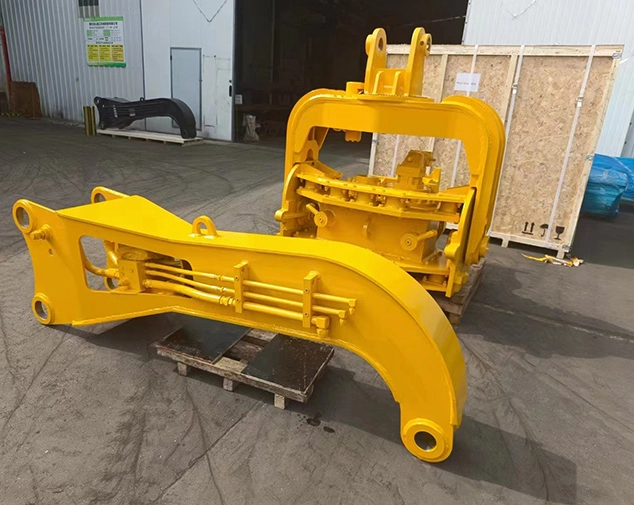
Pile drivers depend heavily on hydraulic flow. Check available oil flow and working pressure against the pile driver requirement. Low flow reduces vibration performance. Poor hydraulic matching can also raise oil temperature and make cycle times inconsistent.
Send the manufacturer the excavator brand, exact model, and auxiliary hydraulic specifications. “30 ton excavator” is not enough. Two machines in the same weight class can have quite different hydraulic settings.
3. Consider the Pile Type, Size, and Weight
The pile driver has to control the pile before it can drive it.
For sheet piles, provide the profile, width, length, and approximate weight. For pipe piles, provide outside diameter, wall thickness, length, and weight.
A project using 6 meter trench sheets places very different demands on the attachment than a job handling 15 meter steel pipes. Clamp capacity, vibration force, attachment weight, and carrier lifting capacity all move together.
4. Evaluate Soil Conditions
Sand and loose granular soil are generally friendly to vibratory driving. Dense clay, compacted fill, gravel, or mixed layers can be less predictable.
Soil investigation data, even basic borehole information, helps when selecting vibration force and estimating productivity. In uncertain ground, some performance margin is usually worth having.
This is where site experience matters. A pile driver that performs quickly in loose riverbank sand may behave very differently a few meters away where compacted fill or dense clay appears.
5. Choose the Right Clamping System
For sheet piles, the jaw needs to grip securely while keeping the pile easy to align. For pipe piles, the clamp geometry must match the diameter and maintain control during lifting, rotation, and driving.
Side clamping can help when piles are picked directly from the ground. Custom jaws may be necessary for unusual profiles or repeated work with one pipe size.
A strong hammer with a poor clamp is still a poor piling setup.
6. Consider Required Driving Depth and Productivity
Ask how many piles need to be installed, how deep they must go, and how much working time is available.
A contractor building a short retaining wall does not have the same production target as a crew driving hundreds of sheets along a waterfront. Continuous piling puts more demand on hydraulic cooling, bearings, clamps, hoses, and operator workflow.
Extraction matters too. Pulling old sheet piles can be harder than installing new ones because soil has tightened around the steel. If extraction is part of the job, mention it during selection.
What Information Should You Send a Pile Driver Manufacturer?
A useful quotation starts with useful site information.
Before requesting a quotation, provide:
-
Excavator model
-
Excavator operating weight
-
Hydraulic flow
-
Hydraulic pressure
-
Sheet pile type and dimensions
-
Pipe pile diameter
-
Maximum pile length
-
Approximate pile weight
-
Soil conditions
-
Required driving depth
-
Project application
This avoids receiving an attachment that technically fits the excavator but is poorly suited to the work.
Why Work With an Experienced Excavator Attachment Manufacturer?
Pile driving is an application where matching matters more than brochure specifications.
A manufacturer should be able to discuss hydraulic compatibility, carrier size, clamp configuration, pile geometry, and site conditions before recommending a model. Spare parts and technical support matter too, especially on long shift projects.
Kingho Technology manufactures excavator front end equipment for piling and other heavy duty applications. For a pile driver inquiry, send the excavator model and pile details rather than selecting by tonnage alone.
Conclusion — Choose the Pile Driver Based on the Excavator and the Job
The right excavator pile driver is the one that works comfortably with the carrier and handles the actual pile on the actual ground. Check hydraulic flow, lifting capacity at working radius, pile weight, and clamp geometry. Then look at soil conditions and production targets.
Looking for an excavator pile driver for sheet piles or pipe piles?
Send Kingho Technology your excavator model, pile specifications, and working conditions. Our team can help recommend a suitable pile driving attachment for your project.
FAQ About Excavator Pile Drivers
Q: Can one excavator pile driver handle both sheet piles and pipe piles?
Often, yes, but the clamp configuration may need to change. The hammer must also have enough capacity for the heavier pile type. Confirm pile dimensions and clamp requirements before ordering.
Q: What size excavator is best for a pile driver?
There is no single best size. The carrier needs enough lifting capacity, hydraulic flow, pressure, and stability for the selected hammer and pile. Excavator tonnage is only the first filter.
Q: Can a vibratory pile driver extract sheet piles?
Yes. Vibratory pile drivers are commonly used to extract temporary sheet piles. Performance depends on soil conditions, embedment depth, pile condition, and available pulling force.
Q: What information is most important when requesting a quotation?
Send the excavator model, hydraulic flow and pressure, pile type, pile dimensions, maximum pile length and weight, soil conditions, and required driving depth. Those details allow a more accurate equipment match.