
The Essential Guide to Excavator Bucket Lifting Eye Safety and Testing Standards
Operators of heavy equipment in building or extraction sites understand that an excavator bucket lifting eye serves as more than a simple metal ring. It acts as a vital weak spot that bears tons of force in each raise. Keeping this part firm and reliable marks the line between smooth daily work and a major disaster on site. For those handling a group of machines, the main goal stays focused on running gear efficiently while protecting the team on the ground.
Prior to exploring details on upkeep and weight thresholds, consider teaming up with a producer that values these core safety elements. One strong option involves checking out Guangdong Kingho Technology Co., Ltd., a top producer with more than ten years refining portable smart gear. They go beyond mere sales. Instead, they deliver designed fixes for tough settings, such as extraction or harbor handling. Holding approvals like ISO9001, ISO14001, and CE, their focus on worldwide quality rules means each piece of gear comes ready for intense, lasting use. Their large 57,330-square-meter plant employs modern CNC tools to keep accuracy in over 50 various types. For dependable, expert-level gear that fits global safety marks, they stand as the trusted ally required.
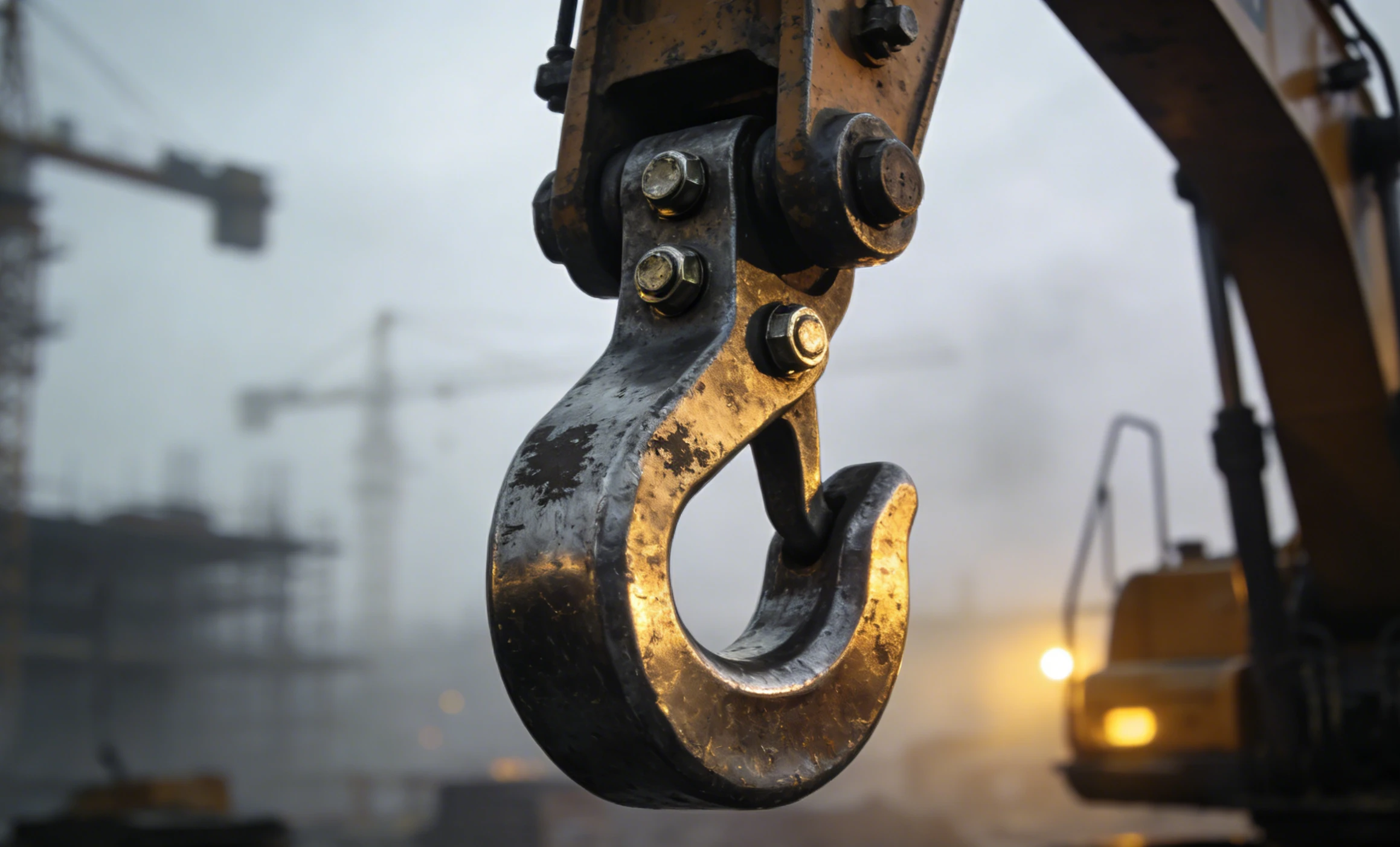
Why Is Regular Testing of Excavator Bucket Lifting Eyes Indispensable?
One must not rely on luck for the firmness of lifting spots. An excavator bucket lifting eye faces heavy strain across numerous uses. Even a tiny split can cause an abrupt snap.
On-Site Safety: Eliminating Falling and Failure Risks in Lifting Operations
Each instance of employing an excavator bucket lifting eye to shift pipes, barriers, or tools places faith in one weld or mold for the safety of the crew. Steady checks spot concealed flaws from material wear or wrong loading. Thus, a firm testing plan cuts out uncertainty in raising tasks. It also keeps the work area secure for all participants.
Regulatory Compliance: Meeting ISO, CE and Global Lifting Equipment Standards
Running gear without current test papers can bring large legal risks and claim rejections from insurers. Standards like ISO9001 and CE form a must for current building efforts. Such rules aim to even out the safety of raising parts. Once gear clears these tough exams, it shows that the parts can manage their set weights in actual settings.
Cost Protection: Avoiding Unplanned Downtime and Expensive Structural Failures
Testing demands some upfront time and effort, yet it costs far less than a breakdown in structure. A failed lifting eye might harm the bucket, the machine’s arm, and the cargo itself. Routine exams catch damage soon. As a result, they prevent sudden stops that delay projects and lead to steep fix bills.
Key Industry Standards and Requirements for Certified Lifting Eyes
To run a solid set of machines, adherence to set procedures proves essential, far from a quick look at the tools.
Mandatory Periodic Load Testing and Proof-Load Verification
In a proof-load exam, force beyond the set limit applies to the excavator bucket lifting eye to confirm its build strength. Perform these checks each year or following major fixes. The method verifies that the material stays flexible and the link point holds its planned load without risk.
Routine Visual Inspections for Cracks, Deformation and Wear Damage
Carry out basic sight reviews each day between official load exams. Search for “necking” signs, where material pulls thin, or any clear splits near the weld root. Focus especially on the eye’s inside width, since steady rubbing from hooks can wear it down gradually.
Strict Material Validation for High-Strength Lifting Eye Components
Safety in a lifting eye begins with the makeup of its steel. Parts demand construction from strong materials such as Q345 manganese or 42CrMo alloy steel. These choices deliver the needed durability to take impacts without breaking. That quality proves key for demanding raise tasks in rough ground conditions.
How Superior Engineering Builds Safer Lifting Eye Attachments
Dependable gear stems from careful building and choice of quality materials. Attention to build steps guarantees that the excavator bucket lifting eye works steadily amid stress.
High-Strength Steel Combinations: Q345 Manganese and NM400 Wear-Resistant Steel
Q345 manganese plate steel brings solid rust protection and robust power, suiting it well for the main frame of the gear. Pairing it with NM400 or NM500 abrasion-proof steel lets the bucket endure scraping from stones and dirt. At the same time, it keeps the firmness needed for secure raises.
Premium 42CrMo Alloy Steel Pins for Enhanced Strength and Fatigue Resistance
Pins form the turning spots in attachments. Using 42CrMo alloy steel gives them the sturdiness to manage strong twists and quick motions. Often, these pins have inner oil channels. They also receive heat processing to boost their ability to resist repeated strain. This setup aids the steadiness of the raise system.
Optimized Buckets: Engineered with Safe, Tested Lifting Eye Solutions
Selecting the proper gear for a task holds great importance in upholding safety rules. These particular pieces come designed to blend smoothly with raise demands.
Earth Rock Buckets for Heavy-Duty Excavation and Lifting
In firm ground or loose stones, a bucket built for intense digging becomes necessary. Earth Rock Bucket includes extra side plates and supports for better lasting power. The built-in lifting eye fits into the tough steel body. Therefore, switching from digging to raising happens without changing tools.
-
Key Advantage: Suited for filling loose stones and mixes of stones with earth.
Clamshell Buckets for Stable Bulk Material Handling & Lifting
For shifting and clearing broken or grainy loads, the Clamshell Bucket provides strong build quality. Made from NM500 abrasion-proof steel, it uses a twin-cylinder rod setup for smooth, even action. Heat-processed alloy pins keep the raise spots firm, even at full capacity.
-
Key Advantage: Relies on brought-in HALLITE oil seals for extended use and fast task rounds.
Clamp Buckets with Secure Lifting & Precision Clamping Performance
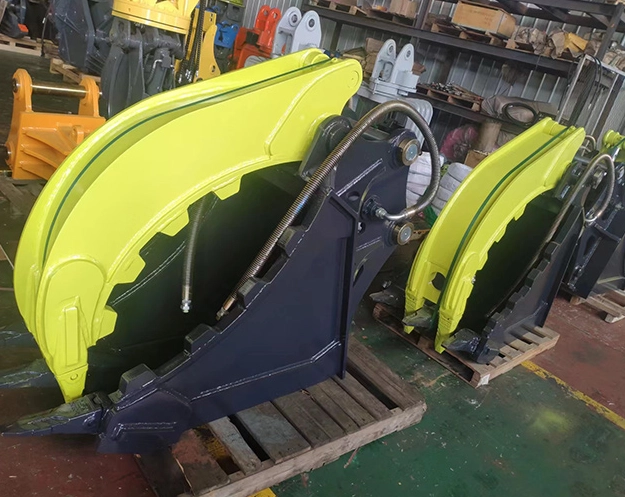
To dig and grip stones or minor loads at once, the Clamp Bucket fits perfectly. Formed from Q345 manganese steel, it offers firm structure and fight against rust. A brought-in Swiss turning motor enables complete rotation. This makes placing the excavator bucket lifting eye spot-on for each raise simpler.
-
Key Advantage: Includes smoothed tube cylinders for steady force and rapid rounds.

Partner for Safe, Certified Excavator Lifting Attachments
Safety during raise tasks demands ongoing effort. Opting for expert-level gear means more than acquiring items. It involves gaining a full aid network with tailored design aid and complete worldwide rule adherence. From early planning of a tailored excavator bucket lifting eye to worldwide shipping and follow-up tech help, a skilled producer ensures efforts progress smoothly and crews remain protected.
FAQ
Q: How often does an excavator bucket lifting eye need to be tested?
A: Conduct a sight check every day prior to operation to spot splits or damage. That said, a proper load exam and approval usually occur once per year under worldwide safety guidelines to confirm build soundness.
Q: Can I weld a new lifting eye onto my bucket myself?
A: Avoid doing unapproved welds on raise parts. Lifting eyes require joining via exact weld methods and tough materials like Q345 manganese steel to bear set loads securely. Seek advice from a skilled producer for any changes.
Q: What materials are best for heavy-duty lifting attachments?
A: For top safety and lasting time, seek gear from strong steel such as NM400 or NM500 for the main part, plus 42CrMo alloy steel for pins and turns. These options strike the finest mix of power, scrape resistance, and strain safeguard.