
Hydraulic Quick Hitch vs Manual Quick Hitch: Which One Should You Choose?
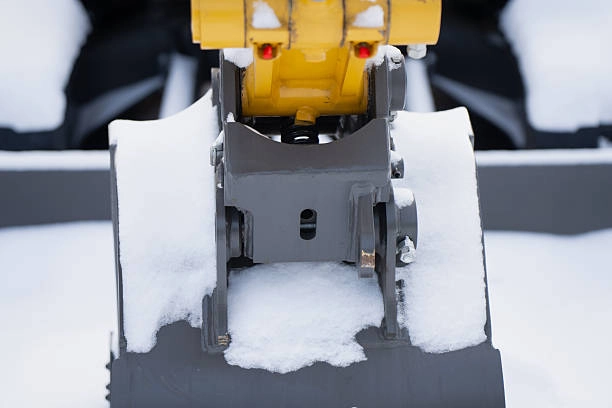
Choosing between a hydraulic quick hitch and a manual one isn’t just about the upfront price; it’s about how much idle time you can tolerate on a job site. If the machine is switching tools more than twice a day, the hydraulic version pays for itself in weeks. Manual hitches have their place in low-intensity utility work, but for production-heavy environments, they are becoming a relic of the past.
Core Differences in Quick Hitch Engineering
The engineering behind these two components dictates everything from how the operator starts their day to the stress placed on the excavator’s arm.
Operational Mechanisms and Design Philosophy
Manual hitches are the simpler of the two, relying on physical screw threads or spring-loaded pins to secure the attachment. You have to get out of the cab, usually with a large bar or wrench, to physically wind the mechanism or release a spring. It’s basic, but it works. In contrast, hydraulic quick hitch systems utilize the excavator’s auxiliary fluid power to actuate locking cylinders from the cab. This design philosophy prioritizes operator comfort and speed.
A secondary factor often overlooked is weight distribution. A hydraulic quick hitch is generally heavier and bulkier than a manual one. This extra weight at the end of the stick shifts the center of gravity and slightly reduces the breakout force. For a machine dedicated to heavy prying, that extra few inches of “pin-to-tip” distance matters.
Efficiency Gains in High-Frequency Attachment Swaps
In a world where fuel and labor costs keep rising, efficiency isn’t a luxury—it’s the margin.
Hydraulic hitches allow operators to switch from a bucket to a ripper or grapple in seconds without leaving the seat. Imagine a demolition site where you need a hydraulic shear (car dismantling) for the frame and then immediately need a sorting grab to move the debris. With a hydraulic setup, that transition happens instantly.
Manual changes, however, are a different story. They often require 10 to 15 minutes of downtime and physical labor for each transition. If the pins are stubborn or the ground is muddy, it takes longer. These small delays add up. Over a week, those time savings translate directly into more cubic meters moved per shift in multi-tasking environments.
Safety Protocols and Risk Mitigation on the Job Site
Safety is the biggest driver behind the industry’s shift toward hydraulic systems, especially the double-lock varieties.
Addressing the Human Element in Manual Locking
The weakness of a manual hitch isn’t the steel; it’s the person using it. Manual hitches require the operator to physically verify the safety pin insertion, which is often skipped under time pressure. I’ve seen it happen—an operator thinks the thread is tight enough, skips the pin to save two minutes, and the bucket ends up sliding off. Safety risks increase when working in muddy or uneven terrain where accessing the hitch is difficult. Slipping off a track while trying to reach a hitch pin is a common, avoidable injury.
Integrated Safety Features in Modern Hydraulic Systems
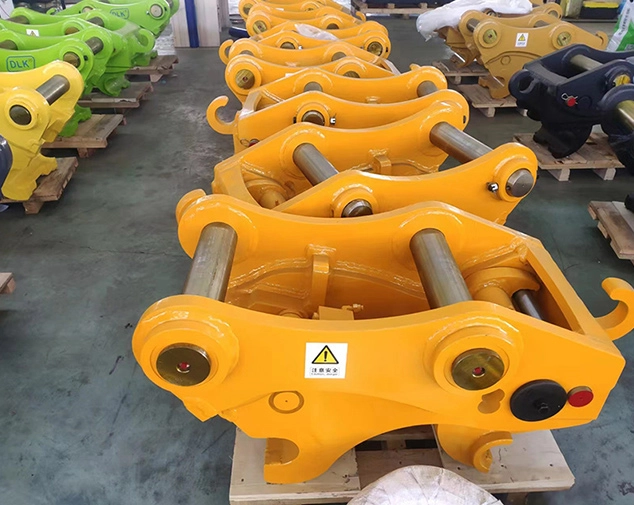
Modern units, like the hydraulic quick hitch (double lock type), have layers of redundancy. Check valves and internal springs ensure the attachment remains locked even in the event of a hydraulic hose failure. Even if the machine loses all pressure, that bucket isn’t going anywhere. Furthermore, sensors and audible alarms provide the operator with confirmation of a secure connection before lifting. It removes the guesswork.
Long-Term Maintenance and Durability Expectations
Maintenance is a trade-off between simplicity and capability.
Manual hitches have fewer moving parts, leading to lower initial maintenance costs and simpler repairs. There are no seals to blow or hoses to snag. However, exposure to abrasive materials affects the locking precision of manual threads over time. Once those threads get packed with grit or start to wear down, the hitch gets “sloppy.”
Hydraulic units are more complex. These hydraulic units require regular inspection of seals, hoses, and cylinder bushings to prevent leaks. But there is a hidden benefit: hydraulic pressure can compensate for minor wear by keeping the locking wedge tight against the pins, which a fixed manual screw simply cannot do.
Assessing the Financial Impact: ROI vs. Upfront Cost
The math usually favors the hydraulic hitch for any machine over 13 tons that sees daily use.
Manual hitches offer a lower entry price point, making them attractive for specialized machines that rarely change tools. If a machine has a hydraulic breaker attached 95% of the time, a manual hitch is fine. But for a general-purpose excavator, the higher investment in hydraulic technology is typically recouped through reduced labor costs and increased machine utilization. You also have to think about the back end; the resale value for excavators equipped with hydraulic quick hitches tends to be higher in the secondary market. Buyers today expect hydraulic convenience.
How Do Site Conditions Influence Your Choice?
The environment usually dictates the tool.
In our experience, demolition and recycling sites often demand constant tool changes, making hydraulics almost mandatory. You might switch between an eagle shear and a concrete crusher several times an hour. Conversely, remote utility work or basic trenching with a single bucket may justify the simplicity of a manual hitch.
Climate also plays a role. Hydraulic fluid viscosity can be a factor in extreme cold, slowing down the locking action. On the flip side, manual pins can seize in corrosive environments, like coastal work or salt handling, making a “quick” manual hitch anything but quick.
Integration with Specialized Excavator Attachments
A hitch is only as good as the tools it carries.
Compatibility with High-Flow Tools
When evaluating how hitches handle the vibrations and stresses of hydraulic breakers or shears, the locking force is paramount. A hydraulic hitch provides a constant “clamping” force that absorbs some of the vibration. You also need to ensure the hitch profile does not interfere with the range of motion for tilt-rotators or specialized grapples. A bulky hitch can sometimes limit how far a bucket can curl.
The Importance of Precision Fitment
If there is “slop” in the connection, you’re losing money. Loose tolerances in cheaper hitches lead to “slop,” which accelerates wear on the excavator’s arm and linkage pins. This vibration also ruins the excavator attachment over time. Choosing a manufacturer that prioritizes tight tolerances ensures better energy transfer from the machine to the ground.
Need help selecting the right hydraulic or manual quick hitch for your excavator?
Contact Kingho Technology today to discuss your machine model, attachment requirements, and job site needs. Our team can help you find a reliable quick hitch solution built for your operation.
FAQ
Q: Can I install a hydraulic quick hitch on an older excavator?
A: Yes, as long as the machine has auxiliary hydraulic lines. Most Hydraulic Quick Hitch kits can be retrofitted to older models fairly easily.
Q: Do hydraulic hitches require a special safety pin?
A: Most modern designs, like the hydraulic quick hitch (double lock type), feature an automated internal safety lock, but many still use a manual safety pin as a secondary backup.
Q: How often should I grease a manual quick hitch?
A: Daily. Because they rely on physical threads, keeping them lubricated is the only way to prevent the screw from seizing due to rust and dirt.