
How to Choose the Right Hydraulic Thumb for Your Excavator
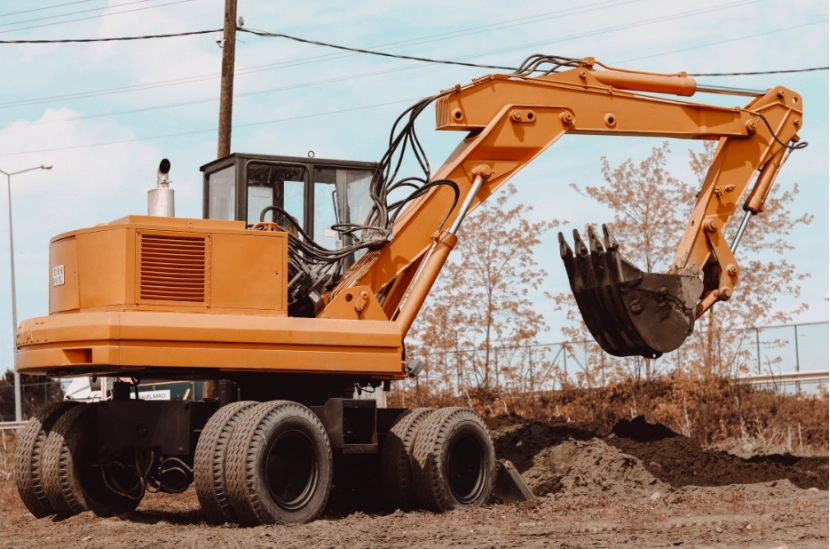
A hydraulic power thumb completely shifts how an excavator works on a job site. This is not merely a basic attachment. Instead, it is a vital tool. It redefines the machine’s daily tasks. Without this tool, an excavator mostly digs and loads dirt. However, adding it lets the exact same machine grasp, sort, and stack rough materials. Normally, those tasks would demand hard manual labor. They might also need extra heavy equipment.
What Is a Hydraulic Thumb and Why It Matters
A hydraulic thumb enhances an excavator’s ability to grip, lift, and handle irregular materials. It works like a mechanical hand—closing against the bucket to trap whatever needs moving. This makes it indispensable in demolition or forestry work where debris comes in unpredictable shapes. It transforms the excavator from a digging tool into a versatile material handling machine. Operators who switch between rock placement and scrap sorting know how much time this saves. Common applications include demolition, recycling, forestry, and construction debris management.
How Does a Hydraulic Power Thumb Work?
The hydraulic thumb operates using the excavator’s existing hydraulic system for synchronized movement with the bucket. When the operator curls or uncurls the bucket, the thumb moves in unison through controlled hydraulic pressure. That synchronized motion allows precise handling—grabbing concrete slabs without crushing them or holding logs without slippage. Controlled pressure allows precise handling of heavy or fragile materials. Compatibility between the thumb and the excavator’s hydraulic flow is crucial for efficient performance; mismatched flow rates can cause sluggish response or even damage to cylinders.
Key Factors to Consider When Choosing a Hydraulic Thumb
Choosing the right hydraulic power thumb isn’t about picking what looks strongest—it’s about fitment and function. The wrong size or type can reduce efficiency more than improve it.
How to Match the Right Thumb Size to Your Excavator
The thumb’s length should align with the bucket’s dimensions for maximum contact and control. When too long, it can interfere with bucket curl; too short, and materials slip out during handling. Oversized thumbs can cause interference; undersized ones reduce gripping efficiency. Checking manufacturer specifications for proper fitment based on excavator tonnage class is not optional—it determines whether your attachment works smoothly or becomes a maintenance problem waiting to happen.
Fixed vs. Hydraulic: Which Type Suits Your Job Better?
Fixed thumbs are simple—no hydraulics, fewer moving parts, lower cost—but they stay in one position. That works fine for occasional lifting or static tasks like placing riprap along riverbanks. Hydraulic thumbs allow variable positioning, ideal for multi-angle operations and frequent use where flexibility matters more than simplicity. In demolition jobs where loads vary constantly, a hydraulic model pays off quickly in productivity gains.
Material Strength and Build Quality Considerations
High tensile steel guarantees long lasting strength under intense pressure. Strong, reinforced welds and thick wear plates add years to the tool’s life. These features help greatly in terrible working conditions. For instance, demolition sites often contain rough concrete full of steel rebar. They also hold sharp, jagged metal scraps. You should carefully review the design standards for overall stress resistance. Also, check how easy it is to access parts for routine upkeep. This planning prevents sudden machine downtime later on. It proves especially helpful when you must replace worn pins or service the cylinders.

Compatibility and Installation Insights
Even well built thumbs fail if installed poorly or matched incorrectly with an excavator’s hydraulics.
What to Check Before Installing a Hydraulic Power Thumb
Before installation, verify compatibility with existing hydraulic circuits and auxiliary lines. Some machines have limited auxiliary ports; others require custom plumbing kits. Ensure correct pin alignment between bucket linkage and thumb base plate so that both move naturally through their full range without binding. Professional installation helps maintain warranty coverage and operational safety—improper setup often voids both.
Adjusting Hydraulic Flow for Optimal Performance
Proper flow rate adjustment prevents thumb lag or excessive force on the cylinder during operation. Flow too high can snap seals; too low leaves you fighting slow response times that make precision work frustrating. Pressure relief valves protect both attachment and machine from overloads caused by inconsistent pressure spikes common during heavy grabs. Periodic inspection of hoses, fittings, and seals minimizes downtime risks by catching leaks before they escalate.
Operational Efficiency and Maintenance Best Practices
Once installed correctly, how long a hydraulic power thumb lasts depends on care more than design.
How to Maximize Service Life of Your Hydraulic Thumb
Frequent greasing greatly lowers joint wear. This is vital during endless, repetitive gripping tasks. Pivot points need extra grease because they face constant dirt and wet mud. Sometimes you finish brutal jobs like moving giant rocks or sorting heavy demolition waste. After those tasks, always check the main pivot points. Look closely for loose wiggling or bent metal. These signs point to bad alignment growing inside the steel pins or bushings. You must swap out damaged pins right away. A tiny bit of looseness today will cause expensive, severe frame bending next week.
Safety Tips When Operating with a Hydraulic Power Thumb
Never overload the tool past its official weight limit. Pushing the limits feels tempting when a large object barely fits between the bucket teeth. However, hidden structural stress builds up silently. Eventually, vital metal parts will bend forever. Always keep the machine on solid, flat ground. Lifting lopsided items on soft dirt or steep hills creates huge tipping dangers. You should train all operators carefully. Teach them to blend the bucket curl and the thumb movement together. This skill allows very precise, safe handling. Smooth, steady control keeps heavy loads totally secure. It proves especially useful when working tightly around fragile obstacles.
Making an Informed Purchase Decision for Long Term Value
Buying a hydraulic power thumb isn’t just about immediate performance—it’s about support over years of use.
Evaluating Supplier Expertise and After Sales Support
Choose manufacturers specializing in excavator attachments with proven engineering experience rather than general purpose fabricators unfamiliar with load dynamics of heavy machinery arms. Access to technical consultation ensures proper selection based on specific job demands—from forestry grabs requiring wide opening angles to compact models suited for trench work near utilities. Reliable after sales service provides spare parts availability and maintenance guidance over time—because downtime costs far exceed any savings from cheaper initial purchases.
Need help selecting the right model? Check our hydraulic thumb specifications here.
FAQ
Q1: Can any excavator use a hydraulic power thumb?
No, not every model includes the extra fluid lines needed for active operation. Always review your machine’s factory details before placing an order.
Q2: How often should maintenance be performed?
Lubrication should follow daily intervals under dusty conditions; full inspection every 250 operating hours is typical practice.
Q3: Are there universal thumbs fitting multiple brands?
Some aftermarket options claim universality but still need correct pin spacing verification—always confirm dimensions against your bucket linkage drawings before installation.
Q4: What indicates poor hydraulic flow adjustment?
If movement feels jerky or delayed relative to bucket motion, flow imbalance likely exists between cylinder ports requiring recalibration through valve tuning.
Q5: Does using a fixed thumb limit resale value?
Not necessarily—but machines equipped with fully functional hydraulic thumbs often command higher resale prices due to broader application range across industries like demolition and recycling.