
Excavator Attachments for Cutting Steel Beams and Scrap Metal
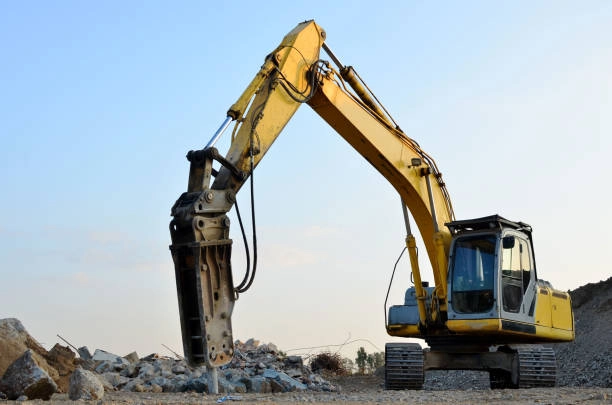
Steel beams, car frames, pipe, plate and rebar bundles all look like “metal cutting work.”
A shear that moves quickly through thin sheet may stall on an I-beam flange. A heavy structural shear may feel slow in a crowded scrap yard. The useful question is whether the attachment can keep cutting without damaging blades or forcing constant machine repositioning.
Which Excavator Attachment Is Best for Cutting Steel Beams and Scrap Metal?
For most steel beams and heavy scrap, a hydraulic scrap shear is the practical choice. It grips, pierces and cuts in one cycle. A rotating model gives the operator better control when material is twisted, stacked or partly buried.
Other attachments support the process. A pulverizer breaks reinforced concrete and exposes rebar. An orange peel grapple sorts loose scrap. A magnet clears small ferrous pieces.
A common mistake is asking one attachment to do everything. A grapple is not a shear, and a crusher is not a structural steel cutter. Cycle time rises and wear appears where it should not.
How Does a Hydraulic Scrap Shear Cut Thick Steel Efficiently?
The tip starts the penetration, the jaws hold the section, and the blades concentrate force along a narrow line. Once the steel begins to yield, the cut progresses quickly.
Jaw geometry and blade clearance matter. Too much clearance bends and tears the material. Too little creates heat and drag. A worn shear may still close normally while cutting performance falls sharply.
Rotation is part of the cutting system. When a beam is trapped between columns or lying across a scrap pile, the operator can turn the jaws into line with the web or flange instead of dragging the whole section.
Which Hydraulic Shear Design Fits Your Material and Jobsite?
The material should drive the design choice. A compact bundle of plate may be harder to cut than a longer piece of lighter structural steel.
Eagle Shears for I-Beams and Large Structural Steel
Eagle style shears suit I-beams, heavy pipe, plate and large structural sections. The pointed jaw enters the material, holds it and helps pull the section toward the main blades.
That geometry is useful during steel frame demolition. The operator can bite into the web, rotate, then work through the flange without repeatedly dropping the beam. On a reach machine, control often matters more than maximum jaw opening.
Kingho Technology’s Eagle Shear fits this type of work. Its role is keeping an awkward section under control while the attachment is repositioned for the next cut. Factory frames and pipe racks are where that design makes sense.
Double Cylinder Shears for Frames and Heavy Mixed Scrap
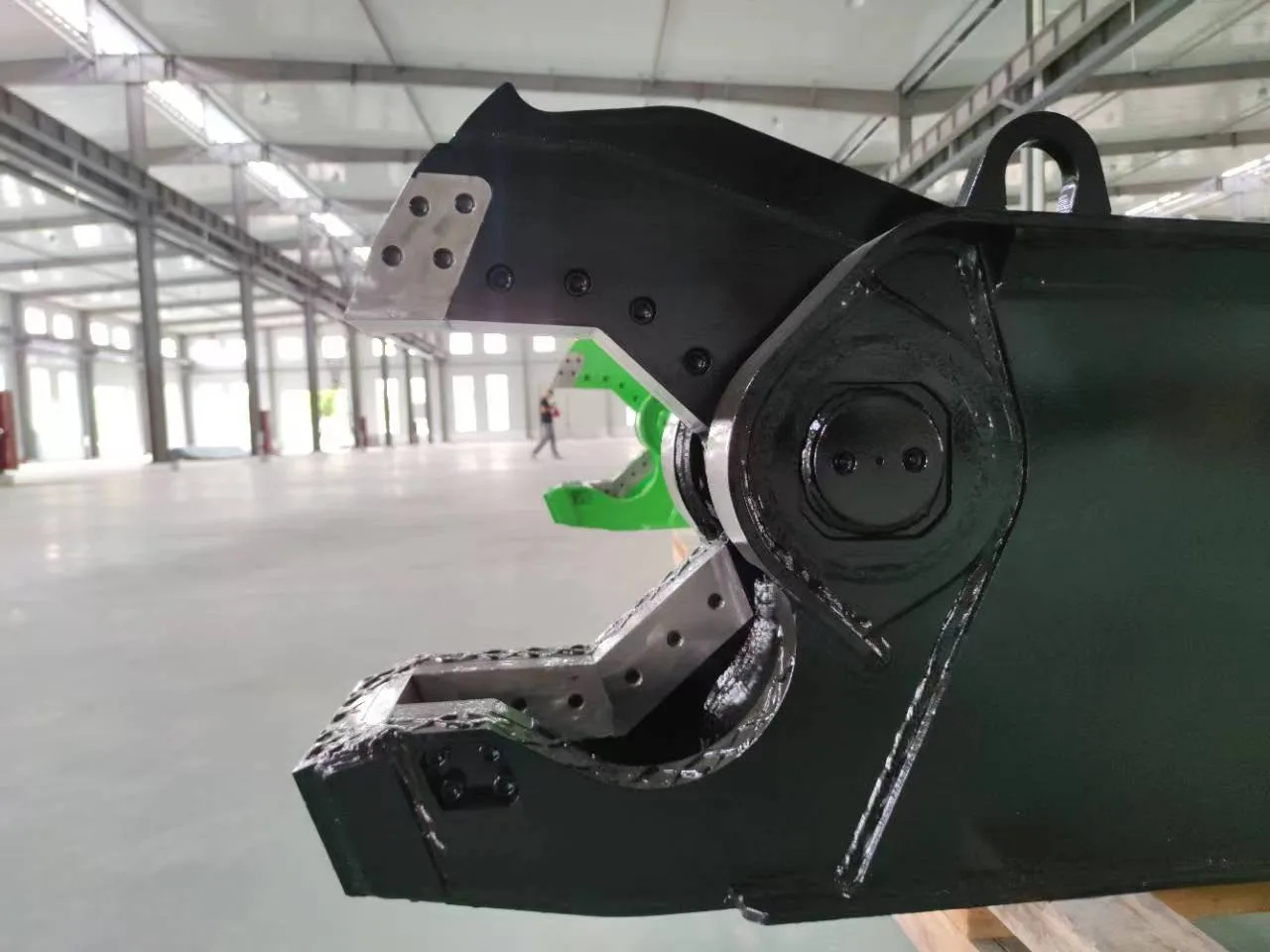
Double cylinder shears suit car bodies, truck frames, fabricated assemblies and mixed scrap with uneven resistance. Force is applied evenly across the jaw structure, which can make repeated cutting feel steadier.
A vehicle dismantling yard is rarely tidy. One cycle may involve thin panel, the next a chassis rail, then a twisted bracket. Kingho Technology’s powerful shear is relevant here because it is intended for frames, vehicle beams and heavy scrap. Its rotating body lets the operator approach from the workable side. That saves handling time, where production often disappears.
When Should Supporting Attachments Be Added?
Supporting attachments matter when cutting is only one stage of the job.
A grapple can turn piles and feed long sections. A magnet recovers small steel pieces. A pulverizer is useful upstream when concrete must be removed before exposed rebar is processed.
On larger sites, two machines often outperform one oversized attachment. One presents and sorts. The other cuts.
How Do You Match a Metal Shear to Your Excavator?
A shear and carrier must be treated as one system. Stability, hydraulic delivery and mounting geometry decide whether the combination works.
Check Excavator Size and Lifting Capacity
Attachment weight changes reach, swing behavior and stability. A shear that feels acceptable close to the tracks may become uncomfortable at full working radius.
The carrier also absorbs repeated shock. Pins, bushings, the stick nose and the coupler all see load. A larger shear is not more productive when the operator must slow down to keep the excavator stable.
Match Hydraulic Pressure and Oil Flow
Pressure creates force. Flow creates speed. Both must sit within the attachment’s operating range.
Low flow causes slow jaw cycles and weak rotation response. Excessive flow creates heat and harsh movement. Incorrect pressure settings may leave the shear short of cutting force or overload hydraulic components.
Actual circuit data should be checked at the machine. Long hose runs, modified plumbing and worn pumps can produce different results from the original specification sheet.
Confirm Mounting and Rotation Requirements
Pin diameter, ear width, center distance and coupler type must match. Hose routing also needs attention. A hose that looks safe in the workshop may fail once the shear rotates under load.
Rotating shears may need separate hydraulic lines or a suitable control arrangement. Before ordering, provide the excavator model, operating weight, pressure, oil flow and coupler dimensions. “Suitable for a 30 ton excavator” is not enough.
Which Features Matter Most for Cutting Performance and Operating Cost?
Replaceable or reversible blades deserve close attention. Blades are wear parts, but poor access, damaged bolt seats and long replacement times create the larger cost.
Jaw opening should match the material handled every day, not the largest piece seen once a year. Cutting depth is often more useful than a headline opening figure.
Wear resistant body sections, protected rotation components and robust pins affect service life. Parts availability matters as well. A low purchase price loses its appeal when the excavator sits idle waiting for a small wear component.
How Can Operators Cut Steel Safely and Avoid Premature Wear?
Steel should be supported before the final cut. A beam can roll, spring or drop when the remaining section lets go, and that movement is not always obvious from the cab.
The jaws should stay aligned with the cut. Using the shear body as a pry bar pushes side load through the pivot and rotation assembly. Twisting an unfinished cut with the rotator is another expensive habit.
Material needs to enter the designed cutting zone. Oversized sections placed too far forward reduce force and increase blade damage. Daily checks should cover blade clearance, loose bolts, pin movement, hose abrasion and oil leakage.
A change in sound is often the earliest warning. When the attachment starts dragging or closing unevenly, stopping for inspection is usually cheaper than finishing the shift.
What Common Questions Do Buyers Ask About Excavator Metal Cutting Attachments?
Q: Can One Hydraulic Shear Cut Beams, Car Frames and Rebar?
Yes, within limits. A heavy shear may handle all three, but performance changes with section thickness, shape and steel grade. Rebar bundles may spread or twist instead of entering the blades cleanly.
Q: Is a Rotating Shear Worth the Additional Cost?
On structural demolition, vehicle dismantling and tight scrap yards, usually yes. Rotation reduces machine repositioning and keeps the jaws aligned. On ground level processing with material fed from one direction, the benefit may be smaller.
Q: Can a Pulverizer Replace a Scrap Shear?
Not for regular steel cutting. A pulverizer is designed to crush concrete and separate reinforcement. It may deform light metal, but it does not replace a dedicated scrap shear on beams, frames and heavy sections.
Conclusion
The workable setup becomes clearer once the material and carrier are studied together. Large structural sections point toward an eagle style shear. Frames and mixed heavy scrap often suit a double cylinder design. Kingho Technology can be considered in those categories, but the decision should begin with excavator data and steel profile.