
Best Excavator Pile Hammer for Solar Farm Installation
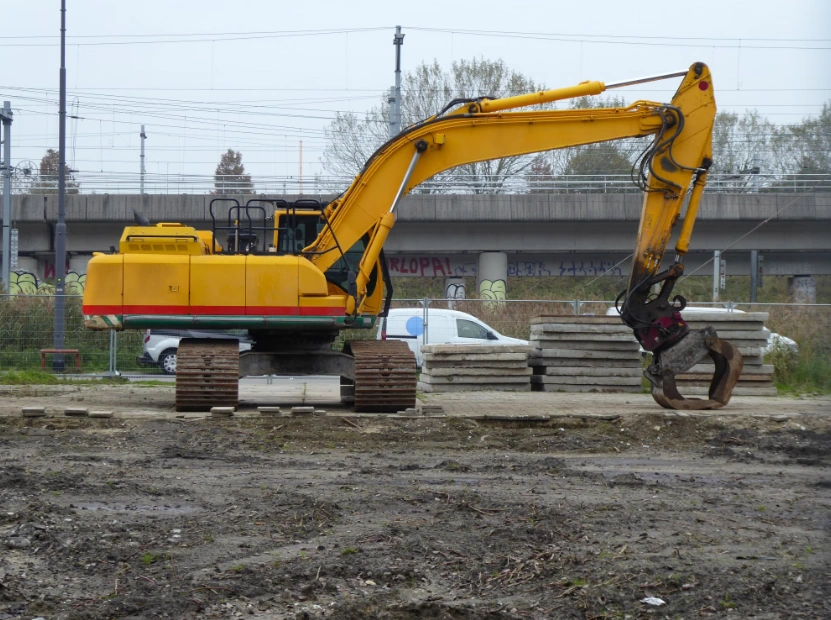
Solar farms depend on solid foundations. Without properly driven piles, even the best photovoltaic panels can shift or misalign under wind load or soil movement. The excavator pile hammer has become a central tool for ensuring that doesn’t happen.
Why Are Pile Hammers Essential for Solar Projects?
Pile foundations provide firm support for solar structures. Every single pile holds up a part of the panel frame. Workers place thousands of these across bumpy land. Therefore, exact placement is highly important. A solar pile driver or an excavator-mounted hammer makes the work go faster. These tools mix easy movement with steady power.
Big jobs might cover hundreds of acres for a 100 MW solar farm. Better speed on these large sites cuts down setup time. It also drops the overall project costs. Good pile driving creates tough and perfectly straight setups. Crews must drive the posts to the exact same depth and angle. This careful work helps the whole frame fight against seasonal dirt movement.
How Does an Excavator Pile Hammer Work in Solar Applications?
An excavator pile hammer changes hydraulic power from the base machine into strong hitting force. This heavy impact pushes the piles deep into the dirt. The tool relies on pressurized oil to shift its inside pistons. These pistons strike the top of the pile over and over. This setup lets workers manage the hit strength and the final depth very closely. Such exact control is vital. Sites often have many different dirt types in one area.
Newer models work well with many different materials. They easily drive steel H-beams for the main base. They also handle aluminum posts for smaller panel groups. Sometimes, builders use composite piles to stop rust. Steady, even work matters more than raw power in solar jobs. Each hit must match the planned limits. This care keeps the panel rows totally straight. It also makes sure the holding rails fit together without a flaw.
Key Features to Consider When Choosing a Solar Farm Pile Hammer
Different hammers give different results on actual job sites. Certain models fit specific excavators much better than others. Meanwhile, some tools do a great job in special kinds of dirt.
What Makes a Good Excavator Pile Hammer for Solar Projects?
Matching the equipment is the first big step. The hydraulic flow rate and pressure limits must fit the base machine. The mounting style needs to match the on-site excavator perfectly. Workers need to change the hit speed and power easily. These settings let the crew handle new dirt types fast. They do not have to switch out their tools. A design with low shaking is also very helpful. It keeps the machine parts safe from damage. It also keeps the driver comfortable during long work days.
A top-quality solar farm pile hammer mixes strong force with careful touch. Too much power can bend thin metal posts. On the other hand, too little force wastes valuable time and gas. The best tools use clever hydraulic controls. These systems change the power output on their own.
Comparing Hydraulic vs. Vibratory Pile Hammers
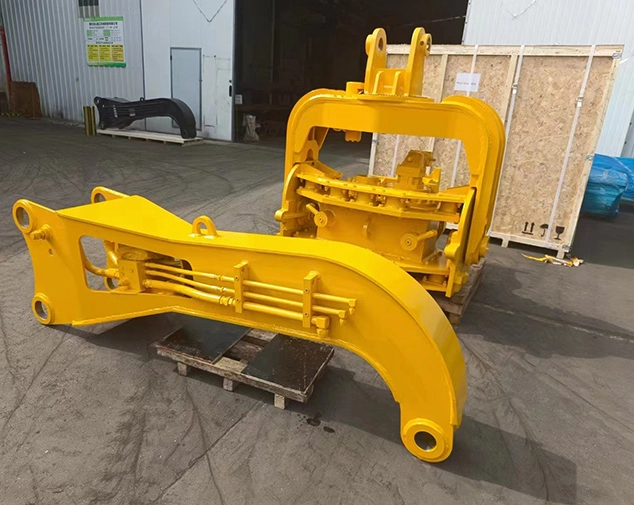
Hydraulic hammers use direct hitting power. This style is perfect for thick clay or rocky dirt. Pushing through these hard layers takes very strong hits. Vibratory hammers work differently. They use a fast shaking motion to lower the rubbing between the post and the dirt. This shaking lets the pile go in much faster. It is a great choice for sandy or soft ground.
Picking the right tool depends on the soil test results. Hard underground dirt needs hydraulic models. Soft upper dirt usually works better with vibratory systems. The shaking tools move less dirt around. They also keep the job site much quieter.
Maximizing Project Efficiency with the Right Equipment Setup
Matching hammer type to excavator capacity determines how smoothly operations run day after day.
How to Match the Right Hammer to Your Excavator?
The weight of the excavator tells you the best hammer size to use. The hydraulic flow and pressure must match up well. This pairing brings out the best results. It also stops the fluid lines from taking on too much stress. Experts look at the pile width and total length before buying. They also check the expected dirt pushback. They find this data from test holes or early trial runs.
A mismatch can lead to overheating hydraulics or insufficient penetration depth—both costly mistakes when thousands of foundations are involved.
Best Practices for On-site Operation and Maintenance
Regular checks keep the machines running well. Workers must look at the hoses, seals, and connection points. All these parts must hold the fluid without any drips. Good greasing stops the inside pistons from wearing down. It also prevents the tool from getting too hot during heavy daily tasks. Operators often check alignment guides daily since even minor deviations can accumulate across hundreds of rows.
Downtime is expensive in solar construction schedules measured in megawatts per month; preventive maintenance pays off quickly.
Kingho Technology’s Excavator Pile Hammer Solutions
Kingho Technology focuses on practical design improvements tailored for renewable construction demands. Its excavator pile hammer series features a compact structure that simplifies transport between dispersed project sites—a real advantage for contractors handling multiple small-scale farms simultaneously. An enhanced hydraulic control system ensures stable operation even under fluctuating oil temperatures common in long summer shifts.
Core Advantages
Durability and Reliability
Each unit is built from high-strength alloys designed for continuous heavy-duty use across months of operation without significant wear. Advanced sealing systems extend service life by reducing maintenance intervals—a detail appreciated by field teams working far from service centers.
Precision and Efficiency in Operation
Energy output is finely tuned so piles enter smoothly without deformation at the head or bending along their length. Optimized vibration damping mechanisms help maintain alignment accuracy across long array lines—a subtle but crucial factor when panel tracking systems depend on millimeter-level consistency.
The Future of Solar Farm Construction Equipment
The pace of renewable expansion demands faster installation cycles than ever before.
Trends Driving Demand for Efficient Pile Driving Solutions
Global solar capacity additions continue rising annually, pushing contractors toward automation-ready tools that minimize manual correction work after installation. Smart control systems capable of recording strike counts and penetration depth data now feed directly into project quality reports—a step toward fully digital construction management.
Automation doesn’t replace skilled operators but augments them with repeatable precision—vital as projects scale up beyond traditional manpower limits.
How Kingho Technology Supports Sustainable Energy Development
Kingho Technology keeps finding new ways to build better hydraulic tools. The brand makes equipment that follows green building ideas. These tools use power well and leak less dirty oil. The machine parts also last much longer. All these tiny steps create a huge impact across thousands of global job sites. The company knows that green living is not just about making clean power. It is also about using clean methods to build the power plants.
FAQ
Q1: What is an excavator pile hammer used for in solar farms?
It drives foundation piles into the ground to support panel structures securely across varying soil conditions.
Q2: How does a solar pile driver differ from other piling equipment?
It’s typically lighter, more mobile, and optimized for repetitive shallow-depth installations common in photovoltaic projects.
Q3: Can one hammer type handle all soil types?
No; hydraulic hammers suit dense soils while vibratory models perform better in loose sands or silts.
Q4: Why choose Kingho Technology’s equipment?
Its compact design, advanced hydraulics, and durability make it well-suited for high-volume renewable installations requiring reliability over speed alone.