
Excavator Attachment Compatibility: How to Match Tools with Machine Size
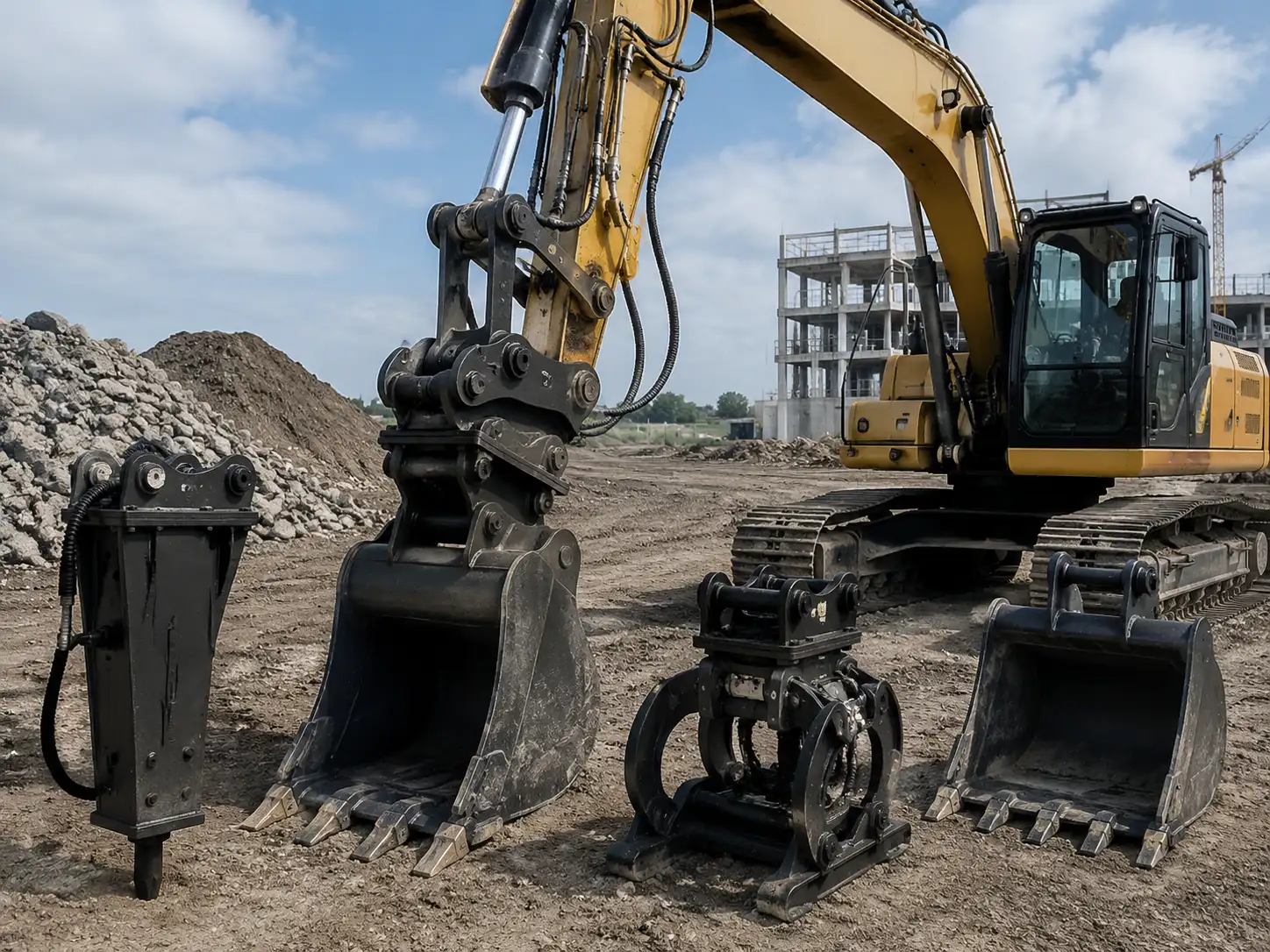
Picking the right excavator attachment for your machine is not just about ease of use. It is the real secret to smooth work and avoiding expensive downtime. When the hydraulic and physical traits of a tool fit the excavator’s size, you enjoy better control and higher output. Many operators find that even tiny errors in weight or oil flow lead to weak digging force. These issues can also make the machine feel shaky. Success comes down to knowing how the machine class, hydraulic power, and coupler setup work together.
Why Matching Attachments with Machine Size Matters
A well-chosen excavator attachment lets the machine run at its best without feeling too much stress. Proper fitment keeps the tool and the carrier safe for a long time. If a tool is too heavy or needs more oil than the machine can give, the whole system suffers. This often leads to overheating or low pressure. In the worst cases, it can even break the pumps and seals.
In contrast, using a tool that is too small for the job wastes the machine’s energy. Your excavator’s power is not fully used, which causes low efficiency. Physical stress is another big worry when the balance is off. The boom arms might bend too much, or the pins could wear out fast. Knowing how the weight of the excavator relates to the tool helps you avoid these common traps.
Key Factors That Influence Compatibility
A few technical points decide if a tool will work well on your excavator:
- Operating weight and hydraulic flow:You must check the machine’s weight class and its auxiliary oil flow. These numbers show which tools can actually do the work.
- Boom and arm geometry:The shape and length of the boom change how much force the machine can apply. This also affects how steady the machine stays while lifting.
- Coupler type:Quick couplers make it fast to swap tools. However, they must fit the pin size and mounting gaps of your specific machine brand.
Evaluating Excavator Size Classes for Attachment Selection
Picking tools by size class helps you get the best results. It also prevents you from pushing machine parts too hard.
Compact and Mini Excavators (0–10 tons)
Small units are perfect for tight spots like city streets or garden projects. They work best with lighter tools such as mini breakers, small augers, or tiny grapples. In these jobs, operators care more about being careful than having huge power. A correctly sized mini excavator attachment keeps the machine easy to move while digging accurately.
Medium Excavators (10–30 tons)
This group includes the standard machines found on most building sites. Medium excavators handle demo work and digging for foundations with ease. They can carry many tools like crushers, shears, and heavy buckets. At this size, matching the oil flow is very important. This is because many tools need extra circuits for turning or opening their jaws.
Large Excavators (30 tons and above)
Big machines are the stars of heavy demolition and mining. They need very high oil flow to run large pulverizers or pile hammers correctly. Checking the weight balance is vital here. Even a small mistake in size can make the machine unstable during deep digging or heavy lifting.
Hydraulic System Considerations for Attachment Matching
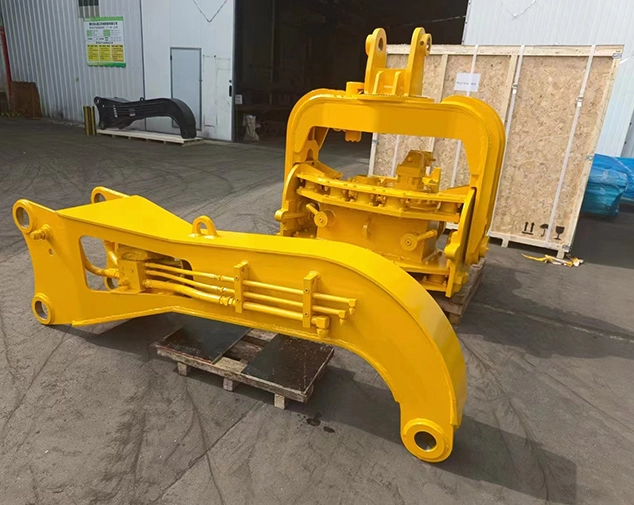
The hydraulic system is the heart of every excavator attachment. Making sure the pressure and flow match the tool prevents damage and keeps the work steady.
Flow Rate and Pressure Requirements
Every tool has its own need for oil flow, measured in liters per minute (L/min). If your machine provides too little, the tool will act slow. If it provides too much, the seals might break. The safest path is to look at the maker’s data sheets before you start. This confirms that the pump output fits what the tool needs.
Auxiliary Circuit Setup and Control Options
Newer excavators often have extra circuits to do several things at once, like spinning and tilting. Some tools need very precise controls for small movements. This is common for rotating grapples used in careful demo work. Quick couplers make changing tools faster, but you might need extra parts to fit different brands.
Practical Steps to Ensure Proper Attachment Fitment
Even if the numbers look right on paper, you should still check the fit by hand before starting a big job.
Checking Coupler Compatibility and Mounting Dimensions
Always check the pin size and the distance between the pins. You also need to measure the width between the mounting ears. While some couplers are “universal,” you might still need an adapter plate if the hole patterns do not line up perfectly.
Weight Balance and Stability Testing
After you put the tool on, try some test lifts at different angles. This helps you see if the machine stays steady under a load. If the excavator tips forward or feels slow when turning, you may need to check the counterweight or use a lighter tool.
How Kingho Technology Supports Attachment Compatibility Needs
Once you know the technical side, you need a partner who builds tools to high standards. This is where Kingho Technology stands out with its focus on precise engineering.
Customized Solutions for Different Excavator Models
Kingho Technology makes attachments that fit many global brands and every machine size. Their engineers look at the hydraulic specs of each model first. Then, they suggest tools that give you the best power and lasting strength.
Quality Assurance in Manufacturing Precision Attachments
Every product from Kingho Technology goes through tough tests. They check for strength, balance, and oil efficiency before shipping. Their range includes breakers, grapples, shears, and pile drivers. Each one is built to fit the right machine class based on weight and oil flow needs.
Expert Consultation for Buyers Worldwide
The specialists at Kingho Technology help customers from the moment they choose a tool until it is installed. They help you look at your job site, like how hard the ground is, to find the best fit. Their team also gives tips on how to keep the tools running for a long time.
FAQs
Q1: How do I know if my excavator can handle a specific attachment?
Look at your manual for the machine’s weight and oil flow. Then, see if those numbers match what the tool maker asks for.
Q2: What happens if I use an oversized excavator attachment?
It can put too much stress on the hydraulics or make the machine tip over. This leads to fast wear or dangerous accidents.
Q3: Are universal couplers truly compatible across brands?
They help a lot, but you often need extra plates because the pin gaps change between different brands.
Q4: Why does hydraulic flow matter so much?
Flow sets the speed of the tool. If it is wrong, the tool will be slow or the hoses will get too hot.
Q5: Can software controls improve attachment performance?
Yes. Machines with smart systems let you change the pressure for each tool right from the seat.