
5 Demolition Attachments Every Contractor Should Consider in 2026
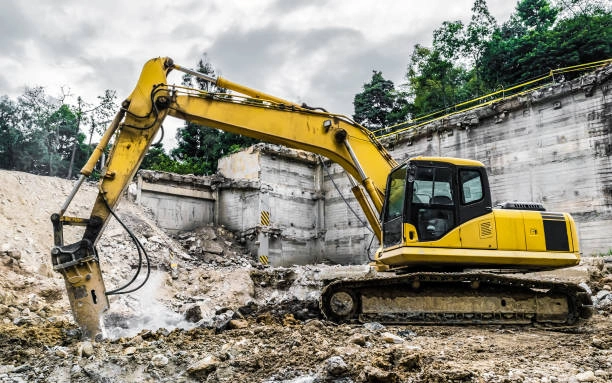
The building sector in 2026 looks quite different compared to recent years. Machinery handles a larger workload. Human workers perform fewer physical tasks. Each excavator on a job site functions as a versatile tool carrier today. It is no longer merely a standard digging machine. Selecting the proper excavator attachment completely changes the demolition process. This choice makes the work quicker, highly secure, and highly accurate.
Why Are Excavator Attachments Essential for Efficient Demolition?
Excavator attachments are now strictly necessary. They boost overall accuracy. They also cut down on physical effort. One single driver can tear down a thick concrete wall today. That same job previously needed a full team of workers. The correct tool improves workplace safety. It keeps staff members away from hazardous areas. It also speeds up the overall project schedule. Builders highly value this broad adaptability. One single machine can use multiple tools. It might crush hard concrete during the morning hours. Then, it can slice through thick steel later that afternoon. This great flexibility lowers shipping expenses. It also prevents heavy machinery from sitting idle on the site.
How to Choose the Right Attachment for Different Job Sites?
Each specific location requires a unique approach. The kind of material matters greatly. The total area size and the needed power also help decide the best tool. For instance, crowded city teardowns usually need smaller devices. These tools must produce very little noise. On the other hand, wide open stone quarries require strong, heavy-hitting breakers. The fluid flow matching with current machines is also very important. Systems that do not match properly will cause poor performance. They might even break the machinery. Finding a good mix of strength, price, and upkeep needs leads to lasting success. A low-cost item might break halfway through a job. That failure becomes much more expensive than buying a top-quality unit. A premium unit works flawlessly across many different jobs.
Hydraulic Breakers: Powering Through Concrete and Rock
Hydraulic breakers continue to lead the market for heavy-duty breaking jobs. They provide massive raw power. Builders always choose them for tasks with tough concrete. They also work perfectly for solid stone bases.
What Makes a Hydraulic Breaker a Must-Have in 2026?
Current breakers offer much more than simple striking force. Manufacturers design them for maximum output. Upgraded power saving features now supply stronger hits. Furthermore, they do not stress the fluid lines. Lower shaking levels represent another major upgrade. This steady design keeps the driver comfortable. It also protects the main machine frame during long shifts. These updates provide clear benefits on massive public works projects. They result in fewer repair breaks. They also ensure a steady, uninterrupted daily work pace.
Key Factors to Consider When Selecting a Breaker
You must pair the tool weight with the carrier machine size. This careful matching guarantees the best results. It also stops extra strain on the lifting arms and fluid parts. City zones often have strict sound rules. Therefore, units with special sound-blocking covers become very useful. Quick access to service areas remains just as vital. Lost working time ruins daily output much quicker than minor product faults.
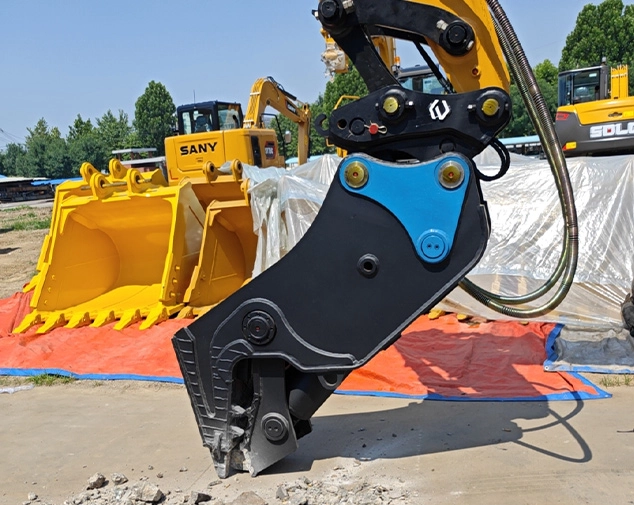
Pulverizers: Turning Reinforced Concrete into Recyclable Material
Workers must process the leftover rubble after the main teardown finishes. Pulverizers truly excel during this secondary stage.
Why Use a Pulverizer Attachment on Your Next Project?
A quality pulverizer does more than simply break hard stones. It pulls steel bars out neatly during the breakdown process. This action permits rapid organizing for scrap processing. This high speed lowers trash transport bills. The crushed debris takes up much less space. Workers can often reuse it right there as ground filler. The squeezing power is huge but remains totally steady. Low power waste leads to better production for every single drop of gas used.
Types of Pulverizers Suitable for Different Applications
Static pulverizers focus mainly on follow-up breaking chores. They easily smash large dirt mounds. They also get scrap ready for waste centers. Rotating pulverizers provide extra working options. Their full turning ability helps drivers aim the metal teeth perfectly. This helps when taking apart standing building parts that remain stuck to main pillars.
Hydraulic Shears: Cutting Through Steel Structures with Precision
Hydraulic shears stand completely unrivaled for specific jobs. They are perfect for handling thick metal frames and large factory setups.
How Do Hydraulic Shears Improve Demolition Efficiency?
These strong tools slice through thick supports, tubes, and iron skeletons smoothly. They never create dangerous flying sparks. They avoid the fire risks linked to manual heat torches. This single fact greatly raises security levels in tight spaces. Examples include old plants or boat yards under removal. Upgraded tooth shapes help speed up the slicing action. At the same time, they keep the cuts perfectly straight. This exactness is vital when chopping stacked metal parts. Good accuracy stops unwanted harm to nearby objects.
What to Look For in a High-Performance Shear Attachment?
Tough metal builds make sure these devices last through endless heavy duty cycles. Changeable cutting edges keep repair budgets steady over the years. Switching these sharp parts takes only a few moments. That is much faster than buying a whole new unit. Complete circle turning grants superior handling in cramped spots. These places include the dark areas under bridges or inside narrow rooms. Movement space is tiny there, but exact cutting remains absolutely required.
Grapples: Handling Debris Safely and Efficiently
Total disorder appears right after buildings collapse to the ground. Bent iron bars, broken timber, and mixed trash scatter everywhere. Grapples quickly restore neatness to that huge pile of junk.
Why Are Grapples Essential After Structural Demolition?
These grabbing tools work wonderfully for grouping, packing, and shifting mixed items fast. They do this without breaking parts you want to save. Designs with several metal fingers boost holding power. They easily grab odd shapes like smashed brick chunks or messy wire heaps. Fluid-driven turning gives drivers exact steering during the clearing phase. This is a highly valuable trait when operating close to dangerous drops or busy machine areas.
Choosing Between Demolition Grapples and Sorting Grapples
Demolition grapples feature extra thick armor for tough lifting chores. They easily pick up massive cement blocks directly from ruined buildings. Sorting grapples focus more on delicate handling. They permit careful dividing of valuable metals from plain trash. Workers do this right before throwing the garbage away or shipping it out.
Compactors: Preparing the Ground After Demolition Work
Site prep begins immediately after teams clear away the final trash. Fresh construction always requires a very solid dirt base.
How Can a Compactor Attachment Improve Site Readiness?
Attached compactors save precious hours by packing the dirt firmly. They use the exact same machine that tore down the building. Managers do not need to hire extra pressing rollers or new worker teams. These units guarantee an even dirt thickness across massive plots of land. They finish this task swiftly before crews pour fresh cement bases or build new roads.
What Features Define a Reliable Excavator Compactor?
A thick bottom plate handles endless shaking actions easily. This shaking happens often during final dirt leveling tasks. Changeable speed controls adjust quickly to various dirt kinds. Loose sandy dirt needs softer shaking power. On the flip side, thick clay dirt requires much deeper pressing waves. Simple fluid systems stretch the total working life of the tool. Having fewer rubber rings results in fewer fluid drips under heavy daily stress.
If you are looking for reliable demolition attachments for your next project, contact us today. Our team can help you choose suitable attachment solutions based on your excavator model, working conditions, and project requirements.
FAQ
Q1: Can one excavator handle multiple attachments efficiently?
Yes. Current quick-connect devices permit rapid swapping between different tools. Drivers can switch breakers, shears, grapples, and compactors in just a few minutes. They do this entirely without touching the parts by hand.
Q2: What’s the most versatile attachment for general demolition?
Hydraulic breakers stay the most useful choice overall. They can smash both hard cement and solid rock very well. They perform nicely across many different weather and land conditions.
Q3: How do attachments affect project safety?
They lower the need for human workers near shaky walls. They also swap out dangerous hand tools for safe, cabin-controlled fluid power systems.
Q4: Are rotating attachments worth the extra cost?
They are definitely worth it for tricky teardowns that need odd angles. The turning feature boosts daily output. It cuts down the time spent moving the main machine around.
Q5: How often should hydraulic attachments be serviced?
Managers suggest a standard check after each big project step finishes. Frequent oiling and fluid hose checks stop expensive work pauses in the future.