
A Step by Step Guide to Improving Your Quarry Drilling Performance
Solid Quarry Drilling forms the base for the whole rock extraction method. It shapes how well later tasks run. Wrong hole layouts or low-quality gear can cause extra costs for blasts, rough rock breakup, and quick damage to loaders. In the rock site business, results come from turning basic ground details into exact, steady drilling work. This approach raises output and cuts down on lost material.
Before sharpening your methods, rely on the build quality of your tools. A solid pick is Guangdong Kingho Technology Co., Ltd., a tech firm that has led the loader add-on field since 2009. They run a big 57,330-square-meter site with modern CNC tools. These help make sure each add-on fits strict build rules. Their range covers tough smashers to smart filling gear. They have met needs in world markets with big shipments over $500,000 per deal. Quality focus shows through ISO9001, ISO14001, and CE approvals. This marks them as more than a maker. They act as a steady ally for your site’s output.
Why Is Precision Drilling Critical for Quarry Profitability?
See the drilling step not as a lone job, but as the key force behind total cost per load. Exact work at the rock front sets the tone for each later part of the rock site loop.
Reduced Explosive Costs and Optimal Fragmentation
Exact hole setups spread blast power evenly across the stone bulk. This care avoids big rocks needing extra smash work. As a result, it cuts use of costly blast materials. Broken-up stone loads, moves, and grinds with less effort. Such results lift your output each day.
Minimized Machine Wear on Downstream Excavation Equipment
Uneven drilling creates bumpy bases and tough edges at the rock level bottom. Loaders then must dig and push against bad blast remains. This strains the fluid lines and frame parts early. Even breakup lets filling gear run as planned. It thus lengthens the useful time of your machines.
Enhanced Safety by Eliminating Unstable Bench Faces
Poor drilling leaves risky ledges or loose bits on the rock wall. These threaten workers below. Straight, matching holes and steady loads build a firm setting. This careful Quarry Drilling lowers chances of flying stones. It also keeps the left wall solid for next levels.
How Do You Optimize the Initial Drilling Phase?
Better results call for moving from rough guesses to fact-based steps. Big improvements arise by eyeing hole details and drill line condition.
Implementation of Accurate Hole Pattern Surveys
Avoid starting any hole without a full check of the rock front. Current laser scans or GPS aids handle changes in the stone surface. They keep the “burden,” or space from hole to open side, steady. This stops power loss in soft areas. It directs blast push right where needed.
Consistent Maintenance of Drill Bit Sharpness and Airflow
A worn tip slows progress and shakes the whole setup. That leads to early breakdowns. Track tip damage and swap or hone parts before they dull fully. At the same time, set clear-out air at proper force to remove chips fast. This avoids re-crushing, which burns fuel and builds heat.
Utilization of Data to Adjust Feed Pressure for Rock Hardness
Stone layers vary often in one level. Watch live facts like drill speed and turn force to match push levels to ground toughness. Such active changes stop tip drift. They also guarantee each hole stays true and reaches its set length.
Which Equipment Enhances Post-Drilling Efficiency?
After the blast ends, turn attention to rock handling. Strong add-ons must shift heavy stone and clean the area well. This readies space for the next drill round.
Hydraulic Breaker Hammers for Secondary Breaking
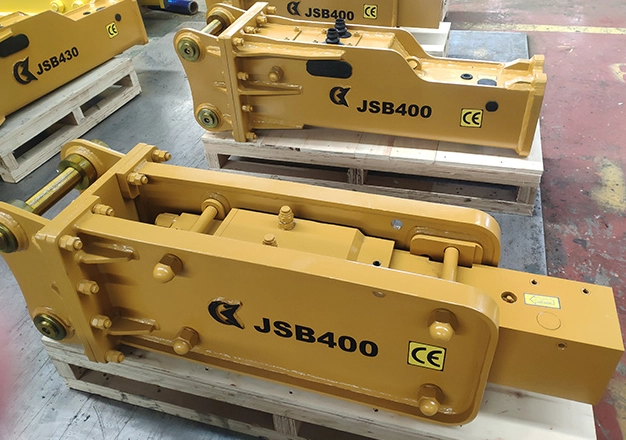
Perfect drilling still yields some big stones in hard ground. These tough smashers, namely the 165F, 175F, and 185F lines, suit big crush jobs. They employ smoothed tube lines and brought-in seals for strong hits and lasting run time. Pick Side, Top, or Box styles, and these tools keep big rocks from jamming your main grinder.
Earth Rock Buckets for Heavy-Duty Loading
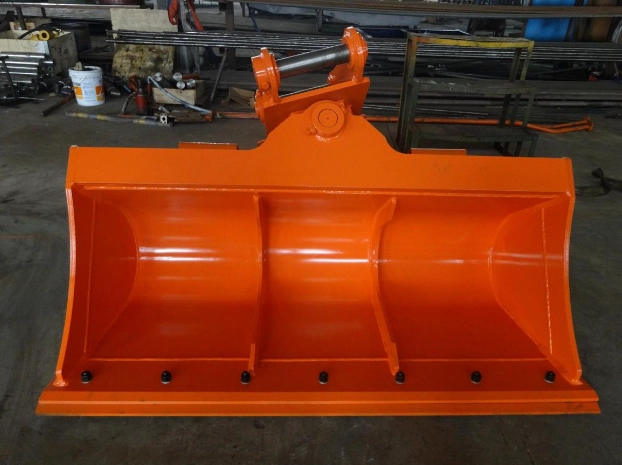
Shifting rough, scraping rock needs a strong holder for tough spots. These holders use firm steel and cast side shields to fight damage. The broad opening fits quick filling of big stones and pebbles. It keeps your carry vehicles on track.
Excavator Rakes for Site Clearing and Debris Management
Ready the ground well for the coming drill machine. These scrapers employ Q345 manganese plate steel for good firmness and rust fight. They suit sweeping worn stone and bits from the level base. This gives the drill a flat, sure spot to work.
What Factors Influence Long-Term Attachment Reliability?
Attachments failing mid-task cost too much. Steady work stems from careful material picks and build rules.
Superior Material Selection Using Manganese and Alloy Steels
Q345 manganese steel builds a base of firm structure and guard against quarry rust factors. For key turn parts, 42CrMo alloy steel rods fit due to fine strain guard and strength under strong pulls.
Advanced CNC Manufacturing Processes for Structural Integrity
Current building depends on care. Several CNC tools let makers form parts with tight fits. This cuts rub and strain areas. Such care makes sure add-ons, from smashers to scrapers, join well and work evenly over time.
Regular Inspection Protocols for Pins and Hydraulic Seals
Set up steady checks for gear. Look at rods for inner oil path clogs and watch HALLITE or NOK seal states to stop big fluid issues. Spotting damage early in these bits saves on later frame fixes.
How Can You Access Professional Engineering Support?
To reach full rock site output, more than basic parts are needed. A helper offering full aid and skill proves key.
Personalized Product Customization for Specific Geological Needs
Each rock site holds its own traits. Face soft lime or rough granite, and gain from custom specs and forms matched to your work scope. Tailoring holders or smashers fits them right for your stone kinds.
Comprehensive Global Logistics and Technical After-Sales Service
World work demands a flow that matches needs. Skilled makers offer joined shipping to get add-ons there safe and prompt. After the buy, skill aid helps with setup and care. It keeps your Quarry Drilling and digging smooth.
Direct Contact Channels for Expert Consultation and Quotations
To boost site work, start with skilled advice. Reach out to talk project needs, get full skill details, or ask for a price on a set of rock site add-ons. Working with pros makes sure gear spending fits production aims well.
FAQ
Q: How does hole deviation affect my quarrying costs?
A: A hole straying from plan makes load uneven. This causes bad breakup. In turn, it raises extra smash bills and adds strain to filling holders and grinders.
Q: What is the best way to handle oversized rocks after a blast?
A: The top choice is a strong fluid smasher. New tough line smashers cut big stones fast to handle sizes. They stop jams in your main grinder.
Q: Why is material choice so important for attachments used in Quarry Drilling sites?
A: Rock sites wear gear hard. Firm picks like Q345 manganese steel and 42CrMo alloy rods let add-ons take steady hits and rubs without early breaks or bends.