
How to Choose a Hydraulic Breaker Hammer for Mining and Demolition Projects
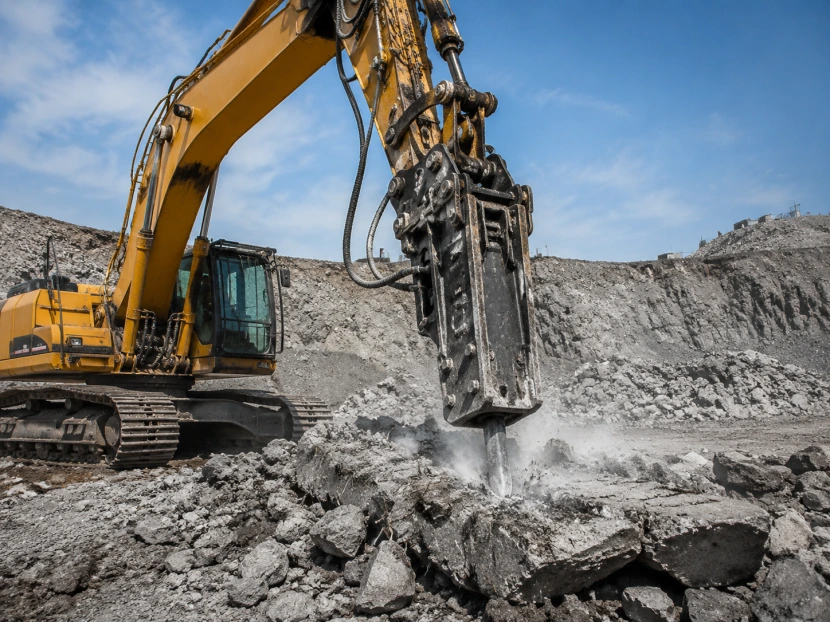 Hydraulic breaker hammers are key tools across mining and demolition industries. They turn hydraulic energy from an excavator into mechanical impact force. This force is strong enough to break rock, reinforced concrete, or other dense materials. They add more uses to the machine, from digging to exact breaking jobs. Good selection does more than raise output. It also cuts stress on the hydraulic system and lowers wear on parts.
Why Choosing the Right Breaker Matters
Picking a breaker that does not fit wastes energy. It also puts extra strain on both the tool and the carrier machine. A hammer that is too heavy can overload boom arms and harm seals. One that is too light will not do well on hard rock. It affects fuel use, how often you need repairs, and even how the project timeline goes. A well matched hydraulic breaker hammer attachment keeps machines running longer between checks. It helps crews finish on time with fewer stops.
Key Factors to Consider When Selecting a Hydraulic Breaker Hammer
Once you know how breakers work, the next step is to match them with your gear and site needs. Each point, from size to how hard the material is, shapes how well the tool performs.
Matching Breaker Size with Excavator Capacity
Every excavator model has its own limits for hydraulic flow in L/min and pressure in bar. The breaker must stay inside those limits for steady work.
|
Excavator Class |
Recommended Breaker Weight (kg) |
Flow Range (L/min) |
Pressure Range (bar) |
|
8–15 tons |
500–900 |
60–120 |
120–150 |
|
16–25 tons |
1000–1800 |
120–180 |
150–170 |
|
26–35 tons |
2000–3000 |
180–220 |
160–180 |
|
36+ tons |
3000+ |
220+ |
170–200 |
Breakers that are too big put too much load on the booms. Ones that are too small lose power.
Understanding Impact Energy and Frequency Requirements
Impact energy shows how hard each blow lands. Frequency shows how many blows happen each minute. High-energy models work well for main rock breaking or removing reinforced concrete.
High-frequency breakers do better at secondary breaking where speed counts more than force. Balancing these two points stops waste. Too much energy uses extra fuel. Too little slows the job.
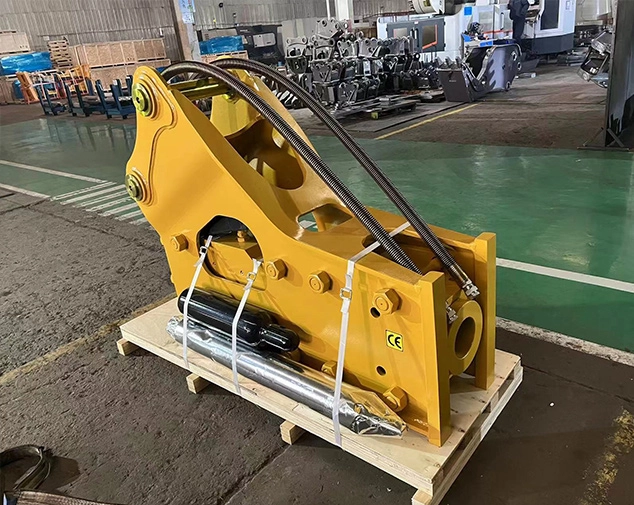
Evaluating Working Conditions and Material Hardness
Not every site is the same. Mining jobs often deal with rough materials. These need parts that handle heat and long run times. Demolition jobs need more give. Teams may switch between brick, rebar concrete, or asphalt in one day.
Very hot or cold weather changes oil thickness. Dust gets into seals and shortens their life. Vibration affects how comfortable the operator feels. When you pick a hydraulic breaker hammer attachment, treat these outside factors as important as the specs.
Technical Specifications That Influence Performance
Good technical fit between carrier and breaker decides long-term reliability more than anything else.
Hydraulic Flow and Pressure Compatibility
Each breaker works inside a set flow range. This keeps piston speed and cooling right. Too much flow makes oil overheat. Too little flow cuts impact force fast. Check excavator settings often. This keeps performance steady when different carriers share the same attachment.
Tool Diameter and Piston Design Considerations
Tool diameter links straight to strike force. A bigger diameter sends more energy per hit. But big tools can be hard to use in tight spots like basements or trench walls. New piston designs aim to move energy forward while cutting recoil back to the boom. This helps both safety and machine life.
Noise Reduction and Vibration Control Features
Rules around building sites now push for lower noise near cities. Many hammers use dampening housings to soak up shock before it reaches the carrier. Low-vibration builds protect operators from tiredness. They also help bearings last longer in the whole hydraulic system.
Maintenance, Durability, and Cost Efficiency Factors
Even the best breakers need steady care to keep their rated output. You also check nitrogen gas pressure in accumulators. Tool retainers must stay tight under load. Both are common reasons for stops during heavy work.
Material Quality and Wear Resistance of Components
Long life depends on the steel quality. Hardened alloy steel holds shape under repeated hits. It also fights wear from rock or rebar. Replaceable wear plates around the lower housing let you fix things fast without full teardown. Many top makers use this approach to cut repair time.
Total Cost of Ownership Considerations
The price tag alone does not show the full picture. Long-term costs cover spare parts supply, grease needs, fuel use differences, and service gaps based on how hard you run the tool. Buying from a steady brand like Kingho Technology usually gives better value.
Application-Specific Recommendations for Mining vs Demolition Projects
Different jobs place different loads on hydraulic breakers. Knowing these differences helps you pick gear made for the task instead of a middle choice that may not fit either side well.
Hydraulic Breakers for Mining Operations
Mining work puts endurance first. Long rock-breaking runs need strong housing to keep dust out. They also need good cooling around the impact area to handle heat from long runs. Heavier models made for quarries give steady power. They suit basalt or iron ore zones where every hour of stop time means lost output.
Hydraulic Breakers for Demolition Projects
City demolition puts ease of movement first. Lighter breakers that fit many carriers let teams swap machines fast when space is tight around buildings or bridges. Adjustable power lets operators change hit strength when they move from thick beams to thinner walls near pipes or wires. Noise stays within city rules at the same time.
How Kingho Technology Supports Your Equipment Selection Process
When you look at suppliers for key attachments like hydraulic breaker hammers, support matters as much as the hardware. This is especially true when projects run across different ground or weather around the world.
Kingho Technology builds high-performance hydraulic breaker hammer attachments for mining, construction, recycling, and city work. You can ask for custom builds. This includes tool length changes for different trench depths or steel types that handle cold weather better. Our team tests every model hard against world quality standards. This keeps performance steady under tough field conditions.
FAQs
Q1: What size hydraulic breaker hammer should I use for my excavator?
Match the hammer’s operating weight with your excavator’s tonnage class. Make sure its flow rate fits inside the machine’s hydraulic range as the maker lists it.
Q2: How do I know if my breaker is delivering optimal impact energy?
Watch how fast the tool sinks per hit. If speed drops even when pressure looks right, check the nitrogen level. Also look at tool wear, as both can cut efficiency.
Q3: Can one hydraulic breaker handle both mining and demolition work?
Mid-range models with power settings can do both in some cases. Still, units made for one job usually work better than a shared choice.
Q4: What maintenance schedule is recommended for heavy-use breakers?
Do a quick look each day. Check grease levels each week. Full checks that include seal swaps usually happen every 600–800 hours. The exact gap depends on how hard the material is.
Q5: Why does vibration control matter so much?
Lower vibration guards operator health and keeps machine joints from taking steady shock damage over time.