
Excavator Grapple vs. Bucket: Which Works Better for Material Handling?
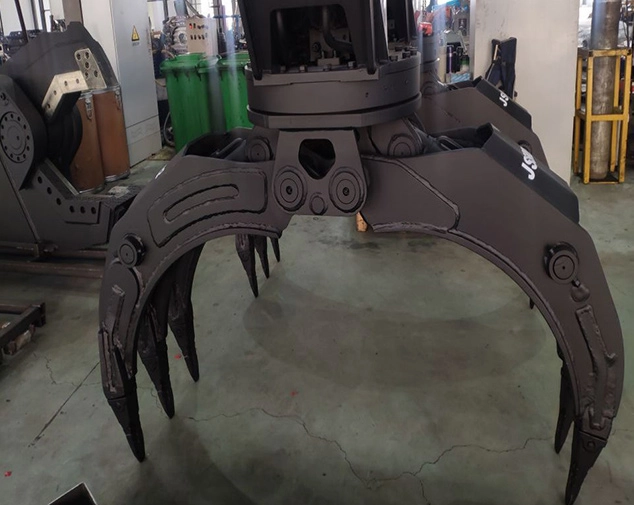
A grapple grabs and shifts things that have odd shapes. Think logs, scrap metal, or bits from a teardown. Its claw jaws work well when you need to sort or shift loads that slide off normal buckets.
Buckets are made for digging, scooping, and carrying loose stuff like soil, sand, or gravel. They come in different styles. General-purpose ones handle daily jobs. Rock buckets take heavy digging. Trench buckets fit narrow cuts.
Both attachments help, but they shine in different ways.
Excavator Grapple: Structure and Functionality
Before you compare how they work, it helps to see how a mechanical grapple is built.
Key Components of a Mechanical Grapple
A common mechanical grapple has two or more jaws. Hydraulic cylinders power them and create a strong clamp. This lets the tool hold heavy or uneven loads such as logs, stones, or scrap metal. Some models turn a full circle for exact placement in small areas. Others skip the turn and focus on lift power.
The main parts are these:
- Hydraulic cylinders that create grip force
- Strong arms or tines that form the jaws
- Mount plates that fit different excavator sizes
- Optional turn units for better movement
Advantages of Using an Excavator Grapple
They give better control with loose or uneven loads. The firm clamp cuts down on spills when lifting or dumping. This helps a lot in recycling yards or forestry work where exact moves matter more than big scoops.
Other gains include faster sort and stack times, less chance of dropping risky debris, and clearer sight for the operator because of the open frame. In waste handling and teardown work, these gains add up to more output and fewer repeat jobs.
Limitations of Grapples in Certain Applications
Grapples are not the best fit for every job. They have trouble with packed soil or fine materials that need digging instead of grabbing. They also depend on the hydraulic system, so hoses and seals need regular checks to stop leaks or loss of pressure.
Excavator Bucket: Design and Application Scope
If grapples focus on careful handling, buckets focus on moving big amounts and lasting through hard use. Their solid build lets them shift large loads quickly across sites.
Structural Features of an Excavator Bucket
An excavator bucket uses thick steel plates and hard cutting edges. These stand up to wear from rocks and rough stone. Designs change with the job. General-purpose buckets handle light digging. Rock buckets have thicker walls for rough ground. Trench buckets are slim and fit utility work.
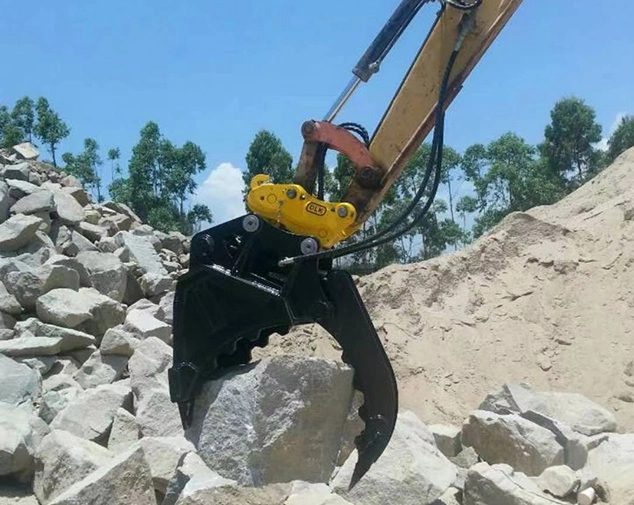
Benefits of Using an Excavator Bucket for Material Handling
Buckets work well with even materials such as sand or gravel. Their closed shape makes scooping and dumping easy with little spill when the load is steady. They also need less care than grapples because they have fewer moving parts that wear from hydraulics. Main gains are simple use, fit with many excavator models, and lower cost when moving bulk loads. For crews that value speed and volume, like road teams, buckets stay a key tool.
Drawbacks When Compared to Grapples
Yet when the load has odd shapes like trunks or scrap piles, buckets lose ground. Their fixed form limits exact grip and can let material fall during dump if the load sits off balance.
Comparing Performance: Grapple vs. Bucket in Material Handling Tasks
To pick the right tool, compare how each one acts on real sites, not just on paper.
Efficiency in Different Work Environments
Grapples do well where shapes vary. Scrap yards and forestry sites gain from the grip. Buckets do better in even settings like quarries or dig zones where speed counts more than fine moves.
Operational Versatility and Control Precision
Control also decides the choice. Grapples let the operator move in many directions and pick items without shifting nearby material. Buckets move more at once but give up some fine control when placing loads.
Maintenance and Durability Considerations
Care routines differ. Grapples need steady grease on pins and bushings plus checks on the hydraulic system to avoid stops. Buckets mainly wear at the cutting edge. Swapping that edge brings full use back without hard service work.
Choosing the Right Attachment for Your Project Needs
Picking between a grapple and a bucket comes down to matching the tool with the real needs on site.
Factors to Consider Before Selection
First check the material. Solid logs or uneven scrap favor grapples. Even loads like sand suit buckets more. If space is tight or ground is rough, such as in city teardown zones, a turning grapple can give more room to move than a fixed bucket. Every job weighs speed against care. If moving lots fast is the goal, choose a high-capacity bucket. If exact picks matter more, such as in waste sorting, a grapple gives better results.
Matching Attachment Type with Industry Applications
Grapples make sorting after a teardown simpler. Buckets handle the dig work during foundation jobs. Hydraulic grapples speed up sorting by pulling out recyclables faster. Once sorted, buckets take over for loading trucks. Log grapples speed up timber loading. Light buckets help farmers level fields or shift compost.
How Kingho Technology Supports Efficient Material Handling Solutions
New ideas do not stop at choosing tools. They reach into how the tools are made. That is where Kingho Technology stands out. The firm builds attachments that hold up under tough use. Kingho Technology makes strong excavator attachments. These include mechanical grapples and heavy buckets built for teardown, recycling, forestry, and construction.
Every unit goes through tough tests to keep strength and weight in balance for different site needs. Each site has its own details. Kingho offers custom builds for excavators from small units to machines over 50 tons. Custom shapes improve fit across brands. Better build methods raise resistance to repeated stress.
Suitable attachments can reduce handling time, improve safety, and increase the productivity of each machine. Please contact us, and we will discuss the attachments suitable for your excavator and work site.
FAQs
Q1: What type of excavator attachment is best for handling scrap metal?
A mechanical grapple gives better grip and control when dealing with odd scrap pieces than standard buckets.
Q2: Can I use one attachment type across different excavators?
Yes. Most modern attachments use interchangeable couplers. They fit various excavator models in the same weight class.
Q3: How often should I maintain my excavator grapple?
Check hydraulic lines each week during heavy use. Grease pins daily to avoid early wear from high pressure.
Q4: Are rotating grapples worth the investment?
For jobs that need exact placement, such as loading logs on trucks, a rotating grapple improves movement even though the first cost is higher.
Q5: What’s the best attachment choice for sandy terrain work?
An excavator bucket stays the first choice. It offers large capacity and smooth scoops that suit fine materials like sand or gravel.