
7 Factors to Consider Before Buying a Scrap Metal Shear
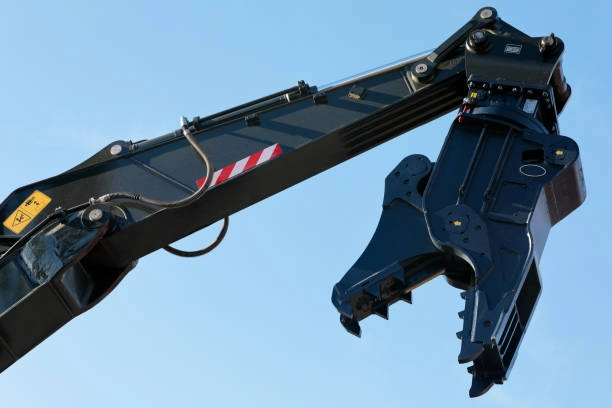
A scrap metal shear serves as more than a basic cutting tool. It acts as the main mechanical support for current recycling and demolition tasks. These machines tackle very hard jobs. They cut through solid steel beams. They take apart old vehicles. They also break down scrap into easy-to-handle parts. At demolition sites, a hydraulic shear frequently takes the place of manual torching. This change lowers heavy labor needs. It also boosts worker safety. Inside recycling yards, the equipment keeps material sizes uniform. This helps prepare the metal for later smelting or quick resale.
What Role Does a Scrap Metal Shear Play in Recycling and Demolition Work?
The function of a scrap metal shear covers two main areas. These are recycling and demolition. During building removal, the tool cuts through thick rebar, metal pipes, and steel frames. It does this with high accuracy. Manual tools simply cannot reach this level of exactness. Inside a scrapyard, the exact same machine changes messy metal piles into steady feedstock. This material is then ready for the melting process. True efficiency means more than fast work. It relies heavily on good control. A properly matched shear lowers machine downtime. It saves diesel fuel. It also lessens physical wear on excavators. Selecting the correct type will lower running costs a lot over the years.
7 Factors to Consider Before Buying a Scrap Metal Shear
Picking the best scrap shear depends on actual performance under heavy loads, not just brand names. Every point listed below shows how smoothly the machine will fit into your daily work routines.
1: Why Does Cylinder Configuration Matter?
Cylinder setup decides how the tool applies force while cutting. Single-cylinder models look simpler and weigh less. However, they might have trouble with very thick or rough materials. In contrast, a double cylinder shear spreads pressure evenly across both sides of the main jaw. This design offers better stability. It provides balanced power during very heavy cuts. This setup also lowers twisting stress on the main frame. Such stress often causes cheap models to break down. When facing thick steel or tough concrete rebar, strong hydraulic pressure is a must. It keeps the cutting motion smooth and prevents annoying stalls.
2: What to Look for in Blade Material?
Blade quality determines the lifespan of your investment. It tells you when you need to buy new parts. High-tensile alloy steel stands as the normal standard in this field. It mixes solid hardness with great toughness. Good wear resistance impacts long-term output directly. When blade edges become dull in an uneven way, cutting speed falls fast. Frequent checks and prompt sharpening stop extra stress on both cylinders and hydraulics. Many machine operators turn their blades around on a regular schedule. This action balances out the daily wear. It is an easy habit that makes the parts last much longer.
3: How Hydraulic Power Affects Cutting Performance
Hydraulic systems act as the core of every shear. The link between fluid pressure, flow rate, and cutting speed sets the daily work output. If the pressure drops too low, the cuts stay incomplete. If it goes too high, it might ruin rubber seals or thick hoses. Buyers must check if the tool fits their excavator hydraulic systems before paying. Bad flow rate matches lead to slow work or hot engines. Dependable seals and exact fluid control keep the machine running well. They help the tool work smoothly during heavy loads or sudden weather changes.
4: How to Choose the Right Excavator Attachment
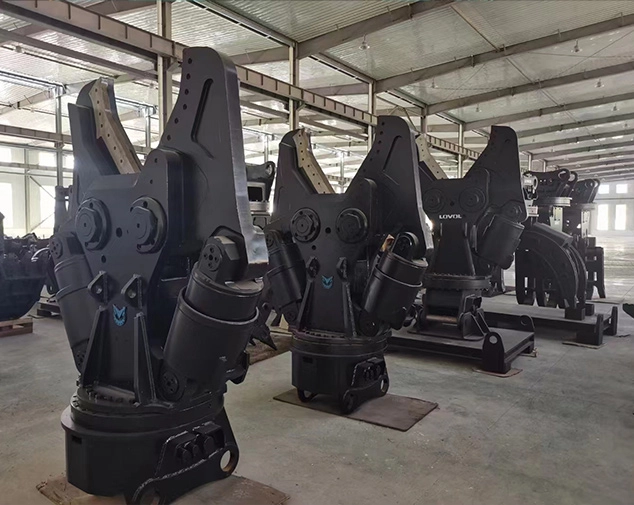
Pairing an excavator attachment, such as a hydraulic shear, takes extra care. You need to look beyond simple weight charts. The weight of the shear has to match the boom lifting limits. This balance stops tipping dangers when reaching far out. A fitting quick coupler makes changing tools much easier. This helps a lot when workers swap between crushers, grapples, or compactors in a single workday. Machine steadiness is just as vital as pure strength. An extra-large shear might finish cuts faster. However, it can make small excavators rock or tip while turning.
5: Operational Safety and Control Precision
Modern safety features mark true professional-grade gear. Overload protection setups stop sudden pressure damage. They do this by letting out extra force on their own. Strong, reinforced jaws lower the chance of bending during constant heavy hits. At the same time, anti-twist designs keep every cut straight. They work well even on odd material shapes. A clear view from the driver cab is also very important. Good sightlines help operators make exact cuts safely. This matters most when working close to weak building supports or inside tight areas.
6: Maintenance Accessibility and Service Support
Simple maintenance controls machine uptime more than the initial cost does. Workers should easily reach replaceable wear parts like blades and metal bushings. They should not have to take the whole unit apart. Grease points require clear labels to help with daily service tasks. Skipping this step cuts part lifespans very quickly. Companies that give solid after-sales support really stand out. They send spare parts in a few days instead of long weeks. This quick help saves the day if a sudden breakdown stops a big project.
7: Manufacturer Reliability and Technical Expertise
Deep engineering knowledge sets tough machines apart from weak ones. Builders with actual field testing experience create better frames. These solid frames fight off metal cracking. They handle the repeating stress found in daily demolition jobs. Having custom choices is helpful too. For example, recycling yards might need longer jaws to handle large scrap loads. On the other hand, city demolition sites often want small but strong designs. These compact tools fit perfectly into narrow urban spaces.
Why Partnering with Kingho Technology
Kingho Technology builds hydraulic shears, concrete crushers, grapples, compactors, pile drivers, and recycling equipment. Our strict focus on exact engineering guarantees steady results. Each product works well during very hard job conditions. We build tools using tough materials. These parts pass strict industrial tests. Kingho Technology values long-lasting strength. Our worldwide after-sales service support offers quick technical help. This support reaches buyers no matter where their projects happen.
FAQ
Q1: What is the main difference between single-cylinder and double cylinder shear designs?
A double-cylinder model puts equal force on both jaws. This makes cutting thick items much smoother. It also lowers stress on the main frame when you compare it to single-cylinder types.
Q2: How often should blades be replaced or rotated?
The timing relies on your daily work volume. Usually, operators change them after a few hundred hours of heavy use. You should also turn them if you see clear dull spots on the cutting edges.
Q3: Can any excavator use a hydraulic shear attachment?
No, not every time. The machine hydraulic flow rate and working pressure must match the maker rules. This exact match ensures good function. It also stops the inner systems from getting too hot.
Q4: Why choose Kingho Technology for attachments?
Their tools blend very solid build quality with fast worldwide service support. Highly skilled engineers back up this service. These experts fully understand real job site conditions.