
Can a 20-Ton Excavator Drive Sheet Piles? A Practical Vibro Hammer Matching Guide
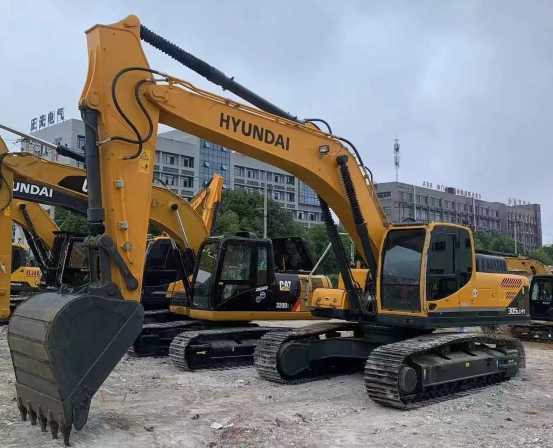
A 20-ton excavator can drive sheet piles when the hydraulic circuit and attachment match the job. A vibro hammer needs suitable flow and pressure. The clamp must fit the pile. The carrier needs lifting margin at working radius.
A mismatch is easy to spot: the hammer runs but the pile barely moves, or oil temperature climbs. That is a matching problem.
Can a 20-Ton Excavator Drive Sheet Piles?
A vibro hammer uses eccentric weights to create high-frequency vibration. This reduces friction along the pile while the excavator supplies positioning force. Sheet piles can enter soft clay, loose sand or prepared fill with less impact noise.
The same setup can pull piles when the clamp holds firmly. It suits temporary cofferdams and trench walls. Dense gravel or rock may still require impact energy or predrilling.
The practical answer is yes when the hammer stays within the excavator’s approved flow and pressure range. The machine must lift the complete attachment safely on a stable platform.
What Does “20-Ton Excavator” Actually Tell You?
Operating weight is a starting point. It does not reveal auxiliary flow. Two excavators in the same class can have different pump settings, return lines and couplers.
Check the carrier manual for auxiliary flow. Confirm maximum operating pressure and return pressure. An undersized return line can damage a vibro motor. Confirm coupler, hose diameter and controls before delivery.
Lifting capacity changes with radius. A 20-ton excavator may lift a hammer close to the machine yet lose margin with a long pile. Keep the boom over the strongest part of the undercarriage. “For 20–25 ton excavators” is only a screening guide.
Five Checks Before Matching a Vibro Hammer
The carrier class narrows the field. These checks determine whether a particular hammer belongs on the machine.
1. Compare Hydraulic Flow and Pressure
Compare the hammer datasheet with measured auxiliary output. Low flow means weak vibration and slow penetration. Excess flow creates heat; excess pressure can damage the motor or relief valve.
Ask for a test at operating temperature. A cold-oil reading can look healthy while the circuit fades after an hour. Flow-control valves cannot replace a correctly sized circuit.
2. Check Hammer Weight and Excavator Stability
Use the total suspended load. Include the hammer, clamp and adapter. Add hoses and the pile section. Compare it with the lift chart at planned radius. Leave margin for side loads.
On a riverbank, one track can settle near the edge once vibration starts. Set the machine square to the pile line. Use mats on weak soil.
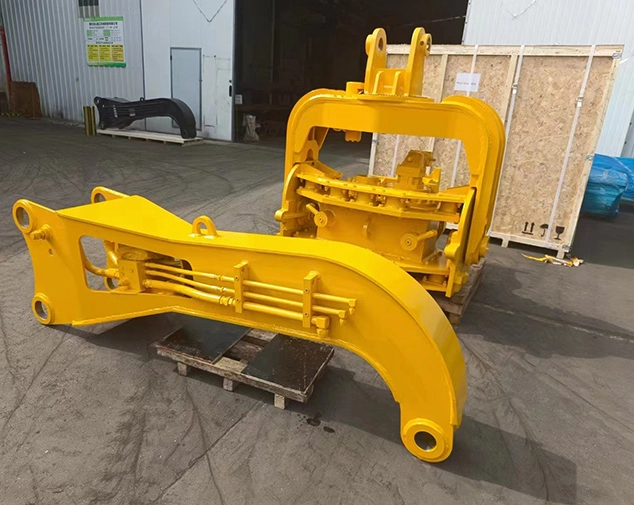
3. Match the Clamp to the Sheet Pile
Pile profiles are not interchangeable. A clamp for a narrow U-section may not grip a wide Z-section. Check width, thickness and whether sheets are single or paired.
Clamp force matters during extraction. Slippage can damage the pile head. Confirm jaw material and gripping range.
4. Evaluate Soil and Pile Conditions
Soil resistance controls the workload. Soft clay may accept a moderate hammer quickly. Dense sand slows penetration with depth. Note gravel and groundwater. Record any fill layers or obstructions.
Record pile length and target embedment. A short temporary pile in loose soil differs from a long section in compacted fill.
5. Confirm the Excavator’s Auxiliary Configuration
Inspect hoses and couplers for required port sizes. Verify the case drain if needed. Check the control circuit and cab flow selector.
Flush contaminated lines before connection. Run at low duty and inspect for leaks, unusual noise and rising temperature.
A Practical Vibro Hammer Matching Workflow
A short data sheet prevents ordering mistakes. Capture this information before requesting a model recommendation:
-
Record the excavator make, model and operating weight.
-
Collect auxiliary flow, pressure and return-line specifications.
-
Identify the pile profile. Record its width and thickness. Add pile length and target depth.
-
Describe soil type and expected driving resistance.
-
Estimate the lifting radius and working position.
-
Shortlist hammers within the hydraulic requirements.
-
Confirm clamp design, total attachment weight and stability margin.
-
Request manufacturer confirmation before placing an order.
| Input | Why It Matters |
| Hydraulic flow | Determines vibration performance |
| Operating pressure | Protects the motor and circuit |
| Hammer weight | Affects lifting and stability |
| Clamp opening | Determines pile compatibility |
| Soil resistance | Influences required excitation force |
| Pile dimensions | Determines gripping and installation method |
This makes quotations comparable and lets the supplier reject a poor match.
When Is a 20-Ton Excavator Not Enough?
Look beyond the carrier when piles are long or heavy. Deep embedment can push resistance beyond efficient vibration. Gravel, rock and limited flow are warning signs.
The lift chart may look acceptable at the boom foot yet fail at working radius. Instability and repeated relief-valve opening are warnings. A larger excavator, dedicated vibro leader or impact hammer may be more sensible.
A short test section reveals penetration rate, clamp behavior and oil temperature.
Why Consider a Kingho Technology Pile Hammer?
Kingho Technology offers a pile hammer for excavator attachments intended for driving and pulling pipes and steel plates. The product construction uses Q345 manganese plate steel. Its pin shaft uses 42CrMo alloy steel with an internal oil channel. The listed configuration includes an imported Swiss rotary motor, Eaton oil seals and Korean Autox shock absorber blocks.
Those details matter through repeated vibration cycles. The integrated design can simplify the attachment package. A five-year warranty is listed with the product.
The useful conversation starts with data. Send the excavator model and its measured auxiliary flow. Include pressure, pile dimensions and soil description. Kingho Technology’s hydraulic pile-driving solutions can then be compared with the actual duty instead of a broad tonnage label. Contractors who also need a hydraulic breaker hammer or a hydraulic plate compactor can keep the same carrier data for attachment planning. Use the Kingho Technology service team when the quotation must include hose layout. Add commissioning or spare-parts support as needed.
Have a 20-ton excavator and a sheet-pile project? Send those details to Kingho Technology for a suitable pile hammer configuration and a project-specific quotation.
FAQ About 20-Ton Excavator Vibro Hammers
Q: What size vibro hammer is suitable for a 20-ton excavator?
It depends on hydraulic flow and pressure. Hammer weight, pile profile and soil resistance also matter. Carrier class alone is not enough.
Q: Can a vibro hammer pull sheet piles as well as drive them?
Yes. The clamp must hold the pile securely during extraction and the motor circuit must support the duty in both directions.
Q: Is a hydraulic breaker the same as a vibro hammer?
No. A breaker delivers impact energy. A vibro hammer uses controlled vibration for pile driving and extraction.
Q: What information should I send for a quotation?
Provide the excavator model and auxiliary flow. Add pressure, pile dimensions and soil type. Include target depth and expected project volume.