
Best Excavator Attachments for 5-Ton, 10-Ton, and 20-Ton Excavators
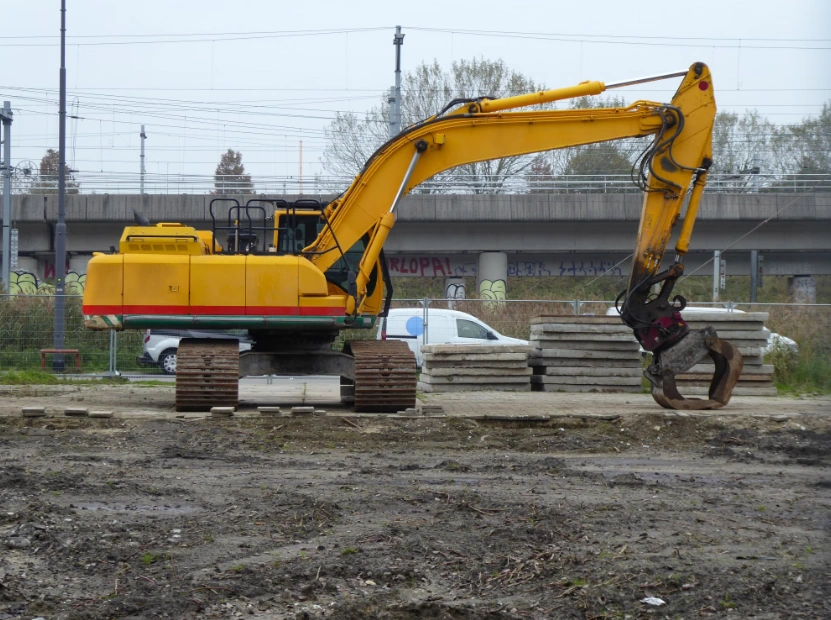
Choosing an attachment based on excavator size seems easy at first. Real issues often appear once the machine arrives at the site. A breaker that weighs too much can leave a compact excavator unsteady. A grapple may fit the pins yet move slowly because the carrier cannot supply enough oil.
Machine size is a useful starting point. The final choice should still be based on the carrier, the material, and the way the attachment will be used.
What Should You Check Before Choosing an Excavator Attachment?
Operating weight comes first. The excavator has to carry the attachment. It must control the tool at full reach. The machine needs to stay stable with a load on the tool.
Hydraulic flow and pressure count just as much. Breakers, rotating grapples, shears, pulverizers, and pile hammers each need different oil amounts. Too little flow leaves the tool slow or weak. Too much flow can build heat or harm seals.
Check pin diameter, pin center distance, dipper width, coupler type, and auxiliary lines.
The job should guide the decision. Breaking pavement differs from work in granite. Moving brush is not the same as sorting steel scrap. Kingho Technology typically matches attachments using the excavator model, hydraulic data, mounting dimensions, and working material. Tonnage alone is not enough.
Which Attachments Are Best for a 5 Ton Excavator?
A 5 ton excavator works well on residential sites, utility trenches, narrow access roads, landscaping jobs, and light demolition. Its hydraulic output and lifting margin are limited, so light attachments usually work better than oversized ones.
Hydraulic Breaker for Light Demolition
A small hydraulic breaker hammer suits pavement repair, concrete slab removal, trench work, and light foundation demolition. It should deliver useful impact energy without making the excavator rock on its tracks.
A common mistake is choosing by chisel diameter alone. The operator then keeps the boom close to the machine to avoid instability, which reduces working range. A smaller breaker with the correct oil flow often performs better over a full shift. Kingho Technology’s lighter breaker configurations can be matched to compact carriers where weight and flow are restricted.
Hydraulic Thumb or Small Grapple for Material Handling
A hydraulic thumb or small grapple can move branches, broken concrete, landscape rocks, pipes, and debris. A thumb is lighter and simpler. A grapple gives better control when material shape changes often.
Rotation is useful but adds weight and may require another hydraulic circuit. On a small machine, firm closing force is usually more valuable than a wide jaw opening.
Plate Compactor for Trenches and Landscaping
A plate compactor suits utility trenches, road shoulders, small foundations, and backfill near walls.
The plate must fit the trench. An oversized plate can bridge across the sides and leave loose material below. A compact unit with moderate vibration is easier for a 5 ton carrier to control.
Which Attachments Are Best for a 10 Ton Excavator?
The 10 ton class sits in a useful middle ground. These machines can handle municipal work, road repair, drainage, medium demolition, and land clearing.
Medium Hydraulic Breaker for Concrete and Rock
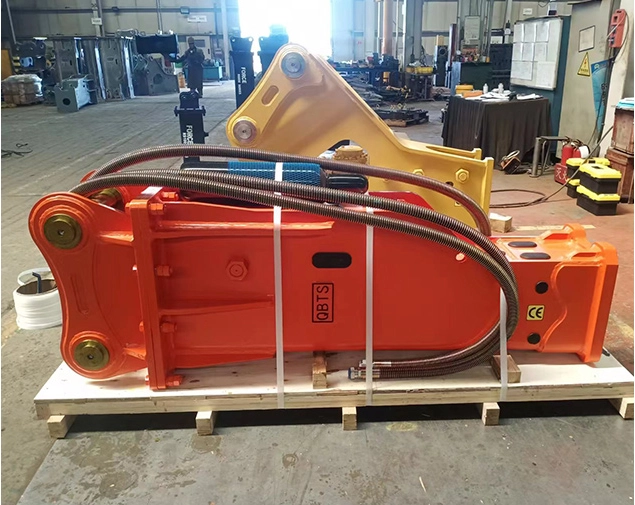
A medium breaker works on reinforced concrete, road surfaces, weathered rock, and foundations. Hydraulic matching becomes more noticeable at this size. A correctly supplied breaker hits consistently. An underfed breaker may sound active but remove little material.
Return pressure should also be checked. Restrictive couplers or small return lines can reduce blow frequency and raise oil temperature.
Grapple or Sorting Grab for Debris Handling
For mixed demolition waste, timber, rocks, and recyclable material, a grapple or sorting grab is often more useful than a bucket.
Rotation helps on urban jobs where the excavator cannot keep repositioning. Kingho Technology sorting grapples can be configured around the carrier’s available hydraulic circuits, which matters when return capacity is limited.
Rake, Ripper, or Quick Hitch for Multi-Task Work
A rake suits root removal, surface cleanup, and coarse screening. A ripper is better for hard soil, frost, compacted fill, and weathered rock. A quick hitch saves time when the machine changes between a bucket, breaker, grapple, and compactor several times a day.
It improves workflow rather than digging force.
Which Attachments Are Best for a 20 Ton Excavator?
A 20 ton excavator can support heavier tools for demolition, quarrying, recycling, piling, and bulk material handling. Larger attachments also create larger loads in the boom, stick, pins, hoses, and slew system.
Heavy Hydraulic Breaker for Quarrying and Demolition
A heavy breaker suits primary concrete demolition, quarry rock, large foundations, and road construction. The carrier needs enough flow, suitable return plumbing, and stable operating weight.
In quarry work, holding the breaker on one point for too long usually creates heat rather than progress. Short impact cycles with regular repositioning tend to work better.
Hydraulic Shear or Pulverizer for Demolition
A hydraulic shear is intended for steel beams, structures, and scrap. A pulverizer crushes concrete and exposes rebar.
For mixed demolition, the attachment should match the material stream. Kingho Technology shears fit steel cutting tasks, while pulverizer or crusher configurations make more sense for concrete reduction and rebar separation. The wrong jaw slows cycle times and increases wear.
Heavy Grapple or Pile Hammer for Specialized Work
A heavy grapple suits scrap yards, log handling, rock sorting, and demolition debris. A pile hammer supports sheet piles, pipe piles, and solar foundations.
These tools may demand high continuous flow and dedicated hydraulic lines. Lifting capacity at full reach should be checked, not just the maximum figure close to the tracks.
How Do Attachments Differ Between 5 Ton, 10 Ton, and 20 Ton Excavators?
| Excavator Size | Typical Work | Common Attachments | Main Selection Concern |
| 5 ton | Landscaping, utility work, light demolition | Small breaker, thumb, light grapple, plate compactor | Weight and stability |
| 10 ton | Municipal work, road repair, medium demolition | Breaker, grapple, rake, ripper, quick hitch | Versatility and hydraulic capacity |
| 20 ton | Heavy demolition, quarrying, recycling, piling | Heavy breaker, shear, pulverizer, grapple, pile hammer | Hydraulic demand and structural load |
The table is only a filter. Machines in the same weight class may still have different pumps, booms, and lifting charts.
How Can You Confirm That an Attachment Will Fit Your Excavator?
Provide the exact excavator brand and model, operating weight, auxiliary flow, working pressure, and return pressure if available. Measure pin diameter, pin center distance, and dipper width.
Describe the material clearly. “Demolition” is too broad. Reinforced concrete, structural steel, brick, and mixed waste require different tools.
Rotating attachments may need two way flow, a rotation circuit, or a case drain. Pile hammers may need more continuous flow than the standard auxiliary circuit can supply. A Kingho Technology compatibility check should confirm mounting dimensions and hydraulic requirements before fabrication.
Which Excavator Attachment Should You Choose?
A 5 ton machine usually benefits from light, compact tools. A 10 ton excavator handles a wider mix and often works well as a multi-purpose carrier. A 20 ton machine supports heavier demolition, quarry, recycling, and piling equipment.
The useful question is not, “What is the largest attachment this excavator can lift?” It is, “What can this excavator operate all day without instability, overheating, or excessive wear?”
Before ordering, confirm your excavator model, hydraulic flow, working pressure, and mounting dimensions. Kingho Technology can use this information to recommend a compatible attachment for your application.
FAQ
Q: Can a 10 ton attachment be used on a 5 ton excavator?
Usually not. The attachment may be too heavy, and its hydraulic demand may exceed the smaller machine’s capacity.
Q: Are excavator attachments universal?
No. Pin size, spacing, arm width, hydraulic flow, pressure, and hose connections vary between machines.
Q: Is a quick hitch worth using?
Yes, when the excavator changes tools often. The added weight and pin to tip distance still need consideration.
Q: What information is needed before ordering an attachment?
Provide the excavator model, operating weight, hydraulic flow and pressure, pin measurements, required function, and working material.