
Vibratory Hammer vs Impact Hammer Which is Better for Your Piling Project
Picking the correct piling gear decides if a task finishes early or runs into expensive machine holdups. When running a mini excavator vibratory hammer, the choice between shake power and old-style hit driving depends on ground firmness and work area limits. This overview explains ways to pair gear with earth needs for the next task. It aims for top drive speed and build strength.
How Does Vibratory Hammer vs Hydraulic Impact Hammer Efficiency Compare?
Work output in piling shows in how fast a post hits its set depth. It does so without harm to the unit or nearby land. Both items give push, but they deal with soil in basic unlike manners.
Vibratory Force for Rapid Penetration in Granular Soils
Shake tech runs by making quick shakes that turn soil around the post into liquid form. This cuts side rub a great deal. Thus, the post drops by its load and the hammer’s push. If sand, loose stones, or mud fits the job, a shake setup often works quicker. It cuts land upset, which matters near old bases.
Impact Force for Driving Piles into Harder Strata
Hydraulic hit hammers use a big drop to smack the post top. They send strong hits. This proves key in rock, firm mud, or packed earth layers where shakes fail to split soil ties. Though good for weight posts in rough land, the repeat jolts raise wear on the digger’s pins and sleeves.
The Kingho Pile Hammer for High-Tech Piling Performance
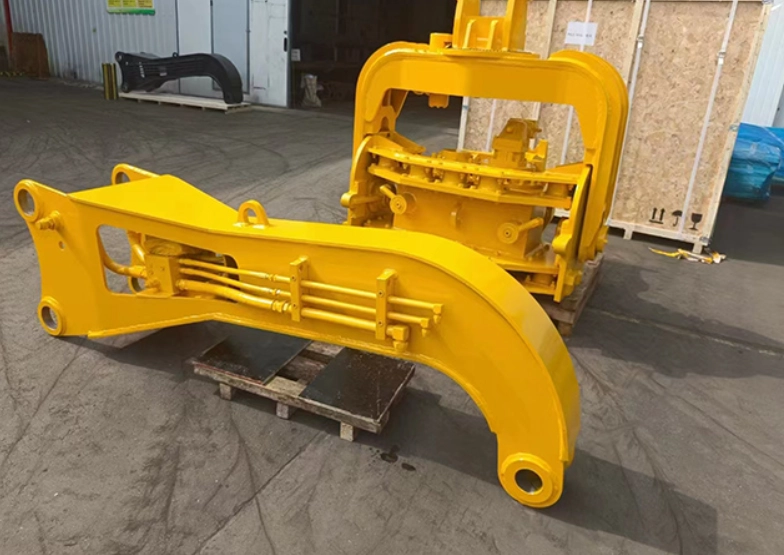
For a pro boost, Guangdong Kingho Technology Co., LTD has worked over ten years on moving smart gear. It mixes plain force with care. Set up in 2009, it grew to a global maker with a plant over 57,000 square meters. Trust their Pile Hammer. It joins a Swiss rotary motor and US Eaton oil seals to lengthen use and keep safety. The gear uses Q345 manganese plate steel. This gives the needed force and rust fight for tough sea or factory spots.
Table 1: Operational Comparison of Piling Methods
|
Metric |
Vibratory Hammer |
Hydraulic Impact Hammer |
|
Primary Soil Type |
Granular (Sand, Silt, Soft Clay) |
Hard Strata (Rock, Stiff Clay) |
|
Noise Level |
Lower/Continuous |
Higher/Percussive |
|
Installation Speed |
Fast (30% increase in soft soil) |
Moderate |
|
Main Component Material |
Q345 Manganese Steel |
High-Strength Alloy Steel |
Is a Sheet Pile Driver Attachment for Mini Excavator Right for You?
Setting the group with a mini excavator vibratory hammer brings move ease that big rigs lack.
Maneuverability in Restricted Urban Work Zones
City build jobs often need work in narrow paths or below power wires. A small sheet pile driver attachment for mini excavator lets navigation of these tight areas without a huge base of a full piling unit. Such setup fits city fixes, water hold plans, and trench clean where hold and mud pull matter most.
Enhanced Precision with the Hydraulic Vibratory Hammer for 5 Ton Excavator
A hydraulic vibratory hammer for 5 ton excavator brings exact aim. These small add-ons match the oil flow and push of tight machines. So, the shake stays on the post instead of spreading to the arm. This stops too much shake that leads to gear tire over long runs.
Noise Reduction and Environmental Compliance
Old hit ways face city sound rules often. Shake tech beats on green grounds. It skips the loud smack of a hit hammer. Thus, it cuts upset claims and lets longer work in home areas.
What Defines the Best Mini Excavator Vibratory Hammer Specifications for Soft Soil?
Win in soft ground calls for an add-on that mixes pace with lasting build. The mini excavator vibratory hammer specifications for soft soil center on key traits.
High Frequency and Centrifugal Force Balance
Top specs aim for a spin force over 3 tons. This keeps the post moving through soil without stops. But such force needs a strong frame support. Seek gear built with 42CrMo alloy steel pins that have oil paths inside. So, links stay oiled and not hot even in quick shake runs.
Material Durability and Component Longevity
Lasting comes from build fine points. Fine units use brought-in HALLITE or Eaton oil seals to block oil loss under strong push. Wear-fight alloy steel for jaw parts keeps a firm hold on the post. It does so after many hours in hot spots.
Korean Autox Shock Absorbers for Operator Comfort
Shake wears on units hard. Good setups add dampers from Korean firms like Autox. They offer better tire fight. These parts guard the small digger’s electric setup and oil seals from steady buzz in the piling flow.
Table 2: Technical Specifications for High-Performance Piling Tools
|
Component |
Standard Specification |
Kingho Professional Standard |
|
Main Frame Steel |
Standard Q235 |
Q345 Manganese Steel |
|
Rotary Motor |
Generic / Domestic |
Swiss-Imported High-Torque |
|
Pin Material |
45# Steel |
42CrMo Alloy Steel |
|
Oil Seal Brand |
Standard Rubber |
American Eaton / HALLITE |
|
Rotation |
Fixed or 180° |
360° Infinite Rotation |
Why Should You Consider the Mini Excavator Vibratory Hammer Price vs Value?
The start cost counts, but the true expense of a mini excavator vibratory hammer price ties to stop times and worker needs.
Reduced Labor Costs Through Mechanized Installation
Hand piling holds risk and slowness. Switching to machine setup cuts worker load and drops safety chances for the team. A two-cylinder rod build allows easy runs. One driver can pull old posts and set new ones in less time.
Long-Term ROI Through Wear-Resistant Engineering
A low-cost hammer picks weak steel that bends in heat or rusts in damp ground. Funds in a unit with NM400 or NM500 wear-fight steel make the add-on last years, not months. Such trust sets a lower cost per task over the unit’s life.
Lower Maintenance Requirements with Integrated Designs
Full, half-last builds cut pipe links. These act as usual break spots in oil systems. Picking an add-on with no-fix seal oil setup keeps the gear fit for rough spots with little daily work.
Why Trust Our Expert Technical Service and Support?
Gear makes up part of the setup. Pro help keeps it working well.
Personalized Product Customization for Unique Site Needs
Each task brings unlike wants. Through aimed Service, request custom item specs, build shapes, and run ranges. If a set tilt for hard trim or a special join for a rare digger type fits, pro build teams adjust the fix to the job.
Global Quality Standards and Certifications
When funds go to strong add-ons, seek checked quality. Pro makers hold ISO9001 and ISO14001 certs, plus EU CE and GOST-R marks. These rules make sure a mini excavator vibratory hammer passes strict output and safe tests before site reach.
Professional Consultation for Project Equipment Selection
Wrong add-on choice can hurt the digger’s oil pump. Pro advice pairs the digger’s flow (aimed ≥120L/min) and push (norm 210bar) to the add-on’s needs. This match boosts life for both the item and the base unit.
Contact Us for Engineering Solutions
Wrong oil flow or bad pin size can stop a task from the start. A Customized Design Suggestion, Professional Installation Guidance, and Hydraulic Flow Compatibility Report ensure a mini excavator vibratory hammer fits the machine and ground just right. Share the job’s ground depth and digger weight. The team will ready the needed tech papers. Contact the build group today to get the right add-ons for the set.
FAQ
Q: How do I know if my soil is suitable for a mini excavator vibratory hammer?
A: Shake hammers work best in loose soils like sand, mud, and soft stones. If high-water mud or grain stuff fits the job, the shake turns soil to liquid for simple drive. For firm rock, a hit hammer often proves needed.
Q: Does a mini excavator vibratory hammer require special hydraulic lines?
A: Yes, for a 360° turn job, hold a third oil pipe join usually. Check the machine’s flow rate hits at least 120L/min to keep steady spin force.
Q: What maintenance is required to ensure a long service life?
A: Pick units with oil paths in pins and half-last builds that cut pipe fix costs. Check NOK or HALLITE oil seals often to block oil push loss in heavy runs.