
The Ultimate Guide to the Average Lifespan of Excavators and Other Construction Equipment
Buying an excavator is a massive investment, whether you’re running a small municipal crew or a massive mining operation. Naturally, the first thing on any owner’s mind is: “How long is this thing actually going to last?” While industry experts usually peg the average life of a heavy excavator between 7,000 and 10,000 hours, that’s really just a starting point. In reality, the machine’s “death date” depends a lot more on how you treat it and—more importantly—what you hang off the end of the boom.
If you’re looking to get the most bang for your buck, you need to understand that the lifespan of the machine and the lifespan of its attachments are basically married to each other. Let’s dive into what makes these machines tick and how companies like Guangdong Kingho Technology are helping operators keep their fleets running longer.
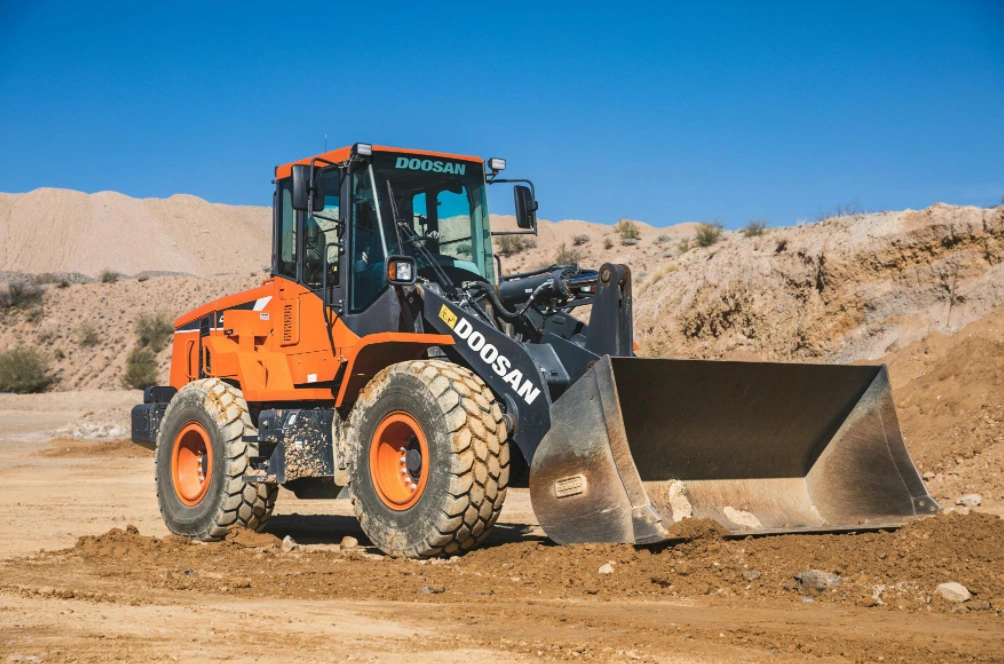
How Long Do Heavy Excavators Typically Last?
Most people in the dirt-moving business expect a solid ten years out of a fresh machine. But if you’ve been on a job site long enough, you know some rigs look like scrap after five years, while others are still purring at fifteen. It’s not just luck; it’s about the stress load on the hydraulic system and the structural frame.
Average Service Life Standards
A standard excavator usually starts showing its age around the 8,000-hour mark. By this time, the “major organs”—like the engine and the main pump—might need a serious look. However, if the machine has been doing light duty, reaching 12,000 or even 15,000 hours isn’t unheard of, especially if the owner stayed on top of the grease and oil.
Influence of Specialized Attachments
Think of your excavator like an athlete. If you give a sprinter shoes that don’t fit, they’re going to blow out a knee. The same goes for attachments. Using a Kingho Hydraulic Breaker or a reinforced Rock Bucket that’s perfectly matched to the machine’s weight class (like the 20-36 ton models) prevents the arm from twisting and keeps the hydraulic pressure within the “happy zone”.
Impact of Operational Environments
The job site is the ultimate judge. If you’re working in a scrap yard dismantling cars or crushing concrete, the environment is brutal. This is where heavy-duty gear like the Kingho Eagle Shear comes in—it uses Swedish Hardox steel to take the beating so your excavator doesn’t have to.
It’s pretty clear that the environment dictates the pace of wear, but the actual “build” of the tools you’re using is the secret sauce to staying profitable.
What Factors Directly Impact Attachment Durability?
It’s easy to think all steel is the same, but that’s a quick way to end up with a cracked bucket. When you’re looking at attachments, you’ve got to look at what’s inside the metal and how the moving parts are put together.
Material Strength and Steel Quality
Cheap steel bends; good steel lasts. Kingho builds their gear using Q345 manganese plate steel and Swedish Hardox 500. This stuff is tough as nails but light enough that it doesn’t bog down your machine’s cycle times, which is a win-win for both the tool and the excavator.
Precision Engineering with CNC Technology
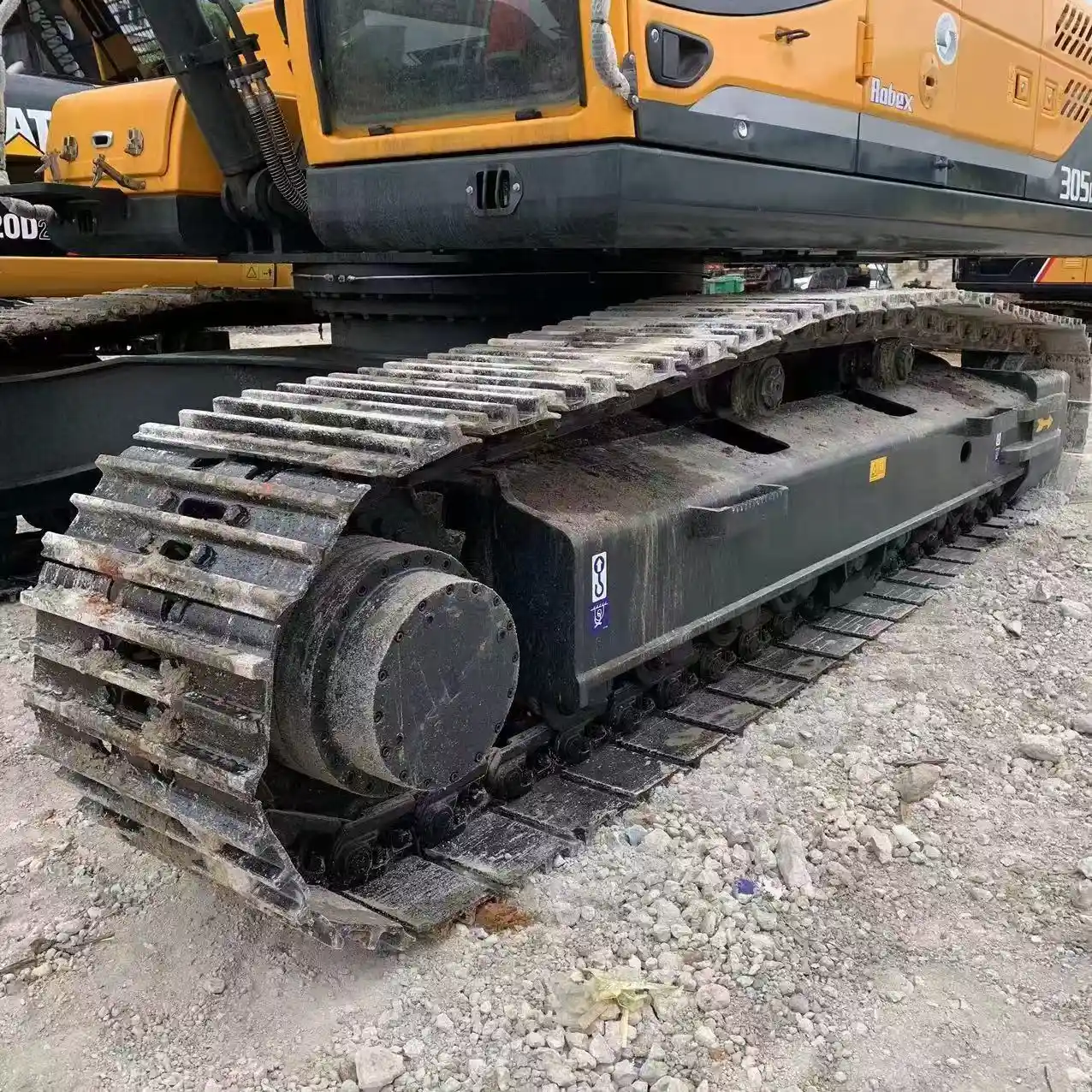
Back in the day, a lot of this stuff was welded by eye, but that’s not how things work anymore. Kingho Technology has stocked up on CNC machine tools to make sure every pin and bushing fits perfectly. When the fit is tight and precise, there’s less “slop” in the movement, meaning less heat and less wear over thousands of hours.
Component Origin and Seal Reliability
The little things are usually what kill a big machine. A blown seal can shut down a whole site. That’s why using high-end parts—like Swiss rotary motors, US-made Eaton oil seals, and German FAG bearings—is such a big deal for gear like Pile Hammers and Plate Compactors. It’s about not having to fix the same thing twice.
Once you’ve got the hardware sorted, you have to look at the paperwork. It sounds boring, but certifications are basically a promise from the manufacturer that they aren’t cutting corners.
Why Is Professional Certification Essential for Equipment Longevity?
You wouldn’t buy a car without a crash rating, so don’t buy a $20,000 hydraulic shear without knowing it’s been tested. Certifications are the industry’s way of proving a product won’t fall apart the second it hits a piece of rebar.
Global Quality Standards Compliance
Kingho Technology isn’t just flying by the seat of their pants; they’ve bagged ISO9001 and CE certifications. This means their Hydraulic Shears and Crushing Pliers have passed the kind of tests that keep safety inspectors happy and your equipment in one piece.
Proven Industrial Reliability Records
Numbers don’t lie. Kingho has been around since 2009, and by 2013, they were already shipping $500,000 orders to international customers who were happy with the results. A company doesn’t grow like that if their equipment is breaking down every month.
Advanced Research and Development Centers
Being recognized as a Guangdong Province “one enterprise, one technology” R&D center means they’re constantly tinkering with the designs. They are always looking for ways to make their car scrapers and power shears work smoother, which naturally makes them last longer.
Hardware and certifications are great, but even the best gear needs a smart operator to keep the clock running.
How Can You Extend Your Equipment Service Life?
You can buy the most expensive gear in the world, but if you treat it like junk, it’ll turn into junk. Long-term reliability is about making maintenance so easy that your crew actually does it.
Implementing Modular Maintenance Designs
Good design makes life easy. Kingho’s Sorting Grabs and Dismantling Pliers are built with modular parts and built-in oil passages in the pins. If a part wears out, you swap just that piece instead of tossing the whole tool. It’s common sense, but not everyone does it.
Utilizing Intelligent Loading Solutions
Sometimes, less is more. For example, the Kingho Excavator Magnet Lift runs off its own hydraulic generator, so you don’t have to mess with extra electrical lines or complex installs. Fewer parts to install means fewer parts that can break, keeping your maintenance costs on the floor.
Selecting Task-Specific Tooling
Don’t use a finishing bucket for rock work. It sounds simple, but people do it all the time. Using a dedicated Sleeper Machine for rail work or a Skeleton Bucket for sifting debris means you’re using the right tool for the job. This saves the “wrists” of your excavator from unnecessary stress.
Now, if you’re wondering where to actually get your hands on this kind of gear, you need to know where the pros shop.
Where Can You Find Reliable Excavator Attachments?
Finding a supplier that actually understands the “B2B foreign trade” world is half the battle. You need someone who speaks the language of industrial equipment and knows how to ship globally without a headache.
Kingho Technology Official Website
The best place to start is the source. The Kingho website has the full breakdown of everything they make, from the DLK brand Hydraulic Quick Hitch to their massive scrap car disassemblers.
Global Industry Trade Exhibitions
If you like to kick the tires before you buy, keep an eye out for them at the big shows. They’ve been staples at BAUMA CHINA in Shanghai and BICES in Beijing for years. It’s a great way to see the build quality up close.
Personalized Product Customization Services
Every job is a bit different. Whether you need a specific tilt angle on a bucket or a custom jaw for a shear, Kingho does personalized setups. They’ll tweak the structural form or operating range to make sure the tool fits your specific workflow perfectly.
FAQ
Q1: Can I use a 30-ton attachment on a 20-ton excavator?
A: It’s generally a bad idea. While some overlap exists, putting a tool that’s too heavy on a smaller rig will wear out your bushings and could even tip the machine. Always check the flow rate and pressure requirements—usually around 120L/min for 20-36 ton gear.
Q2: How often should I grease my hydraulic attachments?
A: For high-impact tools like breakers or pulverizers, you should be greasing them every 2 to 4 hours of actual use. If you’re using something like a Kingho Sorting Grab, its dust-proof bearings help, but a daily shot of grease is still the best insurance policy you can buy.
Q3: What’s the benefit of using Swedish Hardox steel over standard carbon steel?
A: Hardox is basically the gold standard for wear resistance. It’s much harder than standard steel, meaning it won’t “thinned out” as fast when rubbing against rock or concrete. It allows the attachment to be lighter without sacrificing strength, which saves your excavator’s fuel and joints.