
CAT vs. DEERE: Who Leads the Pack in the World of Giant Excavators
If you walk onto any major construction site or mining operation today, you’re going to see a sea of yellow and green. Caterpillar and John Deere have been locking horns for decades, each trying to claim the crown for the world’s most powerful giant excavators. But here’s the thing most site managers realize pretty quickly: a 40-ton machine is only as good as the tool hanging off the end of the stick.
While the big brands build the engines and the tracks, companies like Kingho Technology are the ones building the actual “business end” of the machine. Established back in 2009 , Kingho has spent over a decade perfecting the attachments that turn a standard excavator into a specialized powerhouse. Whether you’re running a Cat 336 or a Deere 350G, the real work happens when the hydraulics hit the attachment.
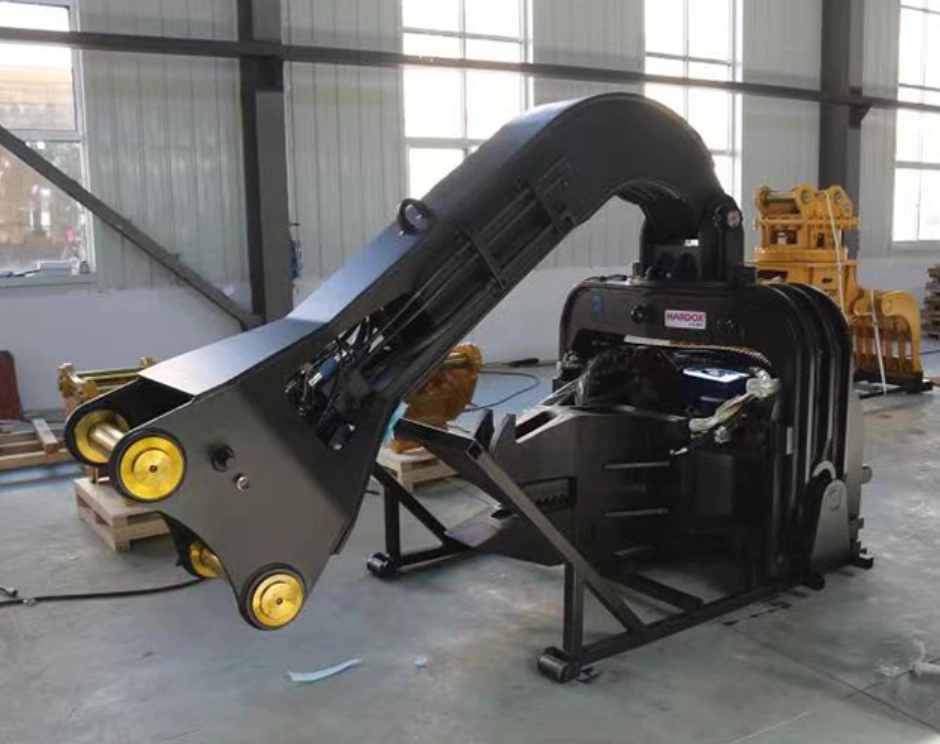
Which Manufacturer Provides the Most Durable Heavy-Duty Buckets?
When you’re digging through “blue rock” or frozen caliche, a standard GP bucket is going to look like a crumpled soda can in about a week. You need something that can actually take a beating without needing a welder on standby every other shift.
High-Strength Rock Buckets for Hard Soil
Kingho’s Rock Buckets are built for the nasty stuff—heavy-duty excavation of hard soil and gravel mixed with rocks. They don’t just slap on some extra steel; they use high-strength plates and specific casting guard blocks on the high-wear areas. The wide-mouth design makes it a lot easier to scoop up big chunks of shot rock, and those specially designed tooth plates actually grab the material rather than just pushing it around. It’s about getting the truck loaded faster and getting home sooner.
Versatile Skeleton Buckets for Municipal Engineering
If you’re doing site prep and need to keep the dirt but lose the rocks, the Skeleton (or Grille) Bucket is your best friend. These are used a ton in municipal and water conservancy jobs. Kingho builds these with the same high-strength steel as their rock buckets. The spacing in the ribs is designed to let fine material drop through while keeping the debris, which saves you a massive amount of time on secondary screening.
Efficient Tilt Buckets for Precise Slope Dressing
Cleaning up a riverbank or grading a steep ditch usually means a lot of awkward repositioning of the tracks. The Tilt Bucket changes that game by letting you adjust the angle of the bucket by +/- 26 degrees via the oil cylinder. You can dress a slope perfectly without moving the excavator an inch, which saves on fuel and stops you from chewing up your undercarriage.
It’s one thing to move dirt, but the demolition world is a whole different beast. If you’re in the scrap business, you aren’t just digging; you’re surgical. You need tools that can snip through a car frame like it’s a piece of cardboard.
How Can Operators Revolutionize Scrap Car Dismantling?
The scrap industry has moved away from the old “smash it with a ball” method. Nowadays, it’s all about high-speed recovery. Kingho has leaned hard into this, even getting recognized as a “Premium Enterprise for Scrap Motor Vehicle Dismantling Equipment”.
Powerful Precision With Car Dismantling Shears
Dismantling a car is a messy job if you don’t have the right gear. Kingho’s Hydraulic Shears (specifically for car dismantling) use a double-cylinder setup to give you that massive “bite” while keeping the attachment light enough so the machine doesn’t tip. They use Swiss-imported motors so the head can spin a full 360 degrees. This means you can reach into a cramped engine bay and snip out the copper or the aluminum blocks without breaking a sweat.
Enhanced Efficiency Through Frame Presses and Pliers
For the really detailed work, the Car Dismantling Pliers and Frame Presses take over. These are a huge step up from the old-school way of using torches or manual labor. Using a hydraulic system to control the arms, these tools are safer and much faster. Plus, you don’t have the environmental headache of flame cutting, which is a big deal for compliance these days.
Optimized Material Handling With Sorting Grabs
Once the car is in pieces, you’ve got to move it. The Sorting Grab is made from Q345 manganese plate steel, which is tough enough to handle jagged scrap metal without getting chewed up. It’s got a rotating motor that’s also from Switzerland, so it’s smooth and fast. Whether you’re loading a shredder or a flatbed, it just makes the whole yard run smoother.
While car dismantling is about precision, knocking down a three-story concrete building is all about raw, brute force. But even then, you need a tool that doesn’t just crush everything into dust—you need to separate the steel from the stone.
What Are the Best Solutions for Demolition and Concrete Crushing?
Demolition is where you really see what an attachment is made of. If the steel is cheap, the pins will snap within a week. Kingho uses Swedish Hardox steel in their heavy hitters, which is basically the gold standard for wear resistance.
Concrete Crushers for Structural Demolition
For taking down walls and pillars, the Concrete Crusher is the go-to. Kingho makes theirs out of Hardox 500. It’s light enough that it doesn’t bog down the machine’s hydraulics but tough enough to munch through reinforced concrete. The knife blocks are an alloy steel that won’t warp when things get hot during a long shift.
Heavy-Duty Eagle Shears for Large Steel Structures
If you’re looking at I-beams and heavy steel frames, you need an Eagle Shear. These things are beasts. They use 42CrMo alloy steel for the pins to make sure they don’t shear off under pressure. They also use Swiss motors for high torque. Basically, if you can fit it in the jaws, this thing is going to cut it.
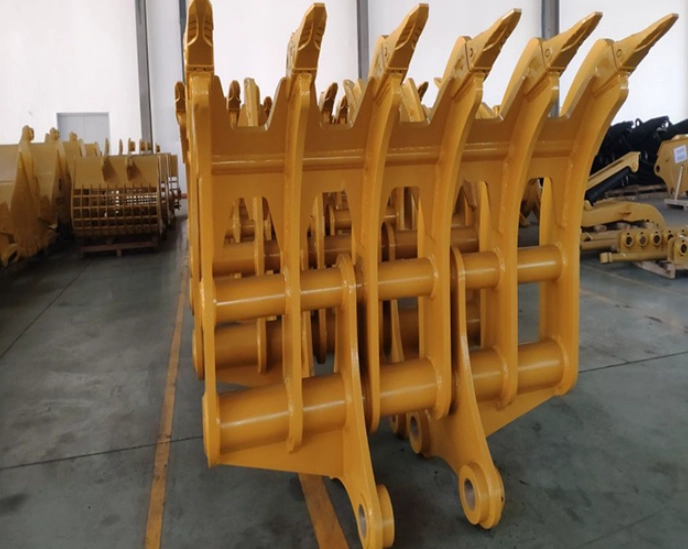
Hydraulic Pulverizers for Efficient Site Clearing
The Hydraulic Pulverizer is what you use to clean up the mess after the building is down. It separates the rebar from the concrete so you can recycle both. They’ve fitted these with imported HALLITE oil seals and honing tubes for the cylinders, which basically means they won’t start leaking the second the weather turns cold or the job gets dusty.
Building tools this tough isn’t an accident. It takes a lot of back-end work and some pretty serious manufacturing muscle to keep up with the demands of a modern construction site.
How Does Kingho Technology Ensure Product Reliability?
You can’t just talk the talk; you’ve got to have the paperwork to back it up. Kingho has been building its resume for over 15 years, starting from their formal establishment in 2009.
International Quality and Certification Standards
Over the years, Kingho has racked up a lot of “badges.” They’ve got ISO9001, ISO14001, and CE certifications. They’ve even passed GOST-R for the Russian market and BV/SGS audits. This isn’t just for show; it’s what allows them to export hundreds of thousands of dollars worth of gear to international customers who demand high standards.
Advanced Manufacturing With CNC Technology
Precision is key. You can’t have a grapple that doesn’t close right because the holes were drilled off-center. Kingho has filled their 57,000+ square meter factory with multiple CNC machine tools to make sure every part is spot-on. This investment is why they can handle more than 50 different models of attachments without the quality dipping.
Global Success and Customer Satisfaction
They aren’t just a local shop. Kingho has been a regular at major shows like BAUMA CHINA and BICES. Their “customer-oriented” vibe means they’ll even customize products—changing the specs or the structure—to fit exactly what a specific job needs. If you’ve got a weird problem, they usually have a custom solution.
Even after the main structure is gone and the site is clear, there’s often specialized work left to do, like compacting the ground for the new build or fixing the rail lines nearby.
What Auxiliary Equipment Is Essential for Compaction and Piling?
The “extra” stuff is often what makes a job profitable. Being able to switch from a bucket to a compactor in minutes is a huge advantage.
Hydraulic Plate Compactors for Complex Terrains
Kingho’s Hydraulic Plate Compactor is great for trenches and slopes where a walk-behind just won’t work. They use US-imported vibration motors and German FAG bearings. It’s a low-noise, high-reliability setup that can handle ramming, piling, and even some light crushing.
High-Performance Pile Hammers for Infrastructure
For driving pipes or steel plates, the Pile Hammer is the tool of choice. These use Korean Autox shock absorbers to keep the vibration from rattling the excavator to pieces. They’ve integrated the whole design to be safe and stable, keeping the failure rate low even when you’re hammering all day.
Specialized Sleeper Machines for Railway Maintenance
One of their cooler niche tools is the Sleeper Machine. It’s designed specifically for rail repair—it can pull out and replace any kind of sleeper (wood, concrete, or steel). It hooks right onto the excavator arm and makes what used to be a back-breaking manual job a lot faster and cheaper.
If you’re looking to upgrade your fleet, whether you’re running Cat, Deere, or anything else, check out the full range at https://www.kinghoattachments.com/.
FAQ
Q1: Can Kingho attachments fit on any excavator brand?
A: Yes, mostly. While they are designed to be “universal,” Kingho offers personalized structural forms and customized connectors to ensure they fit properly on everything from 4-ton minis to 50-ton heavy lifters.
Q2: How long does it take to swap out these attachments?
A: If you’re using one of their Hydraulic Quick Hitches, you can swap tools in just a few minutes. Even with more complex tools like the wood grapple, their modular design aims to get you back to work in about 15 minutes.
Q3: What kind of maintenance do the rotating attachments need?
A: Many of Kingho’s rotating tools, like the magnets and certain grapples, use dust-proof bearing structures and semi-permanent designs to keep maintenance costs down. However, keeping the Swiss motors and imported oil seals clean is always a good idea for long-term health.