
Sourcing Grapples and Equipment: Top Red Flags That Can Save You Money
Buying heavy-duty excavator attachments isn’t like picking up a new power drill at the hardware store. It’s a massive investment where a “good deal” on paper can quickly turn into a money pit in the field. When you’re looking for gear that can handle the daily grind of scrap yards or construction sites, you’ve got to look past the fresh coat of paint.
Most buyers focus on the price tag, but the real costs show up three months later when a pin snaps or a seal starts leaking. At Guangdong Kingho Technology, we’ve spent over a decade watching how high-quality engineering saves crews from these headaches. Here is a breakdown of the red flags you need to watch out for to keep your budget—and your machines—in the clear.
1. Why Is the Choice of Base Material a Critical Red Flag?
If a manufacturer is being vague about what kind of steel they use, run the other way. In the world of attachments, the “bones” of the equipment determine how long it’ll last before it starts cracking under pressure. Using cheap, mild steel in high-impact zones is a classic way for low-end brands to cut costs while you pay the price later.
1.1 Use of Low-Grade Steel in High-Stress Components
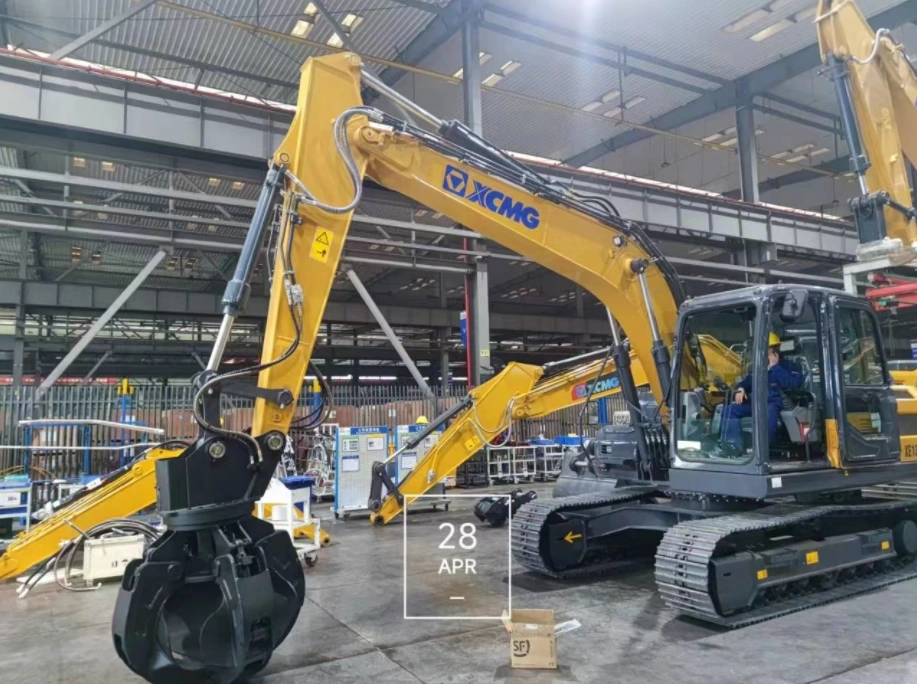
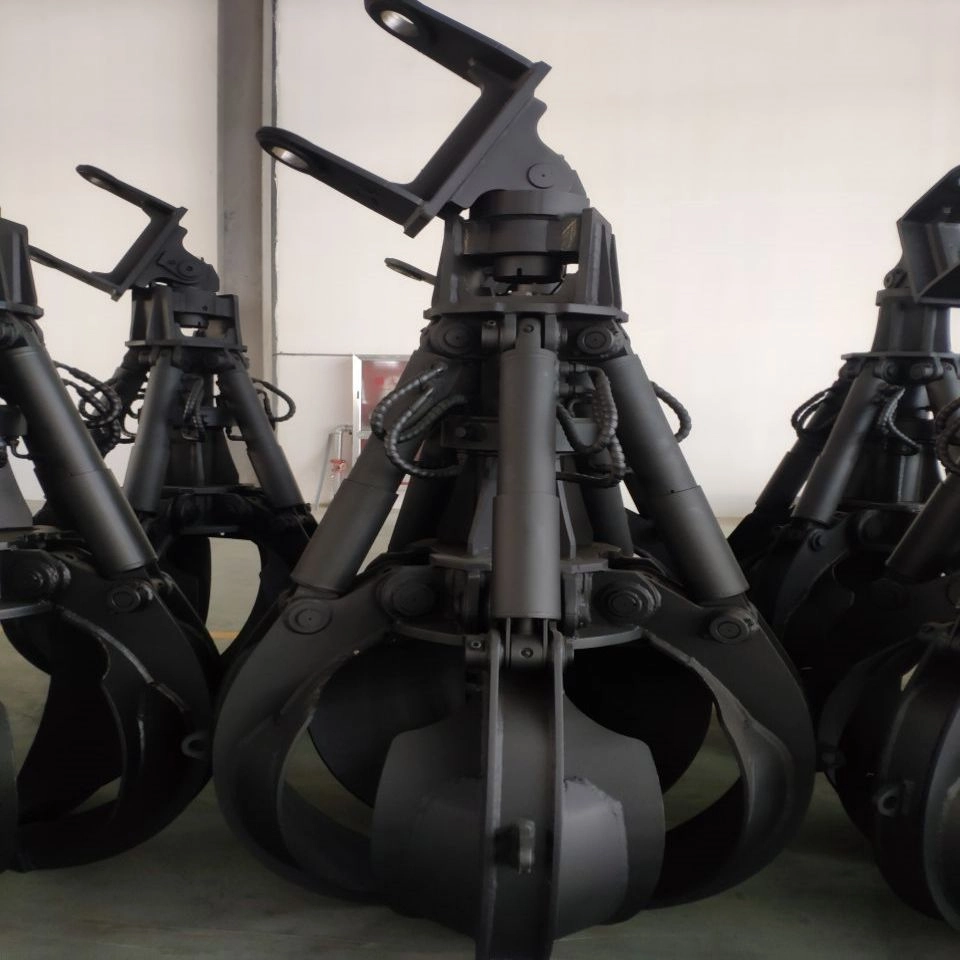
When you’re sourcing something like an Orange Peel Grapple, the material choice is everything. These tools spend their lives grabbing jagged scrap and heavy stones. If the manufacturer uses thin or soft metal, the “petals” of the grapple will bend and lose their grip within weeks. Kingho builds these with NM500 wear-resistant steel, which gives you a lightweight feel without sacrificing the toughness needed for heavy-duty loading. It’s about getting a tool that stays sharp and straight, even when the work gets ugly.
1.2 Lack of Specialized Heat Treatment for Pins and Bushings
The pins are the silent heroes of any attachment, but they’re often where cheap brands cut corners. If a pin hasn’t been through the right heat treatment, it’s either going to be too brittle and snap or too soft and warp. We make sure our pins are crafted from 42CrMo alloy steel, which hits that sweet spot of high strength and grit. Plus, they come with built-in oil passages, so everything stays lubricated and moves smoothly instead of grinding itself to death.
1.3 Absence of Reputable International Component Brands
A grapple is only as good as the parts that make it move. If the hydraulic components look like “no-name” generics, you’re looking at a ticking time bomb for leaks. For our Orange Peel Grapple, we stick with the pros: Swiss imported rotary motors for high torque and British HALLITE oil seals to keep the fluid where it belongs. These parts might cost a bit more upfront, but they mean you won’t be shut down on a Tuesday morning because a $5 seal failed.
It’s not just about what the equipment is made of, though. How those materials are put together into a working design is where the real “hidden costs” start to creep in.
2. How Can Poor Design Lead to Hidden Operational Costs?
You can have the best steel in the world, but if the design is clunky, you’re going to burn more fuel and take longer to finish the job. A bad design doesn’t just slow you down; it puts extra wear and tear on your excavator that you didn’t bargain for.
2.1 Inefficient Hydraulic System Integration
Take the Hydraulic Plate Compactor, for example. If the motor isn’t perfectly matched to the hydraulic flow of your machine, you’ll get weak vibrations that barely tickle the dirt. This means your crew has to spend double the time on the same patch of ground. Kingho uses American-made hydraulic vibration motors because they are rugged and provide the consistent “thump” needed for trenches and slopes. It’s about finishing the job in one pass instead of three.
2.2 Inadequate Shock Absorption Systems
Vibration belongs in the ground, not in your excavator’s arm. Cheap compactors often have stiff, low-quality rubber dampers that perish quickly, sending all that shaking right back into your machine’s electronics and pins. To stop this, we use Korean Autox shock absorbers and German FAG bearings. This combo keeps the noise down and protects your carrier from getting rattled to pieces, which saves you a fortune in long-term machine maintenance.
2.3 Non-Standardized Design for Attachment Changes
Time is money, especially when you’re swapping tools in the middle of a shift. If an attachment is a pain to get on and off, your operators will get frustrated and lose productivity. Our gear, like the wood grapples, uses a modular design that lets you switch things out in about 15 minutes. We also make sure the installation is straightforward—the mounting seats are designed to be “plug and play” so you can get back to work.
Once you’ve got the performance side figured out, you have to talk about the “S” word: Safety. This is the one area where a red flag can cost more than just money—it can cost lives.
3. What Safety Features Should You Never Overlook?
A lot of guys think safety features are just “extra” fluff that adds to the price. But in reality, a single accident on site can bankrupt a small business. You want gear that has safety baked into the design, not just stuck on as an afterthought.
3.1 Missing Dual-Locking Mechanisms on Quick Hitches
A quick hitch is great for speed, but if it doesn’t have a fail-safe, that bucket or grapple could fall off. We build Double Lock Type Hydraulic Quick Hitches using NM400 steel and a “tiger mouth” spring disc protection design. This means even if the primary lock has an issue, that attachment isn’t going anywhere. It’s the kind of peace of mind you can’t put a price on.
3.2 Unprotected Hydraulic Cylinders and Hoses
In scrap car dismantling, things are flying everywhere. If your Excavator Clamp Arm has exposed hoses, a piece of jagged metal is going to snag it eventually. Our clamp arms are built with NM500 steel to keep them light but tough, and the cylinders are designed to be tucked away or shielded. We use honing tubes and high-end seals to make sure the internal pressure stays consistent, even when the environment is chaotic.
3.3 Failure to Provide International Safety Certifications
If a company can’t show you their paperwork, they’re probably cutting corners. Certifications like CE, ISO9001, and ISO14001 aren’t just for show—they prove the factory follows a real process. Kingho has been through the ringer for these, along with being recognized as a high-tech enterprise. If a supplier dodges questions about their GOST-R or CE badges, that’s a massive red flag for the quality of their welding and assembly. The product might look great, but the company standing behind it matters just as much. If they disappear after the check clears, you’re on your own.
4. Are You Overpaying for Lack of Manufacturer Expertise?
Sometimes the “red flag” isn’t the steel or the motor, but the person selling it to you. Dealing with a middleman who doesn’t know a piston from a pin is a recipe for getting the wrong part for your machine.
4.1 Dealing with Trading Companies Instead of Manufacturers
Trading companies are great at sales, but they don’t know the “why” behind the engineering. When you work with a real manufacturer like Kingho, you’re talking to people who operate over 57,330 square meters of factory floor and dozens of CNC machines. We know exactly how our powerful shears and pulverizers are built because we’re the ones doing the welding.
4.2 Limited Range of Specialized Industry Solutions
A one-hit wonder isn’t what you want for a supplier. You want a partner that understands your whole workflow. Whether you’re in railway maintenance and need a Sleeper Machine or you’re in the recycling game needing a Car Scraper, we’ve got the specialized front-end tools. Our history since 2009 shows we’ve branched out from just breakers into a full diversified lineup of front-end accessories.
4.3 Inability to Offer Personalized Product Customization
Every job site is different. If a supplier tells you “you can only have the standard model,” they don’t really care about your success. We take a “customer-oriented” approach. If you need a Tilt Bucket with a larger tilting angle than the standard 26 degrees, we can customize that for you. Being able to tweak the operating range or structural form means the tool fits your job, not the other way around.
FAQ
Q1: How do I know if Kingho’s attachments will fit my specific excavator model?
A: We design our gear to be compatible with a wide range of carriers, typically from 4 to 50 tons depending on the tool. For specific equipment like our 20-36 ton grapples, we recommend checking your hydraulic flow (usually ≥120L/min) and pressure (210bar) before buying. We can even customize the connector brackets to make sure the fit is perfect.
Q2: Why are your products often made with Swedish or German parts instead of local ones?
A: While we do a lot of high-end manufacturing in-house, we believe in using the best components for the “stress points.” Using Swedish Hardox steel or German FAG bearings ensures our attachments don’t just work—they last. It reduces the “total cost of ownership” because you spend less time on repairs.
Q3: Can your dismantling equipment really replace manual labor in scrap yards?
A: Absolutely. Tools like our Car Dismantling Pliers are much more efficient and safer than using old-school flame cutting. They reduce the physical strain on your crew and eliminate the pollution and fire risks that come with torches. It’s a cleaner, faster way to process end-of-life vehicles.