
Hydraulic Breaker vs Pulverizer: Which One Should You Buy?
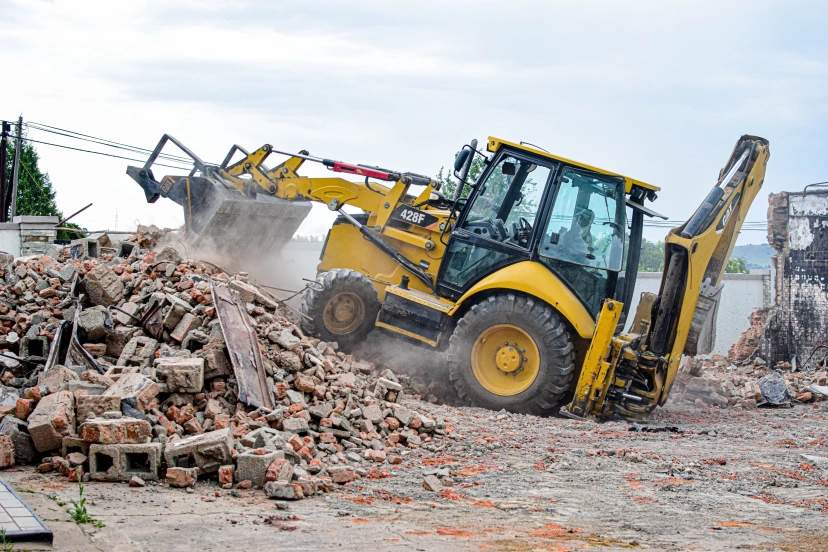
Every demolition site deals with a common problem. Contractors need a tool that finishes the work quickly and neatly. You might choose a hydraulic breaker hammer. Or, you might pick a hydraulic pulverizer. The contrast between these two is not merely mechanical. It is highly strategic. Picking the correct excavator attachment changes everything. It dictates how fast a building comes down.
What Is a Hydraulic Breaker Hammer?
A hydraulic breaker hammer is a heavy-duty excavator attachment. Manufacturers build it to deliver massive impact energy. This force easily breaks tough materials. These include solid rock, thick reinforced concrete, and rigid asphalt. The tool operates much like a giant industrial chisel. Fluid pressure drives its movements. It strikes the ground repeatedly. These constant hits split solid surfaces into tiny pieces.
You will frequently spot this tool on road building sites. It smashes old pavement before new paving starts. The design of the breaker centers entirely on blunt force. It sends raw, focused power straight through a moving piston and a sharp chisel point. Operators choose it whenever quick results and strong hits matter more than careful exactness.
What Is a Hydraulic Pulverizer?
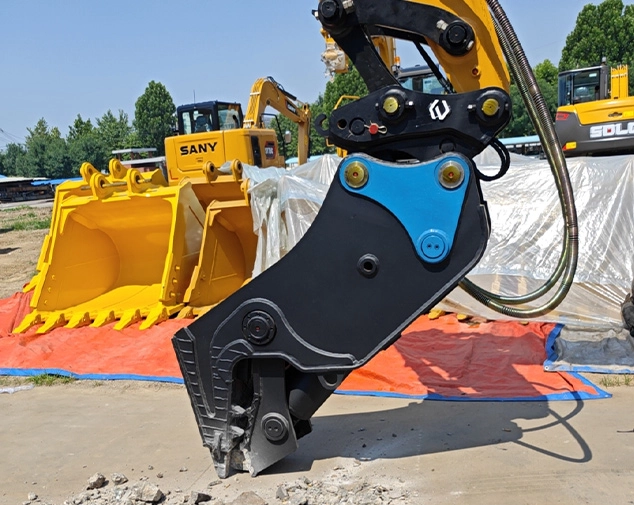
A hydraulic pulverizer handles a totally different job during the teardown process. It does not smash buildings with heavy impacts. Instead, it squeezes and crushes concrete waste. The strong jaws of the pulverizer grab large blocks of concrete. They squeeze these blocks tightly until the material falls apart. This action cleanly separates hidden steel rebar for easy recycling.
This specific tool excels at secondary demolition tasks. It clears out messy piles of debris. It also readies leftover materials for safe disposal or future reuse. Furthermore, it works safely near standing buildings. In these spots, careful handling is much more important than pure strength. The device transforms messy heaps of rubble into neat, sorted piles.
When Should You Choose a Hydraulic Breaker?
Picking the right tool relies on your current project phase. The breaker is the best choice at the very beginning.
Which Projects Benefit from a Hydraulic Breaker?
In active stone quarries, this tool safely replaces dangerous explosives. Workers use it to crack rocks carefully near towns or vital utility lines. During deep trenching tasks, it cuts cleanly through hard rocky ground. It does this without ruining the dirt walls nearby. Sometimes, project schedules are very strict. Any delay wastes valuable money. In those moments, the rapid hitting speed of the breaker solves the problem.
Key Advantages of Using a Hydraulic Breaker Hammer
The primary benefit is its steady, reliable power. The driver does not need to work too hard to get great results. This tool cuts down heavy manual labor by a huge amount. At the same time, it speeds up the entire job schedule. Fast work is vital when contracts fine you for late finishes. Flexible mounting brackets add great value. They allow these breakers to fit many different excavator models. You can attach them to small machines or massive diggers in open-pit mines. In the real world, a single well-kept breaker handles many different tasks. You just swap out the chisel bit. Or, you simply change the fluid pressure settings.
When Should You Choose a Hydraulic Pulverizer?
The main teardown eventually finishes. After that, large mounds of shattered concrete stay on the ground. At this point, changing to a pulverizer is a very smart move.
Why Use a Pulverizer After Demolition?
The pulverizer changes rough waste into neat, sorted piles. This makes the scrap much simpler to move and recycle. Squeezing the trash into tiny bits lowers the total hauling volume. It also leaves the work area looking much cleaner. Today, property owners constantly ask for tidy sites. They want better safety and greener building methods. The tool also removes specific building parts very carefully. It does not shake or harm the walls next door. This feature is highly useful during tight city renovations. It also helps during tricky partial teardowns.
Benefits of a Hydraulic Pulverizer Attachment
New pulverizers rely on twin cylinders. These parts create an even, steady crushing pressure across both metal jaws. This design keeps the tool stable, even when gripping odd shapes. Furthermore, the metal teeth are fully replaceable. Swapping them out extends the total lifespan of the tool. It also keeps repair bills steady and easy to plan. Fleet managers often forget this detail, but it remains highly important.
These attachments easily pull steel rebar out of the rocks. They also let workers reuse old materials right there on the site. Because of this, they support green building habits directly. Currently, many builders use crushed concrete as cheap fill dirt. They also use it as a solid road base. This saves them from paying trucks to haul it far away.
How to Decide: Hydraulic Breaker vs Pulverizer?
These two devices do not really fight against each other. Instead, they work together perfectly to finish a job.
What Factors Should You Consider Before Buying?
Are you doing primary or secondary teardown work? If you must knock down whole buildings, pick the breaker hammer. It is also best for punching through thick rock beds. However, your goal might be cleaning up the mess later. If you want to crush and sort leftover scrap, select the pulverizer.
You must also check the toughness of the materials on your site. Then, look closely at the details of your machine. You need to know the weight class of your carrier. You must also check the fluid flow rate and the mounting setup. All these details change how well the excavator attachment performs.
Can You Use Both Attachments Together?
Many veteran builders do exactly this. They use both tools back-to-back during a single job. First, the breaker takes down the main building. After that, the pulverizer enters the scene. It handles the final cleanup and prepares the scrap for recycling.
This smart pairing boosts daily output during every project step. It also stops heavy machines from sitting idle. Some job sites are extremely difficult. They also have very tight schedules. On these sites, switching between the two tools is a great idea. It frequently saves expensive fuel. It also cuts down on costly worker hours.
Choosing the Right Excavator Attachment Partner: Why Kingho Technology?
Locating a trustworthy gear supplier is extremely important. It matters just as much as picking the correct tool. Kingho Technology focuses on making tough hydraulic attachments. Their product list includes breakers, pulverizers, grapples, and metal shears. The company crafts each item from ultra-strong steel parts. Workers build these tools to survive terrible weather and rough use. They easily handle the worst conditions found in deep mines or massive building zones.
FAQ
Q1: Can one excavator use both attachments interchangeably?
Yes, it is entirely possible. Your machine simply needs the right fluid setup. It must have fast couplers. Or, it must feature adjustable flow dials. These parts must match the unique needs of both tools.
Q2: Does using a pulverizer require special operator training?
Standard training is usually enough. Drivers just need to know basic safety rules. However, learning to control the jaw pressure perfectly is very helpful. This extra skill boosts work speed greatly during careful, selective teardowns.
Q3: How often should teeth on a hydraulic pulverizer be replaced?
The swap schedule changes based on rock toughness. Normally, you change them after a few hundred hours of hard work. Checking them often stops sudden breakdowns and costly delays.
Q4: Are breakers suitable for underwater operations?
Yes, builders make special sealed versions for this exact job. Workers use them to smash submerged rocks. They help with river digging and busy port repairs. You must always read the factory manual before putting them in the water.
Q5: What maintenance routine extends attachment lifespan most effectively?
You should check the grease levels every single day. You must also set the gas pressure correctly for breakers. Always change dull teeth quickly on pulverizers. Finally, you must keep the machine fluid perfectly clean. All these steps protect the tool and ensure a long, busy life.