
5 Signs It’s Time to Replace Your Excavator Attachment
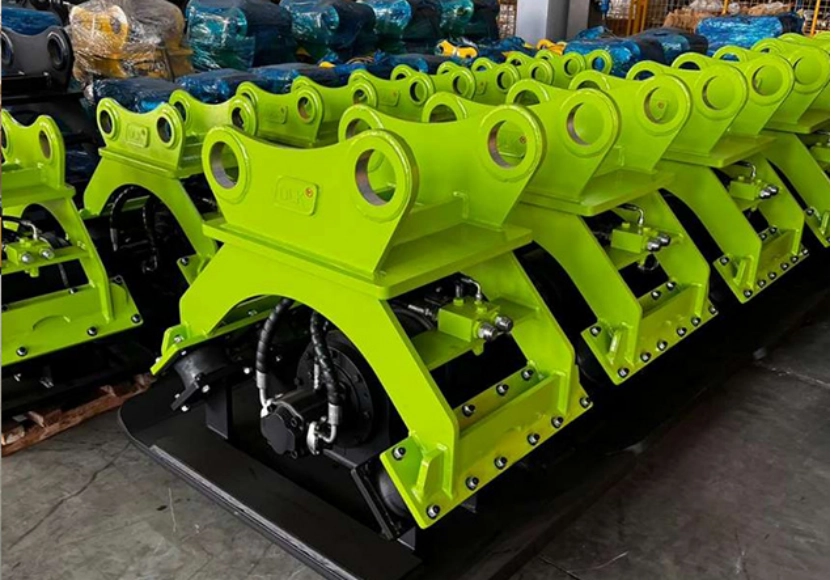
An excavator attachment rarely breaks down all at once. Instead, it wears out little by little. People often miss this wear until the machine’s performance drops. Sometimes, safety hazards show up first. The main goal is to spot these early warning signs. Then, you can take action before a breakdown stops your project.
Why Timely Replacement Matters for Performance and Safety
Using an old, worn excavator attachment hurts both your speed and your safety. A bucket tooth might get dull. A hydraulic breaker might lose its power. When this happens, the operator usually pushes the machine harder. They might also run longer work cycles to get the job done. This extra effort wastes fuel. It also puts more stress on the equipment and raises the chance of a breakdown. Checking your gear regularly is not just basic upkeep. It is a smart way to manage risks.
How to Evaluate the Condition of Your Excavator Attachments
The clearest clue is how the machine performs. Digging might feel slow. Your cycle times might take much longer than normal. These issues mean something is wrong. You should compare your current results with the original factory numbers. This step helps you track wear and tear over the months. Visual inspections are just as helpful. Check the metal for cracks. Look closely for fluid leaks. Listen for strange sounds while the machine lifts heavy loads. If you ignore a tiny hydraulic leak today, it can ruin the whole system by tomorrow.
Sign 1: Excessive Wear on Bucket Teeth and Cutting Edges
Tough digging jobs wear down solid steel much faster than people think.
What Does Tooth Wear Indicate?
Bucket teeth can become rounded or even snap off. This damage stops the bucket from cutting deeply into dirt or rock. As a result, the excavator uses extra power and burns more fuel. Even worse, it moves less dirt in the process. Harsh work sites, like stone quarries or demolition zones, speed up this damage a lot. The cutting edge eventually loses its sharp shape. When this happens, the digging force shifts to the machine’s arm and linkage parts. Fixing those large parts costs much more than buying new teeth.
How Often Should You Replace Bucket Teeth?
You should check the teeth every week if you work in rocky areas or handle demolition tasks. These sites create massive impact forces. You need to buy replacements as soon as the tooth shape looks uneven or dull. If you keep digging with flat teeth, the whole machine will shake more. This extra vibration causes serious structural stress from top to bottom.
Sign 2: Cracks or Deformation in Hydraulic Breaker Housing
Hydraulic breakers handle constant, heavy shaking. Because of this, the metal gets tired quickly if you skip regular upkeep.
Why Are Structural Cracks a Warning Sign?
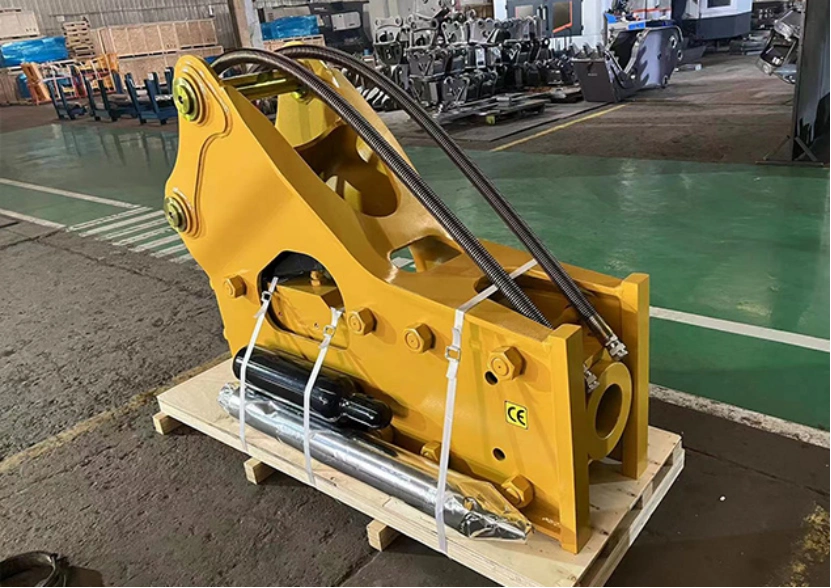
Cracks usually appear near welded seams or attachment points. These lines prove the metal is suffering from fatigue. This damage comes from endless shaking or bad greasing habits. Sometimes the outer shell bends out of shape. This bending pushes the internal pistons and valves out of line. Bad alignment leads to dropped pressure and spilled oil. Ultimately, your breaker loses its hitting power. If you ignore these obvious flaws, the tool might break apart completely while you are working.
What to Do When You Notice Cracks?
You must stop using the breaker the second you see a crack. Every single hit will make the hidden damage worse. Call the maker to have them look at the tool. A welder can fix some minor surface lines. However, deep bending in the frame is different. In those cases, buying a whole new unit is safer. It also saves you money in the long run.
Sign 3: Reduced Gripping Force in Grapples and Shears
Tools used for moving materials show their age differently. They lose their tight grip before they show broken parts.
How Can You Tell When a Grapple Is Losing Efficiency?
Heavy logs might slip while you lift them. Piles of scrap metal might twist around without warning. These slips mean the hydraulic pressure is probably falling below the normal level. Old pivot pins are a common cause. Stretched bushings or bad cylinder seals also create this problem. You should swap out these small parts. If the tool is too old, replace the entire attachment. This fix brings back your exact control. Precise movement is vital for demolition and recycling jobs. In those fields, accuracy is just as important as raw power.
What Are Common Causes of Hydraulic Weakness?
Dirty hydraulic oil ruins rubber seals over the months. Tiny pieces of dirt scratch the smooth metal surfaces. These parts need to stay perfectly clean to hold pressure. Also, running the tool under high pressure without enough grease is bad. This habit speeds up the internal damage. Soon, you will easily notice the tool cannot grab things tightly anymore.
Sign 4: Slow Cycle Times in Compactors and Pile Drivers
Speed is everything when you use compactors and pile drivers. Any drop in pace means you lose valuable time on the job site.
Why Does Reduced Speed Matter?
A compactor might take twice as long to finish one pass. This delay points to worn-out parts inside the hydraulic motors or the control valves. A slower shaking speed leaves the soil too loose. This poor packing ruins the foundation quality for strict building projects. Slow pile-driving work also messes up the daily schedule. On massive road or bridge jobs, perfect timing is crucial.
How to Measure Performance Decline?
You need to check your current cycle times against the original factory numbers. Good operators measure the vibration speed every single day. This habit helps them find tiny changes very early. A drop of just a few hertz is a warning. It often means the seals inside the main motor are starting to fail.
Sign 5: Frequent Hydraulic Leaks Around Quick Couplers or Cylinders
Fluid leaks create a huge mess, but they are also helpful clues. They show you that the system is getting old before it breaks completely.
What Do Persistent Leaks Indicate?
Broken seals and stiff hoses are clear warnings. Old connectors also show that the attachment cannot hold its fluid properly anymore. Non-stop drips waste expensive oil. They also drop the system’s working pressure, which hurts the machine’s digging power. Furthermore, spilled fluid creates serious environmental dangers on your job site.
When Should You Replace Instead of Repair?
Sometimes, the drips continue even after you change the seals several times. When this happens, buying a brand new attachment saves more money. It beats paying for endless small repairs. Modern excavator attachments feature much better sealing designs. This new technology cuts down on repair needs and stops fluid loss. You should think about this upgrade when you plan your long-term equipment budget.
How Kingho Technology Supports Your Equipment Lifecycle
Kingho Technology offers a complete line of excavator attachments. This lineup includes breakers, grapples, shears, compactors, and pile drivers. They build these tools for many different working conditions. The company gives expert advice to help you choose the right model. They make sure the tool matches your machine’s weight class and your specific job. Every product passes strict toughness tests. This ensures they survive heavy-duty tasks in demolition, building, and recycling yards. Kingho Technology focuses heavily on matching the exact machine size with the correct tool type. This careful matching guarantees the best results and stops early breakdowns. Many people ignore this step, but it is deeply important for keeping your work running smoothly at any site.
FAQ
Q: How long does an excavator attachment typically last?
The lifespan depends on how hard you use it and what materials you handle. Heavy demolition work ruins tools much faster than basic dirt digging does.
Q: Can worn attachments be reconditioned instead of replaced?
You can fix some of them. For instance, a welder can add fresh steel plates to fix bucket edges. However, deep frame cracks in breakers usually mean you must buy a new unit.
Q: Does using non-OEM parts affect performance?
Yes, it does. Different steel hardness or a bad fit will cause trouble. These issues quickly damage nearby parts, like your pins and bushings.
Q: How often should attachments be inspected?
You need to check them every week if the work site is very harsh. A monthly look is fine for simple jobs with soft dirt.
Q: What’s the best way to extend attachment life?
Add grease on a strict schedule. Check your fluid pressure often. Finally, swap out the small worn parts before they break the main frame.