
Your 2026 Checklist: How Often to Inspect and Test Lifting Equipment
Keeping your job site running smoothly in 2026 means you can’t afford a breakdown when you’re mid-shift. If you are using heavy-duty excavator attachments, specifically specialized gear like the Kingho Technology Hydraulic Magnet Lift, you already know these tools are the backbone of your scrap yard or demolition site. Guangdong Kingho Technology has spent over a decade building a reputation for “customer-oriented” gear that actually holds up under pressure.
But even the toughest manganese steel isn’t invincible. To keep your gear safe and your profits steady, you need a realistic inspection schedule that fits into a busy workday.
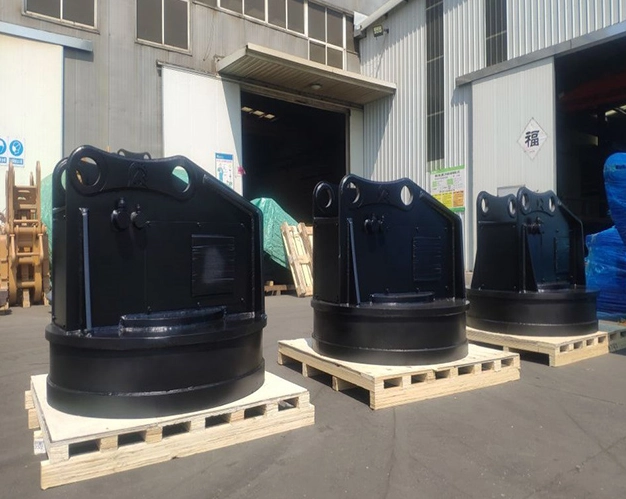
Why Is the Inspection Frequency Critical for Hydraulic Magnets?
If you’ve ever had a magnet quit on you while hovering over a pile of scrap, you know why timing matters. For the Kingho models, it’s not just about the magnetic pull; it’s about the complex hydraulic-to-electric conversion happening inside.
Prevention of Costly Pipeline Maintenance
The standout feature of Kingho’s magnet is its semi-permanent design which aims to cut down on those annoying pipeline maintenance costs. Because the power comes from an onboard hydraulic generator, you don’t have to mess with extra electrical wires across your excavator. Checking the unit regularly keeps this “all-in-one” system from getting gummed up with dirt or air bubbles, which saves you a massive headache—and a huge repair bill—later on.
Integrity of High-Strength Manganese Steel
Kingho builds these lifts using Q345 manganese plate steel. It’s great stuff—high strength and naturally resistant to corrosion. However, “resistant” doesn’t mean “bulletproof.” Frequent walks around the equipment help you spot hairline cracks or deep gouges from sharp scrap metal before they turn into structural failures that could drop a load unexpectedly.
Reliability of Integrated Hydraulic Generators
Since these units use hydraulic generators to drive power without needing extra installations on your machine, the generator is the heart of the tool. If the flow or pressure from your excavator drifts out of spec, the magnetic force can weaken. Testing the lift capacity every few weeks helps make sure your “plug-and-play” setup stays as strong as the day you bought it.
Most guys think they can just hook it up and forget it, but a little bit of foresight goes a long way. Moving from the “why” to the “how,” let’s look at what your calendar should actually look like if you want to stay compliant and safe.
How Often Should You Perform Routine Safety Checks?
Safety isn’t a one-time thing you do when the inspector shows up. It’s a habit. At Kingho, where they’ve pushed for ISO9001 and CE certifications, they know that quality starts with the operator.
Daily Visual Inspections Before Operation
Before you even hop in the cab, give the magnet a once-over. Check for any leaks at the hydraulic hose connections and make sure the pins—usually made of 42CrMo alloy steel in Kingho gear —are sitting right and haven’t worked their way loose. It takes five minutes, but it catches 90% of the problems that end up causing downtime halfway through the morning.
Monthly Detailed Technical Evaluations
Once a month, you really need to look at the performance. Is the magnet taking longer to “engage” than it used to? That’s a sign the hydraulic motor or generator might need a tune-up. Since Kingho uses high-end components like imported oil seals, they don’t fail often, but checking the seals for weeping or wear once a month is just smart business.
Annual Professional Certification and Load Testing
Every year, you’ve got to do the “official” stuff. This isn’t just for the paperwork—though staying in line with Kingho’s high-tech enterprise standards is important. You should perform a controlled load test to verify the magnet is hitting its rated capacity. If your 20-36 ton excavator is struggling to lift what it used to, it’s time to look at the hydraulic pressure (usually around 210bar) or the generator output.
Now, while the schedule keeps you on track, knowing what to look at is just as important. Some parts of these magnets are tougher than others, and a few specific spots need your attention more than the rest of the unit.
What Are the Key Maintenance Points for Kingho Magnets?
The beauty of the Hydraulic Magnet Lift is how it simplifies your life by removing the need for an external power source. But that means the internal parts are working double-time.
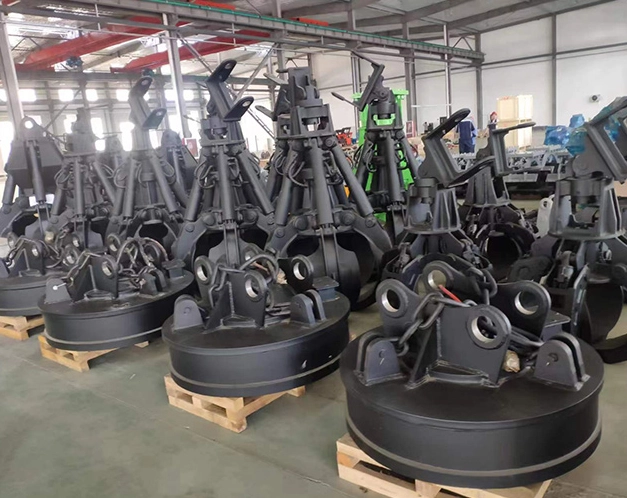
Maintenance of the Semi-Permanent Design
The semi-permanent setup is a huge win for reducing the mess of cables, but it means the internal hydraulic motor needs clean oil. If your excavator’s hydraulic fluid is dirty, it’s going to chew up the generator’s internals. Keep your filters fresh and your oil clear, and this design will probably outlast the excavator it’s attached to.
Protection Against Material Corrosion
Even though the Q345 steel is tough against rust, if you’re working in a port or a rainy yard, the metal can still take a beating. After a particularly messy job, spray the magnet down. Removing built-up grime and salt keeps the manganese steel in top shape and prevents the “pitting” that eventually leads to cracks.
Optimization of the Hydraulic Drive System
The hydraulic drive is what makes the Kingho magnet “intelligent equipment”. To keep it running right, check that your flow rates are staying above the recommended 120L/min. If the flow drops, the generator won’t spin fast enough, and your magnetic grip will feel “lazy.” It’s an easy fix—usually just a valve adjustment—but you won’t know to do it unless you’re checking.
FAQs
Q1: Can I use the Kingho Hydraulic Magnet on any excavator?
A: Mostly, yes, as long as your machine is in the 20-36 ton range. You just need to make sure your hydraulic system can handle the flow (usually 120L/min or more) and has a standard 210bar pressure. Since it doesn’t need a separate electric line, it’s much easier to swap between different machines in your fleet.
Q2: What makes the “semi-permanent” design better than a standard magnet?
A: Standard magnets usually need a generator installed on the excavator’s engine and a bunch of heavy cables running down the arm. Kingho’s design puts everything inside the attachment. This “semi-permanent” approach cuts down on maintenance costs for the machine’s own wiring and makes the whole setup much more reliable in rough environments.
Q3: How do I know if the Q345 steel on my magnet is still safe?
A: Look for “fatigue signs”—things like surface flaking, deep rust spots, or cracks around the weld points. Kingho uses manganese plate steel because it’s high-strength, but if you see anything deeper than a surface scratch, you should have it professionally inspected. Catching it early is the difference between a quick weld repair and a total replacement.