
Why Do Excavators Use Hydraulics And How Does A Hydraulic Rock Hammer For Excavator Improve Performance
Excavators play a big role in nearly every major construction and demolition project. If you have ever watched a work site where rocks or concrete get removed quickly, you probably noticed how smoothly the machine moves, almost like it’s dancing over the ground. That’s hydraulics at work. It gives power, fine control, and flexibility that older mechanical systems simply can’t match. For anyone who wants reliable performance, Kingho offers a variety of attachments that fit many excavator types. Their range includes strong, long-lasting tools used in city construction, mining, and scrap handling. Among them, the Hydraulic Breaker Hammer can crush hard rocks, concrete slabs, and demolition debris with little fuss.
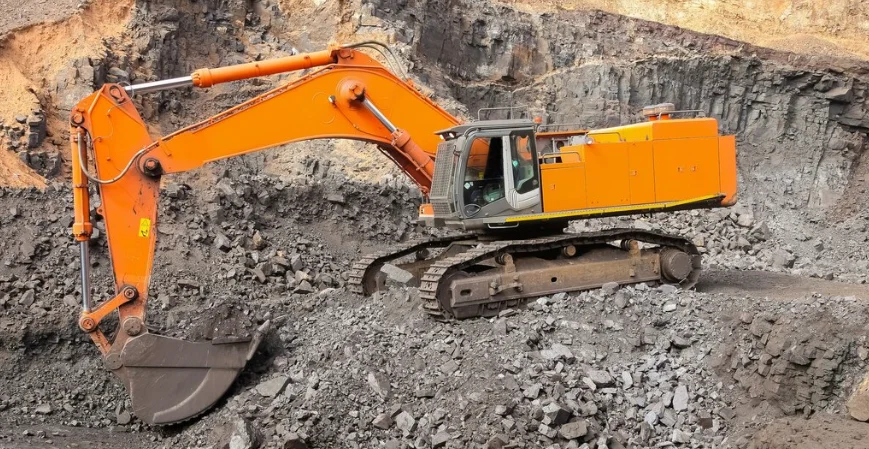
Why Do Excavators Rely On Hydraulics Instead Of Mechanical Systems?
Hydraulics make excavators far more flexible. If you try a purely mechanical setup for moving rocks or digging soil, it soon feels clunky. The motion is uneven. The operation slows down. Parts wear out quickly. Hydraulics provide steady force, so the machine lifts heavy material and adjusts its movements without hesitation. On a busy site, this difference can mean finishing on time rather than being stuck halfway through a task.
Hydraulic Systems Provide High Power Density
Hydraulic systems squeeze a lot of power into a small space. That lets excavators lift tons of debris without huge engines. Even in cramped urban spots, you can move heavy loads without lugging around a massive machine.
Smooth And Precise Operation
Hydraulics allow precise movement. Position a bucket to scoop gravel or handle a breaker hammer, and the fluid system responds to tiny adjustments that mechanical parts cannot. It’s almost like the machine knows what you want to do next.
Reduced Maintenance And Longer Equipment Life
Fewer moving parts rubbing against each other mean less wear. Hydraulics spread the stress evenly. That keeps the excavator working longer and reduces downtime for repairs. Operators often notice that the machine seems less “tired” after a long day compared to older, non-hydraulic setups.
How Does A Hydraulic Rock Hammer For Excavator Boost Productivity?
Manually breaking rocks or reinforced concrete is tiring and slow. A hydraulic rock hammer transfers energy efficiently, so work gets done faster. You can tackle tough demolition without constantly moving machines around. Even on messy sites, the hammer handles heavy work that would take multiple tools otherwise.
Efficient Rock Breaking And Demolition
The hammer delivers repeated, strong strikes. Walls, concrete blocks, or foundation slabs that might take hours with small tools can be cleared much quicker. On some sites, one hammer can replace several workers, which makes a big difference to schedules.
Compatible With Different Excavator Models
Modern hydraulic hammers fit a variety of excavators, from medium to large machines. Modular designs make switching attachments simple. That’s handy when moving between different tasks or job sites.
High Impact Force With Minimal Effort
Even tough reinforced concrete gives way. The hydraulic system multiplies your force without overloading the machine. You spend less time pushing and more time controlling the hammer precisely. Sometimes, it’s fun just watching a solid slab crumble in seconds, even if the boss isn’t around to see it.
What Are The Key Features Of Kingho Hydraulic Breaker Hammer?
Not all breakers work the same. Kingho’s hammers are built with years of field testing in mind. The design and components make a real difference in durability and performance. They’re made to survive tough jobs that would wreck cheaper tools.
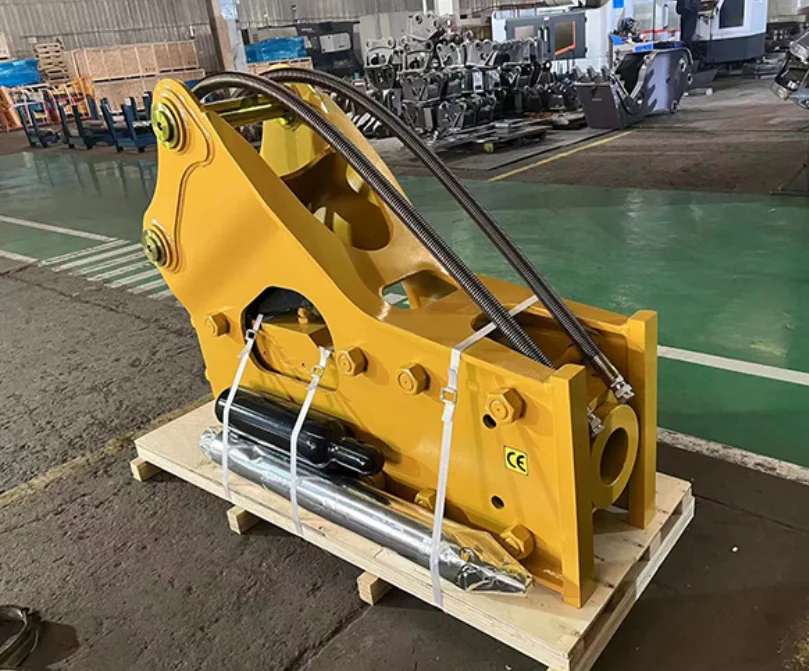
Durable Construction With Wear-Resistant Materials
The hammer uses high-strength steel and parts that resist wear. Teeth and housing take repeated impacts without wearing out quickly. This reduces replacements and keeps machines running longer.
Advanced Hydraulic Cylinder And Sealing System
The cylinders and seals maintain steady pressure and prevent leaks, even under heavy loads. That means fewer interruptions to fix oil leaks and more consistent strikes on concrete or rock.
Easy Installation And Quick Attachment Change
The mounting system allows fast setup. You can move the hammer between machines in minutes, keeping work moving. On tight schedules, this small time saver adds up quickly.
How Can Hydraulic Breaker Hammers Save Time And Cost On Site?
Time is money. A hammer that works fast directly cuts labor costs and project duration. It reduces wear on machines and removes the need for extra secondary tools. On some old-school sites, people still bring out sledgehammers. It’s slow, messy, and honestly a bit funny to watch next to a hydraulic hammer.
Faster Project Completion With High Efficiency
Walls, slabs, or foundations break quicker thanks to repeated high-powered strikes. One hammer can replace several manual tools. That translates into faster project completion and fewer delays.
Lower Labor Costs And Reduced Manual Work
Operators handle heavier material without extra help. That reduces the need for multiple crew members. Labor expenses drop, and fewer hands get tired or injured.
Minimized Equipment Downtime
Durable parts and reliable hydraulics prevent constant stops for repairs. Machines spend more time working and less time waiting for maintenance.
Why Should Buyers Choose Kingho Hydraulic Breaker Hammer?
When picking attachments, durability, reliability, and support matter most. Professional-grade hammers show their worth in demanding conditions. A lot of cheaper tools fail mid-job, but Kingho’s equipment keeps going.
Proven Quality With International Certifications
Kingho products meet international standards, so performance is consistent even under heavy-duty operations. You can feel confident putting them on a busy job site.
Wide Product Range And Customization Options
Projects need different hammer sizes and power levels. Kingho offers options for small to large machines. You can pick the right fit for your task without compromise.
Reliable After-Sales Support And Service
Technical guidance, spare parts, and service advice keep hammers operating at top condition. When issues pop up, having support ready is a huge relief. Sometimes a simple tip from the team saves hours of troubleshooting.
How Does Hydraulic Technology Improve Safety During Excavation?
Heavy work has risks. Hydraulics reduce hazards by controlling force smoothly. Sudden jolts that might tip a machine or send debris flying are less likely.
Controlled Force Reduces Risk Of Accidents
The hammer strikes with measured energy, avoiding unexpected rebounds or damage. Workers and nearby machines are safer. You might even notice less dust kicked up compared to older setups.
Stable Operation On Uneven Terrain
Excavators stay steady even on slopes or gravel. Hydraulics adjust force dynamically, so the machine doesn’t wobble. That’s a comfort when working on rough ground or in wet conditions.
Less Strain On Operators And Equipment
Reduced vibration and smoother movements let operators work longer with less fatigue. The machines also experience less stress, prolonging their life and saving costs on repairs.
What Maintenance Practices Ensure Long Life For Hydraulic Breaker Hammer?
Simple care extends service life and cuts costs. The trick is regular checks and timely part replacement. No fancy procedures needed, just common sense and attention to key points.
Regular Inspection And Lubrication
Check cylinders, seals, and hammer points often. Keep moving parts oiled to reduce friction. A little maintenance goes a long way, especially after long shifts.
Timely Replacement Of Wear Parts
Teeth, pins, and seals wear down after repeated impacts. Replacing them on time prevents bigger damage to the hammer. Many operators keep spares on-site just for this reason.
Professional Support From Kingho Service Team
If problems arise, Kingho’s service team can help with guidance, parts, or hands-on advice. Their support keeps machines working at top performance and avoids long delays.
FAQ
Q1: How Often Should A Hydraulic Breaker Hammer Be Serviced?
A: Inspect every few weeks or after 200-300 operating hours. This keeps performance steady and safety high.
Q2: Can A Hydraulic Rock Hammer Fit Any Excavator Model?
A: Most fit medium to large excavators. Check flow rate and mounting first to be sure.
Q3: What Materials Can A Hydraulic Breaker Hammer Handle?
A: Hard rock, reinforced concrete, and demolition debris. Wear-resistant construction lets it take heavy duty jobs.