
What Size Bucket Is a Standard Excavator and Which Types of Digger Bucket Perform Best
Excavators are the backbone of today’s construction and mining work. The bucket on the arm often decides how quick, safe, and clean the job turns out. Bucket size is always a common question, since it changes how well your machine performs. If the bucket is too small, you burn extra fuel and waste hours. If it is too big, you push the machine too hard. Picking the right bucket style is just as important, because each ground condition calls for a different tool.
For anyone looking for reliable attachments, Kingho Attachments has earned strong trust in this field. After more than ten years of steady growth, the company has become a key maker of excavator tools. They build not only buckets but also hydraulic breakers, shears, grapples, and other gear used in city works, ports, mining jobs, and car dismantling yards. The factory holds global certificates such as ISO9001 and CE. This means quality and long service are proven in practice, not only words. You can check the full product list on their product page, or learn about service, company profile, and news from the official site. If you need direct help for a project, the contact page gives you a fast way to reach them.
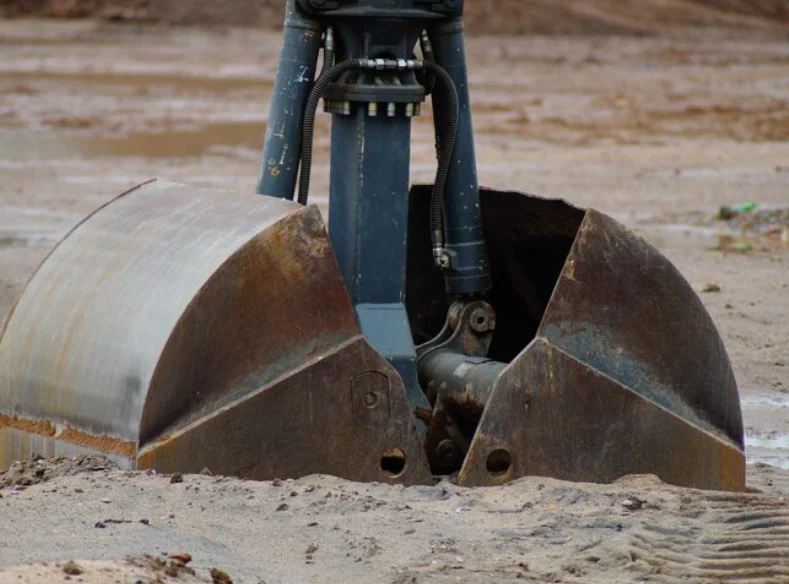
What Size Bucket Is a Standard Excavator?
The term “standard bucket size” often points to a range rather than one exact number. For mid-sized excavators, commonly between 15 and 30 tons, the general bucket capacity falls around 0.8 to 1.2 cubic meters. This capacity handles soil, gravel, and light rock efficiently without straining the machine’s hydraulics. The bucket width usually sits between 1 and 1.5 meters, giving a balance between digging depth and load volume.
Standard Capacity and Dimensions
Industry practice shows that a 20-ton excavator usually pairs with a bucket in the 1 cubic meter class. This provides enough volume for construction earthmoving while keeping cycle times short. Buckets designed with reinforced steel edges add service life even in abrasive soil.
Variations by Excavator Tonnage
A 10-ton machine may only carry a 0.4 cubic meter bucket, while a 35-ton model can manage more than 1.5 cubic meters. This variation is not just about size, but also about safe hydraulic flow and pressure. Using an oversized bucket leads to faster wear of pins and bushings, which any operator wants to avoid.
Why Bucket Size Matters for Productivity
The right bucket size improves digging cycles and reduces idle time. On a tight urban site, a smaller bucket might give you faster maneuvering, while in open ground, a bigger one pays off with fewer passes. Contractors often switch buckets depending on the task, which is why quick hitches have become so common.
How Do Earth Buckets Perform in Daily Excavation?
When the ground is mostly soft soil, clay, or sand, the earth bucket is the workhorse. Its general-purpose design makes it the first choice for site preparation and trenching.
General Purpose Earthmoving Solution
Earth buckets are built for normal digging and loading. They usually feature a curved shape that lets the material flow smoothly, reducing resistance. Teeth are spaced evenly to cut into soil with less effort.
Kingho Earth Bucket Features and Benefits
The Earth bucket from this supplier uses high-strength steel for the sides and bottom. The wear resistance is important because even soil contains gravel and small rocks that wear down thin metal quickly. The design is simple, but that is its advantage—less weight and lower fuel use.
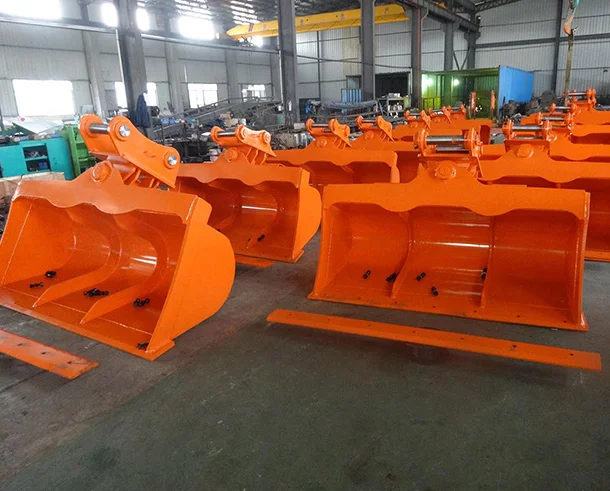
Best Projects for Using Earth Buckets
From building foundations to landscaping, earth buckets serve daily needs. Many contractors keep multiple earth buckets on site because they handle most of the routine jobs.
What Makes Shell Buckets Efficient for Handling Materials?
Some projects involve more loading than digging. Ports, warehouses, and bulk material yards rely on shell buckets because they carry large volumes in fewer cycles.
High Volume Loading and Unloading
Shell buckets have a clamshell-like design that allows fast filling and emptying. They can scoop light but bulky material such as sand, coal, or wood chips.
Kingho Shell Bucket Quality and Reliability
The Shell bucket offered in this range is made with wear-resistant steel and a double-cylinder design. This gives smoother opening and closing, which saves time when loading ships or rail cars.
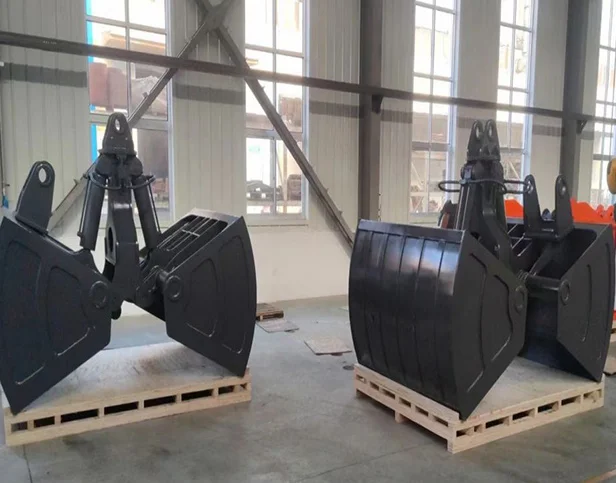
Ideal Uses in Ports and Bulk Material Operations
Ports often handle thousands of tons daily. A shell bucket cuts down on cycle time by carrying more per load, which keeps conveyors and trucks moving without delay.
How Do Clamp Buckets Improve Excavator Versatility?
A clamp bucket combines digging and gripping in one attachment. On complex job sites where material is irregular, this versatility saves money and time.
Gripping and Holding Capabilities
The clamp bucket can hold onto loose debris like logs, rocks, or scrap. The clamping arm keeps the load steady, which helps when moving awkward materials.
Kingho Clamp Bucket Structural Strength
The Clamp bucket uses high-strength steel and a hydraulic system that provides reliable clamping force. Its design reduces spillage when carrying uneven loads.
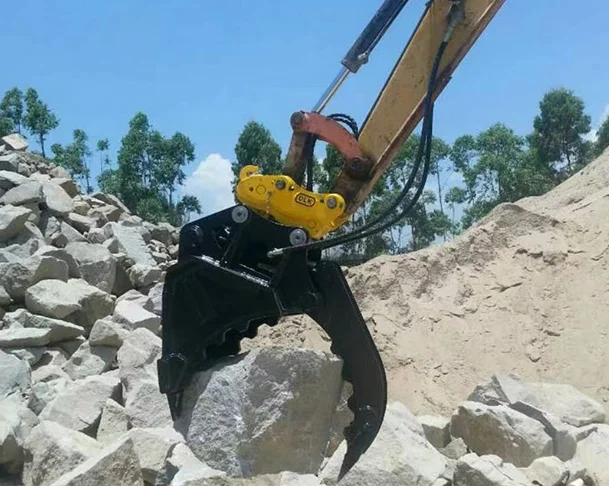
Performance in Complex Job Sites
On demolition sites, clamp buckets move broken concrete. On forestry projects, they grab logs. The ability to dig and then hold the material without switching tools is the main advantage.
Which Types of Digger Bucket Offer the Best Value?
Contractors often ask which bucket saves the most money in the long run. The answer depends on matching the right bucket to the job rather than picking one universal solution.
Comparing Earth, Rock, Shell, and Clamp Buckets
Earth buckets cost less and handle daily work, rock buckets resist wear in tough ground, shell buckets boost speed in bulk loading, and clamp buckets add flexibility. Each fills a role.
Matching Bucket Type with Excavator Size
A 20-ton excavator works well with either earth or rock buckets, while smaller excavators benefit from lighter buckets to avoid fuel waste. Shell buckets are usually seen on larger machines where high volume transport is needed.
Why Kingho Provides Cost-Effective Solutions
The company designs products with modular structures, meaning faster attachment changes. This reduces downtime, which in practice saves more money than the initial price difference between bucket types.
How to Choose the Right Excavator Bucket for Your Project?
The final choice of bucket depends on your job site conditions, the machine you operate, and the type of material you need to move.
Assessing Job Site Requirements
Look at the material: soil, rock, sand, or mixed debris. Each requires a different bucket design. Using the wrong one leads to fast wear and wasted fuel.
Considering Excavator Tonnage and Hydraulics
Check the hydraulic pressure and flow of your machine. Oversized buckets can overload the system, while undersized ones slow down work.
Partnering with Kingho for Customization and Support
The company offers custom-built attachments to fit different tonnage classes, with service and spare parts available worldwide. This level of support means you can adjust bucket design to your exact project needs.
FAQ
Q1: What size bucket fits a 20-ton excavator?
A: Around 1 cubic meter capacity is common, balancing productivity with safety.
Q2: Which bucket is best for digging in clay soil?
A: An earth bucket works best because of its smooth digging curve and lighter build.
Q3: What makes a clamp bucket different from others?
A: It combines digging with gripping, allowing you to hold irregular loads without changing attachments.