
Top 5 Maintenance Tips to Extend the Life of Your Hydraulic Breaker
A hydraulic breaker works under constant pressure, shock, and heavy loads. It’s no surprise that even a strong machine can wear out faster than expected if the daily care is not in place. Many contractors now pay closer attention to maintenance because a small habit — like checking oil or greasing the tool — often decides whether the breaker lasts for years or fails halfway through a job. This becomes even more important when the breaker is used with high-duty excavator attachments, such as the Hydraulic Breaker Hammer from Kingho Technology, a manufacturer known in the industry for its steady performance and tough build.
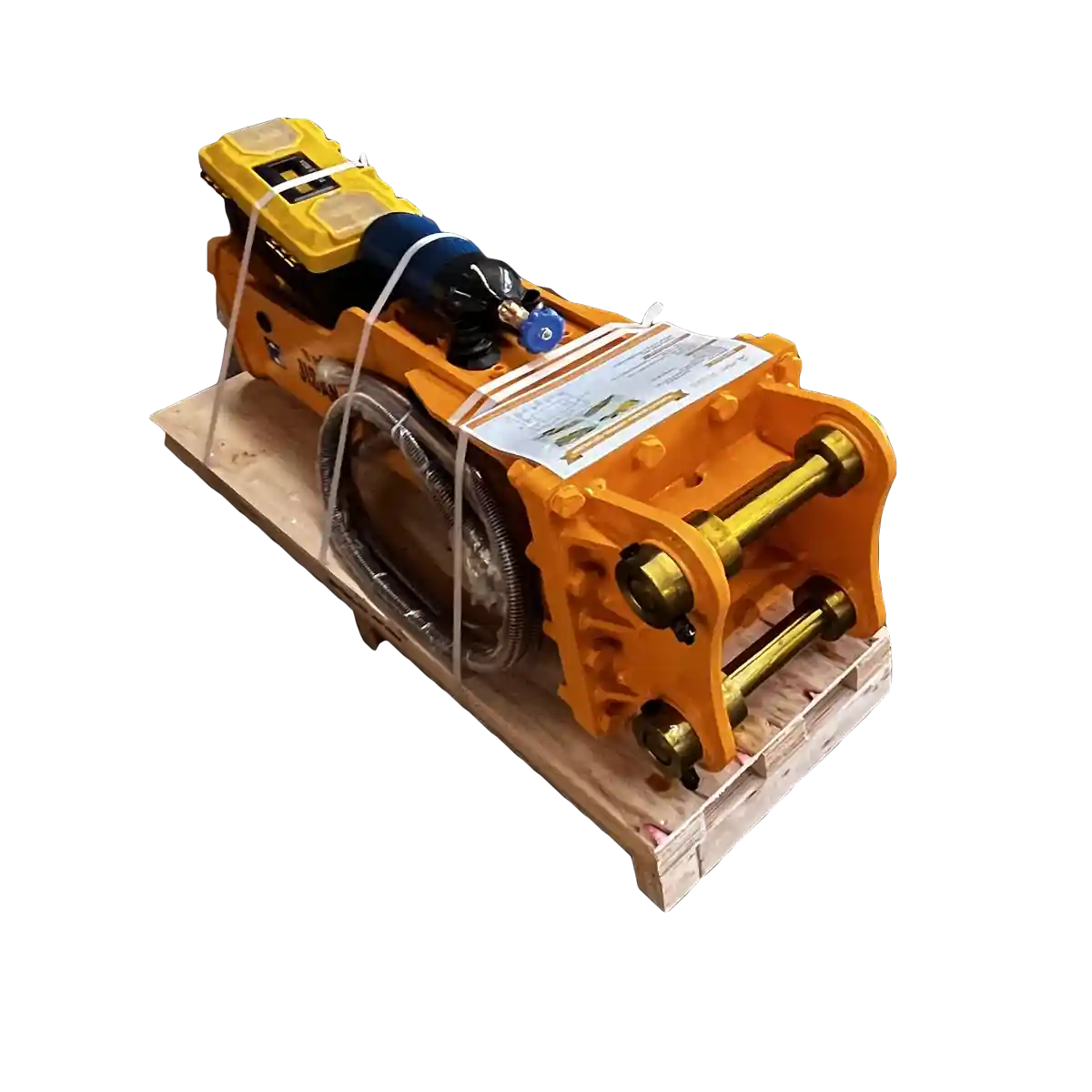
Why Should Regular Inspection Matter for a Hydraulic Breaker?
Before looking at specific care tasks, it helps to understand why routine inspection plays such a big role. A hydraulic breaker depends on many moving parts, and even a small crack or loose bolt can lead to bigger issues if ignored for too long. A short walk-around check before starting work often prevents hours of downtime later.
Early Detection of Component Wear
When operators check the breaker every day, worn bushings, tool pins, or hairline cracks can be spotted early. Many of these signs appear slowly, so they are easy to miss without a habit of checking. If the breaker is a heavy-duty model like the Kingho Hydraulic Breaker Hammer, early detection becomes even more valuable because its internal components are built to last — meaning replacing parts at the right time keeps the whole unit working smoother and longer.
Reduced Risk of Unexpected Downtime
A breakdown during excavation or demolition doesn’t just stop the work. It also pressures the project schedule and may force the team to rent extra equipment. Regular checks help avoid these surprises. A quick look at hoses, mounting bolts, or abnormal noise can catch problems before they grow. It sounds simple, yet this habit saves many operators from expensive delays.
Stable Operation for Kingho Hydraulic Breaker Hammer
Hydraulic breakers rely on clean movement inside the hammer body. When operators keep an eye on the subtle signs — slight vibration changes, slow tool response, or inconsistent blows — they help the breaker keep its natural rhythm. For a unit like Kingho’s breaker, which uses strong steel materials and refined machining, stable operation brings out the best performance during long working hours.
How Does Lubrication Affect Breaker Performance?
Once daily inspection becomes a normal workflow, lubrication is the next major step. A breaker produces intense friction inside the tool holder, and without enough grease, heat builds up quickly. This causes bushings and the tool shank to wear faster than expected. Good lubrication doesn’t take long, but the impact on life span is huge.
Proper Greasing of Bushings and Tool Pins
The contact area between the tool and bushings experiences the highest load. When operators apply the right amount of grease, the tool can slide smoothly and release heat faster. The Kingho Hydraulic Breaker Hammer is designed with large contact surfaces, so proper greasing supports even impact force and reduces the stress on internal parts. Some contractors grease every two hours, while others do it every time the machine stops for fuel. Either way, regularity matters more than frequency.
Consistent Heat Reduction During Continuous Impact
Heat is one of the biggest threats to a hydraulic breaker. Too much heat causes metal fatigue and accelerates bushing wear. A fresh layer of grease works like a protective film. It lowers friction and helps bring the temperature down, especially during long sessions of rock breaking. Even if operators do everything else right, skipping grease for half a day can still shorten the breaker’s overall life.
Optimized Efficiency for Kingho Breaker Tool System
When lubrication is handled well, the breaker simply works easier. The piston moves with cleaner motion, the tool responds faster, and the blows feel more solid. Some users notice that the breaker “sounds healthier” after a fresh layer of grease — an observation that might sound casual but carries truth. Kingho’s tool system is engineered to work reliably under tough conditions, and steady greasing keeps that smoothness over years of use.
What Operating Practices Help Protect the Breaker?
Even with perfect inspection and lubrication, the operator’s technique still plays a major role. A breaker can be strong, but improper operation wears it down quickly. That’s why working habits matter almost as much as mechanical upkeep.
Correct Positioning on the Rock or Concrete Surface
A hydraulic breaker should strike the material at a straight, stable angle. When the tool leans too much, the stress shifts sideways, which can damage the tool and bushings. Placing the tool firmly and keeping the excavator steady helps deliver cleaner blows. With a Kingho breaker, the rigid structure supports strong downward force, but proper positioning still makes the workload more efficient and less damaging.
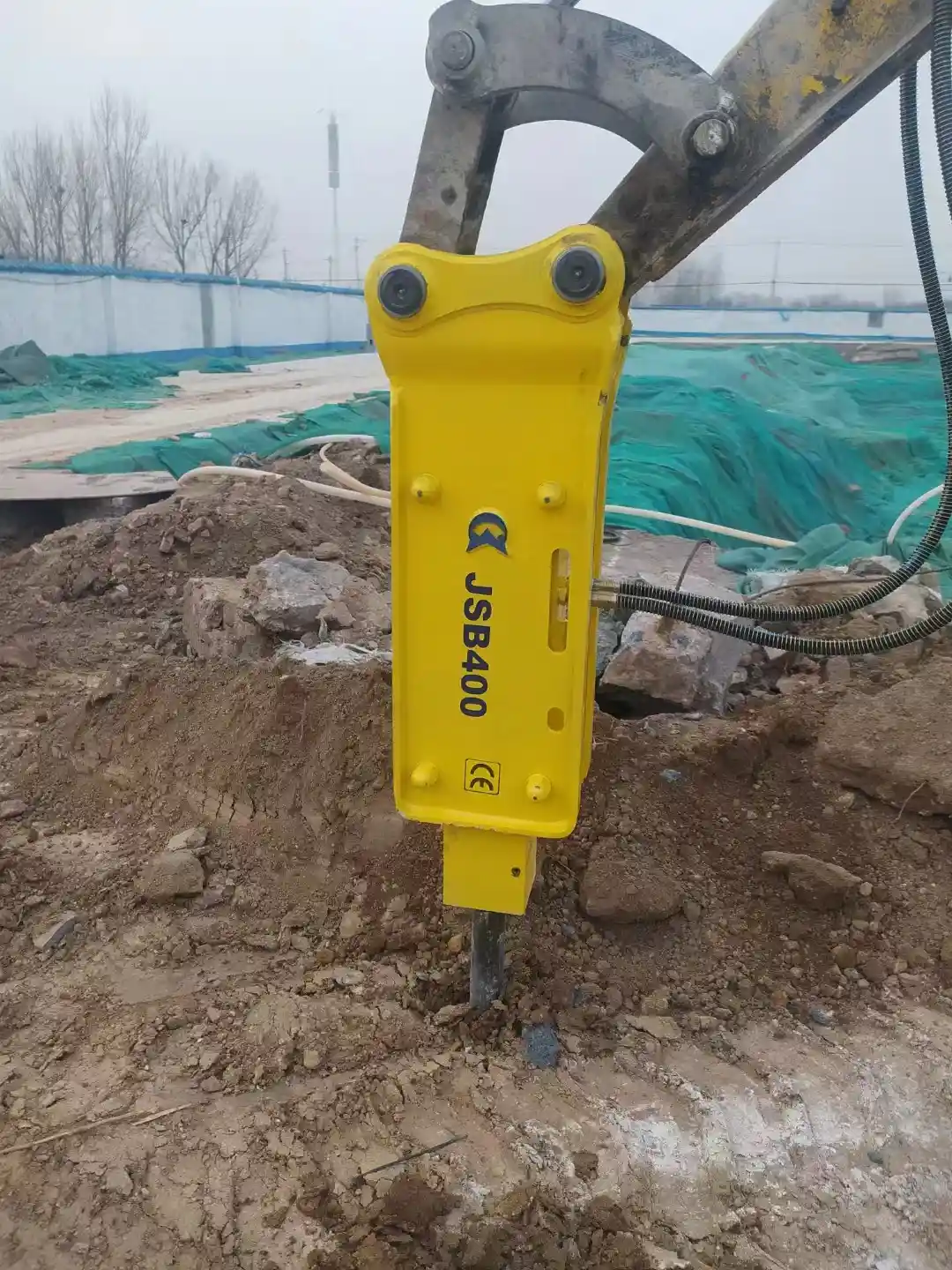
Avoidance of Blank Striking and Side Loading
Blank striking happens when the tool keeps hitting even though the material has already broken or moved away. This wastes energy and causes internal parts to hit harder than they should. Side loading, on the other hand, occurs when the operator pries or pushes with the tool as if it were a lever. Both actions shorten the life of any breaker, no matter the brand. Good operators stop the hammer quickly when the material shifts and reset the tool before the next blow.
Extended Structural Lifespan for Kingho Breaker Housing
By avoiding harmful habits like prying or striking at odd angles, the breaker housing stays stronger for longer. Kingho uses high-strength steel and refined welding across its attachment line, so the structure is built to resist cracks. But even so, clean technique helps the housing keep its shape and avoid stress marks over years of work.
How Can Hydraulic System Management Extend Service Life?
A hydraulic breaker is as strong as the excavator’s hydraulic system. When the pressure or flow is unstable, the breaker cannot hit properly and begins to wear in unusual patterns. Operators who pay attention to hydraulic health usually see fewer failures.
Stable Oil Pressure and Flow Rate Matching
Every breaker model has a recommended pressure and flow range. Matching these values helps the piston move at the correct speed. Too much pressure can damage seals, and too little pressure weakens impact power. Kingho’s breakers are designed for consistent, high-energy strikes, so keeping the excavator settings within range helps deliver smooth, predictable performance.
Clean, High-Quality Hydraulic Oil Usage
Dirty oil brings in debris that scratches internal parts. Over time, this can cause slow-moving valves or clogged passages. Clean oil keeps the system breathing well. Some operators push oil changes too far to save cost, but the small savings rarely outweigh the long-term damage. Fresh hydraulic oil also helps reduce temperature, which supports a longer working life.
Improved Compatibility with Kingho Excavator Attachments
When the hydraulic system runs clean and stable, attachments like the Kingho Hydraulic Breaker Hammer operate closer to their intended performance level. The whole excavator feels more responsive. This also improves compatibility with other Kingho attachments a contractor may use, such as hydraulic shears, rippers, or quick hitches.
What Preventive Steps Reduce Long-Term Repair Costs?
Besides daily care, there are scheduled checks that help reduce repair bills over the years. These steps don’t need to be done often, but keeping them on a simple timeline makes a big difference.
Scheduled Replacement of Wear Parts
Bushings, seals, and tool pins wear slowly, and many operators wait too long to replace them. Swapping these parts early prevents damage to more expensive components. Since wear parts are affordable and easy to replace, most contractors treat them as normal consumables. Kingho provides long-lasting wear parts for its breaker line, giving contractors more working hours before replacements are needed.
Routine Performance Testing of Breaker Energy Output
A breaker’s energy level tells whether the piston is striking with full strength. When the blows feel weak or inconsistent, it may be time to test the hammer’s output. Slow response often points to worn seals or internal leaks. Fixing these early avoids larger mechanical failures.
FAQ
Q1: How often should a hydraulic breaker be greased?
A: Most operators grease every two hours of work or whenever the machine stops for fuel. Heavy jobs may require more frequent greasing.
Q2: Can a hydraulic breaker work with any excavator?
A: It depends on the excavator’s hydraulic pressure and flow. Matching the breaker to the right excavator is important. Kingho offers multiple breaker sizes to fit different machines.
Q3: What signs show that a breaker needs service?
A: Unusual noise, reduced hitting power, oil leakage, or slow tool movement are common signs. Stopping early to inspect the breaker helps prevent bigger damage.