
The Complete Guide to 6 Different Types of Excavator Buckets and Their Applications
Picking the proper Excavator Buckets for your gear stands as the key choice to keep work areas running smoothly. Most drivers begin with a basic scoop tool. Yet, today’s building tasks call for focused gear to deal with different dirt firmness, rough stones, and big loads. The wrong tool not only holds you back. It also raises fuel use and adds extra strain to your digger’s fluid setup.
If you seek a teammate who truly gets the tough demands of the job, Kingho Technology emerges as a top builder that links solid machine work with real-world use. They go beyond simple making. Instead, they build strong add-ons like fluid breakers and special scoops from fine stuffs such as Q345 manganese steel. Their skill in the business-to-business area means they deliver more than just pieces. They give steady builds supported by ISO9001 and CE approvals. For city tear-downs or big dirt shifts, their items aim to boost your gear’s break-out power and total run time.
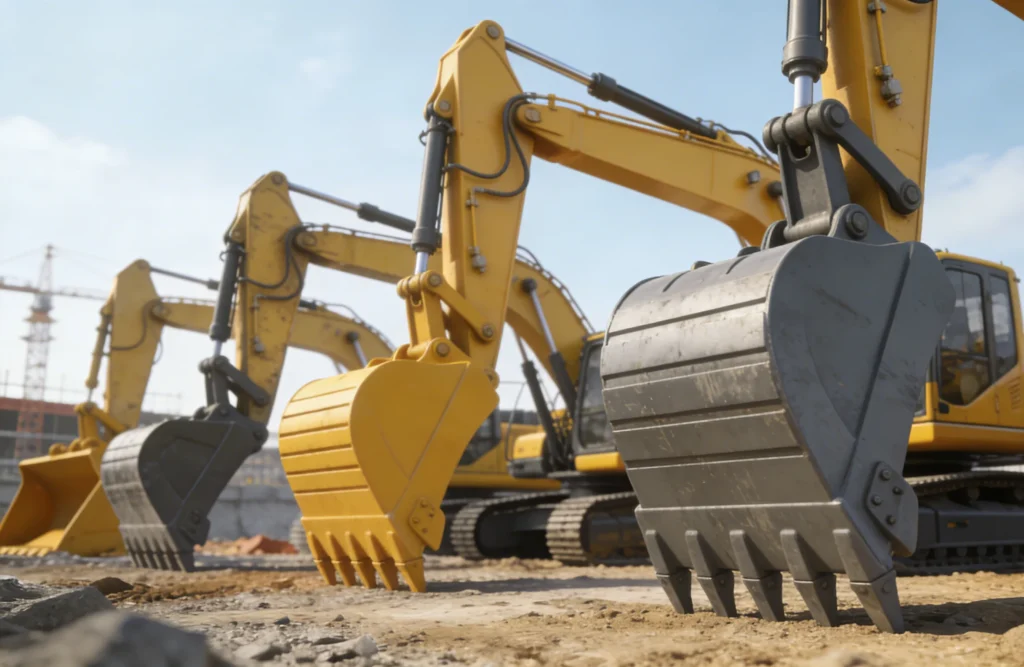
Why Is Selecting the Right Excavator Bucket Essential?
Each task brings its own ground makeup. Equipment must fit that makeup to stay in the black. Trying a light tool on tough stone work risks breaks and pricey stoppages.
Maximizing Machine Productivity and Fuel Efficiency
The right tool shape lets your digger cut into the dirt with little push-back. When the scoop fits the stuff well, the round time shortens. This means shifting more yard volumes each hour. Such gains cut fuel bills straight away. The motor avoids extra effort to push a dull or bad-fit item through the ground.
Reducing Unnecessary Wear on Hydraulic Components
An over-large or off-balance tool makes fluid pumps and arms run at full strain all the time. Matching the load and size of the scoop to your gear type keeps pins, sleeves, and fluid rings safe. This forward-thinking care lengthens the time before big fixes.
Ensuring Jobsite Safety through Proper Attachment Matching
Safety hinges on steadiness. A tool too weighty for the gear’s lift limit can make the digger top-unsteady. This happens often on hills. A good fit between the base and the add-on stops machine breaks that might cause work mishaps. It guards workers and your spending.
How Do Standard and Specialized Digging Buckets Differ?
Scooping seldom follows a steady pattern. Based on soft surface dirt or sharp rock, the build needs of your Excavator Buckets shift a great deal.
Earth Buckets for General Landscaping and Excavation
For routine jobs like path cutting, base digging, or shifting soft dirt, the Earth Bucket serves as the main item. These often have a big hold and a fairly light frame. That setup allows quick rounds in non-wearing stuffs. They act as the reliable base of any group. Such tools suit spots where pace beats deep cut power.
Rock Buckets with Reinforced High Strength Steel Plates
When dirt gets firm and wearing, a basic item wears out fast. Pro-level stone types use thicker edge sheets and strong bases from high-power manganese steel. They come with tough teeth and edge covers to take stone hits and big rocks. This keeps the main frame solid in high-push spots.
Skeleton Buckets for Sorting Debris from Fine Soil
At times, the aim goes beyond moving dirt to shaping it. These focused items have a barred or gapped build. It lets small bits like sand and fine dirt drop out. At the same time, it holds bigger stones, blocks, or break-down junk. This right-there sorting cuts big costs on moving and dumping. Clean fill stays apart from trash.
Which Buckets Are Best for Material Handling and Loading?
Shifting loose stuff or odd-shaped items needs a fresh mechanical way over usual scooping. Accuracy and hold become the main points.
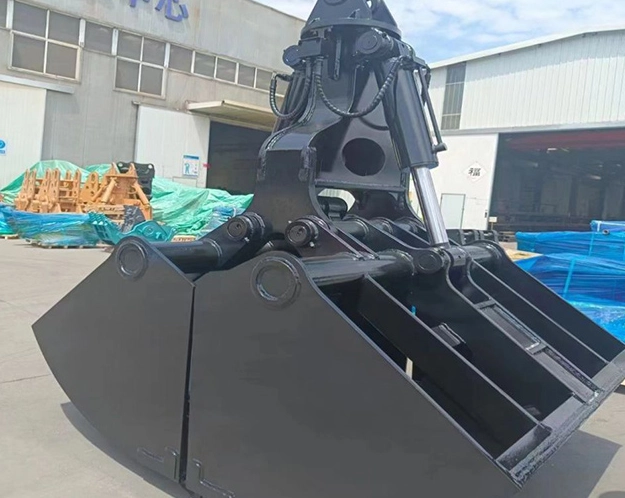
Shell Buckets for Bulk Sandy and Broken Materials
To fill sand, coal, or stones from a stack into a truck, the Shell Bucket works best. Its shape copies a shell grab. This lets it take big amounts of loose stuff from up top, not side scoops. It proves handy in tight spots where the digger can’t swing its reach freely.
Clamp Buckets for Grabbing Small to Medium Materials
In break-down or tree jobs where picking logs, metal scraps, or cement pieces matters, the Clamp Bucket offers needed range. It adds a fluid thumb or hold setup. This turns your digger into a firm grabber. You can lock uneven loads tight. That stops stuff from dropping in the turn and empty round.
Tilt Buckets for Precision Slope and Plane Dressing
Setting a hill grade or ending a channel calls for an item that shifts on its own away from the digger’s reach. These add-ons have a fluid tilt part. It usually goes up to 45 degrees each way. You can hold a steady level without moving the whole gear. This proves key for fine yard work and road end tasks.
What Design Features Define High Performance Buckets?
What sets a top add-on from a plain one lies in the metal mix and the care in moving pieces. Pro builders eye lasting strength over cheap start prices.
Durable Q345 Manganese Plate for Corrosion Resistance
The base stuff choice sets how the add-on holds up over time. Q345 manganese steel gives a fine mix of firmness and give. This stuff fights off rust from damp dirt and factory spots on its own. It also takes hits well without splitting under big dig push.
Specialized Heat Treatment for Alloy Steel Pins
Pins and sleeves form the turn spots of your full work. Strong items use 42CrMo alloy steel pins with strict heat work. This step boosts edge firmness against wear. Yet, it keeps a solid inside to take the pull from the digger’s fluid arms.
Double Cylinder Designs for Flexible Clamping Operations
For items needing hold strength, a two-part fluid setup often works better. It spreads push even over the full add-on width. This keeps the hold from twisting or jamming on off-side loads. Such even build leads to smoother runs and longer life for fluid rings.
How Do Professional Services Support Your Equipment Needs?
Putting money into good pieces works only with a backing frame that knows your trade. Skilled builders give more than a list of goods.
Professional Personalization of Product Specifications and Forms
No two work areas match exactly. A solid provider gives personalized services to change the build shape, work span, or stuff thickness of your add-ons. If you want a set tooth setup or a made-to-fit width scoop for tight path work, changes make the item suit your task just right.
Certified Quality Management through ISO9001 and CE Standards
In business-to-business settings, approvals show trust. Gear that hits ISO and CE marks means the build steps follow tight safety and check rules. This cuts the chance of bad goods. It also keeps your group in line with world safety needs.
Global Technical Support and Efficient After Sales Service
Stop time quietly kills task gains. Reaching a set tech study team and quick post-sell group gives help when needed. For first setup tips or getting swap wear pieces, a direct contact for tech aid keeps your gear at top speed. Picking the best Excavator Buckets and a steady teammate makes sure your building trade stays sharp and smooth in any ground.
FAQ
Q: Can I use an Earth Bucket for rocky soil if I am careful?
A: You can try it in practice, but experts advise against it. The thinner steel in basic add-ons bends or splits soon when striking big stones. A stone-strength tool saves more money by skipping often fixes.
Q: How do I know if my machine needs a single or double-cylinder Clamp Bucket?
A: One-part setups stay lighter and fit small gear for even loads. Two-part builds suit big diggers and tough break-downs. They give max even hold power for uneven stuffs.
Q: What is the benefit of manganese steel in Excavator Buckets compared to standard carbon steel?
A: Manganese steel like Q345 shows far better harden-on-work traits. It grows firmer with use against hard spots. Plus, it fights cold breaks and rust much stronger. These fix common weak points in plain carbon steel choices.