
Essential Tips for Selecting the Perfect Mini Excavator Size
When you work on digging or building jobs, choosing the correct mini excavator size can make your task easy a nd quick. It can also stop it from becoming slow and pricey. You might dig narrow ditches, clear land, or move broken pieces. The size of your mini excavator changes how fast you finish, how simply you move on the site, and what tools you can add.
Guangdong Kingho Technology stands as one of China’s top makers of excavator attachments. We supply a complete set of options for small to heavy excavators. From hydraulic quick hitches and compactors to grabs and buckets, Kingho’s items are built to fit the strength of new building machines. They keep work flexible and trustworthy.
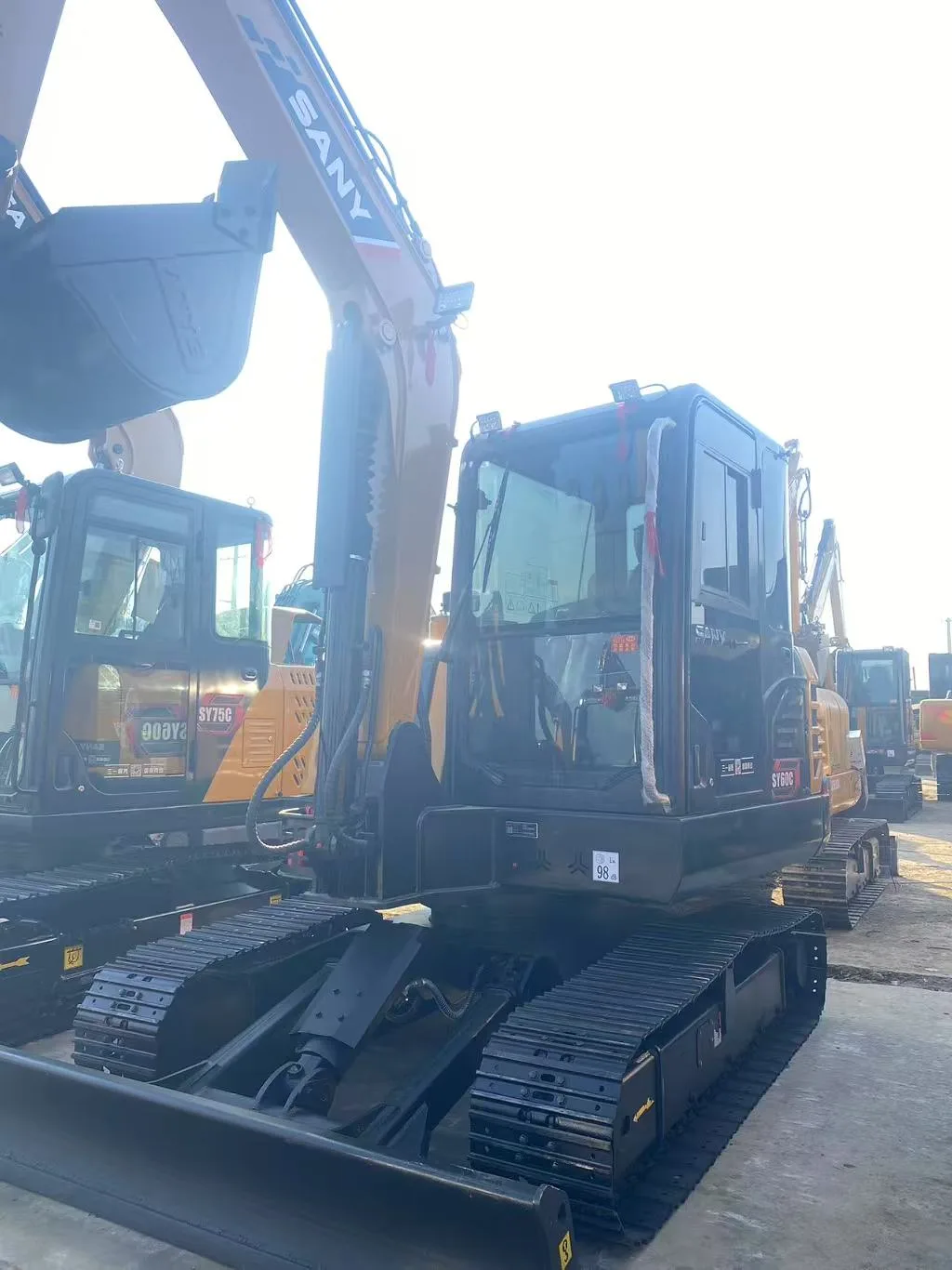
Why Mini Excavator Size Matters for Job Efficiency
Picking the proper size is not only about force. It is about fitting the machine to the work. A mini excavator that is too big can be tough to steer in small spots. But one that is too tiny may fight with hard digging or lifting. The right mix gives you command, saves gas, and stops extra damage on the machine and attachments.
The Impact of Size on Maneuverability and Versatility
Tiny mini excavators, often in the 1–3 ton group, work great for narrow areas. Think gardens, home backyards, and walkways. They stay light, simple to carry, and can pass through slim gates or doors. They do not rip the ground much. Medium types, around 4–6 tons, manage tougher jobs. These include cutting trenches for pipes or shaping land with bigger loads.
For these units, flexibility comes from attachments. You can join your excavator with a Kingho Tilt Bucket or Sorting Grab. Then workers can act at many angles. They do not need to shift the excavator. This is perfect for ending slopes, leveling ground, or picking waste items. These attachments use strong Q345 manganese steel. They have tough 42CrMo alloy pins. This adds strength and long life.
How to Determine the Right Mini Excavator Size
You might want the largest model. Yet bigger is not always better. The best size rests on your work kind, ground type, and tools you plan to fix.
Match the Excavator to the Task Requirements
First, think about what you do most.
-
1–3 tons: Good for shaping land, cutting trenches for water lines, and small base work.
-
4–6 tons: Fits city road fixes, mid-size building, and pipe setups.
-
7–10 tons: Made for deep digging, breaking down, and big water drains.
If your job needs fast tool switches, say from a bucket to a hydraulic breaker, try Kingho’s Hydraulic Quick Hitch. Its double-lock setup lets safe and swift changes in minutes. This cuts wait time. It keeps the job going.
Consider Site Conditions and Accessibility
The size of your work spot counts a lot. A crowded home lot needs a small model. It must turn smoothly. It should not hit walls or trees. For wet or rocky land, more weight and grip can keep steady.
To manage different dirt types, workers often pick Kingho’s Hydraulic Plate Compactor or Ripper. The plate compactor has a U.S.-imported hydraulic vibration motor. It also uses German FAG bearings. This gives strong hit force with little noise. It shines for filling trenches or pressing slopes. The ripper has a strong build and 42CrMo pins. It quickly breaks frozen dirt or soft rock.
Key Specifications to Evaluate Before Buying
After you pick a size group, look closer at power facts. Not all 5-ton excavators act the same. Details like dig depth, reach, and hydraulic power create a real change.
Weight and Digging Depth
Machine weight sways balance and ground push. Lighter excavators are easy to move. They are kind to soft surfaces. Heavier ones dig deeper. They take bigger attachments.
For instance, Kingho’s Excavator Buckets have extra strong plates and cast guard blocks. This boosts lasting power in rough dig spots. For heavy rock jobs, the Rock Bucket type raises speed and life. It uses better materials and wide openings. These make moving big pieces simple.
Hydraulic Flow and Attachment Compatibility
Hydraulic flow brings attachments alive. If your excavator gives too little flow or push, even the best attachment will fail.
Kingho’s Hydraulic Steel/Rock/Log Grab shows smart planning for today’s excavators. It uses NM400 steel for light yet strong build. It has a 360° rotating motor from Switzerland. The built-in oil paths in pins and imported HALLITE seals keep it steady in long use. This design fits many mini and mid-size excavators. It promises steady grabs and lifts each time.
Benefits of Pairing Your Mini Excavator with Quality Attachments
A strong excavator needs top attachments to shine. Picking tough, well-made tools lengthens machine life. It helps it work best in any place.
Durability and Material Strength
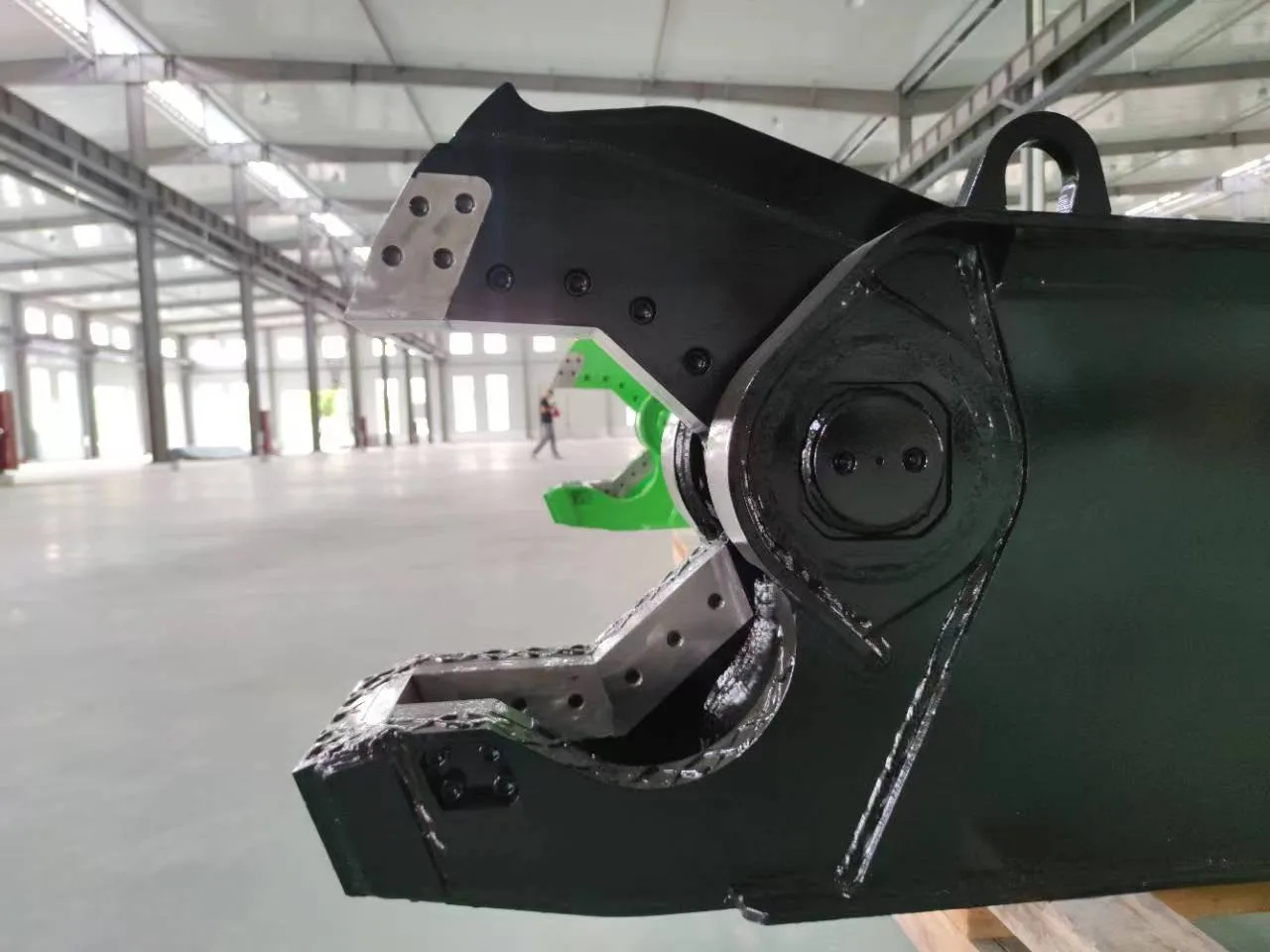
Kingho’s attachments stand out with solid parts and exact make. Items like the Eagle Shear and Powerful Crusher use Swedish Hardox steel. This steel is known for high toughness and wear fight. Heavy pins from 42CrMo alloy steel give firm joints. They handle constant move and push in dig work.
Each attachment is ready for hard conditions. It can cut steel beams, crush concrete, or pick scrap metal. For workers, this means less stop time, fewer fixes, and smooth runs all day.
Quick Attachment Changes Improve Productivity
On modern build sites, change matters most. Switching from digging to leveling to breaking should not take half the day. Kingho’s Hydraulic Quick Hitch (Double Lock Type) lets workers swap safely in about 15 minutes. The double-lock part holds attachments tight under big loads. The thick safety pin adds more trust.
This fast swap lets small teams do many tasks with one machine. It saves workers and move costs. It keeps exact and safe work.
Why Choose Kingho Attachments for Your Mini Excavator
From research rooms in China to work sites around the world, Kingho leads. We are the top pick for excavator attachments. We hold ISO9001, CE, and SGS marks. That means trust you can count on.
Our best sellers:
-
Hydraulic Quick Hitch – Quick swaps, super strong.
-
Tilt Bucket – Angle command for slopes.
-
Hydraulic Breaker – Break concrete with low sound.
-
Sorting Grab – Pick waste fast.
-
Hydraulic Plate Compactor – Level flats quick.
Need a change for your Kubota or Hitachi? We adjust. Any hydraulic setup. Just tell us.
Conclusion
Finding the ideal mini excavator size is not hard. Focus on main task kinds. Check job site facts. Think about attachments you use most. The correct size and tools make work quicker, safer, and sharper.
For builders who want to update gear or adjust attachments, Kingho Technology gives tough, high-power answers. They handle real challenges.
FAQs
Q1: What size mini excavator is best for residential projects?
A: A 1–3 ton mini excavator fits best for home shaping, small trenches, and light digs. It stays small, saves fuel, and moves easy between sites.
Q2: Can Kingho attachments fit different excavator brands?
A: Yes. Kingho offers custom mounts and hydraulic sets. They fit many excavator models from 4 to 50 tons.
Q3: How often should excavator attachments be maintained?
A: It depends on use. But most need weekly checks for wear, grease, and hydraulic leaks. Kingho builds with dust-proof bearings and strong seals. This cuts check times and adds life.