
Comparing Excavator Bucket Types to Maximise Load Efficiency
Selecting the right excavator bucket isn’t just about digging—it’s about digging smart. For operators and project managers aiming to get the most out of their machines, choosing the correct bucket type can significantly affect cycle time, fuel usage, and even long-term wear. Whether you’re moving earth, shifting coal, or grabbing demolition debris, each bucket design plays a unique role in maximizing load efficiency. In this guide, we’ll break down how different types of digger buckets compare when it comes to calculating material volume and jobsite productivity—with a special focus on Kingho Technology’s product lineup.
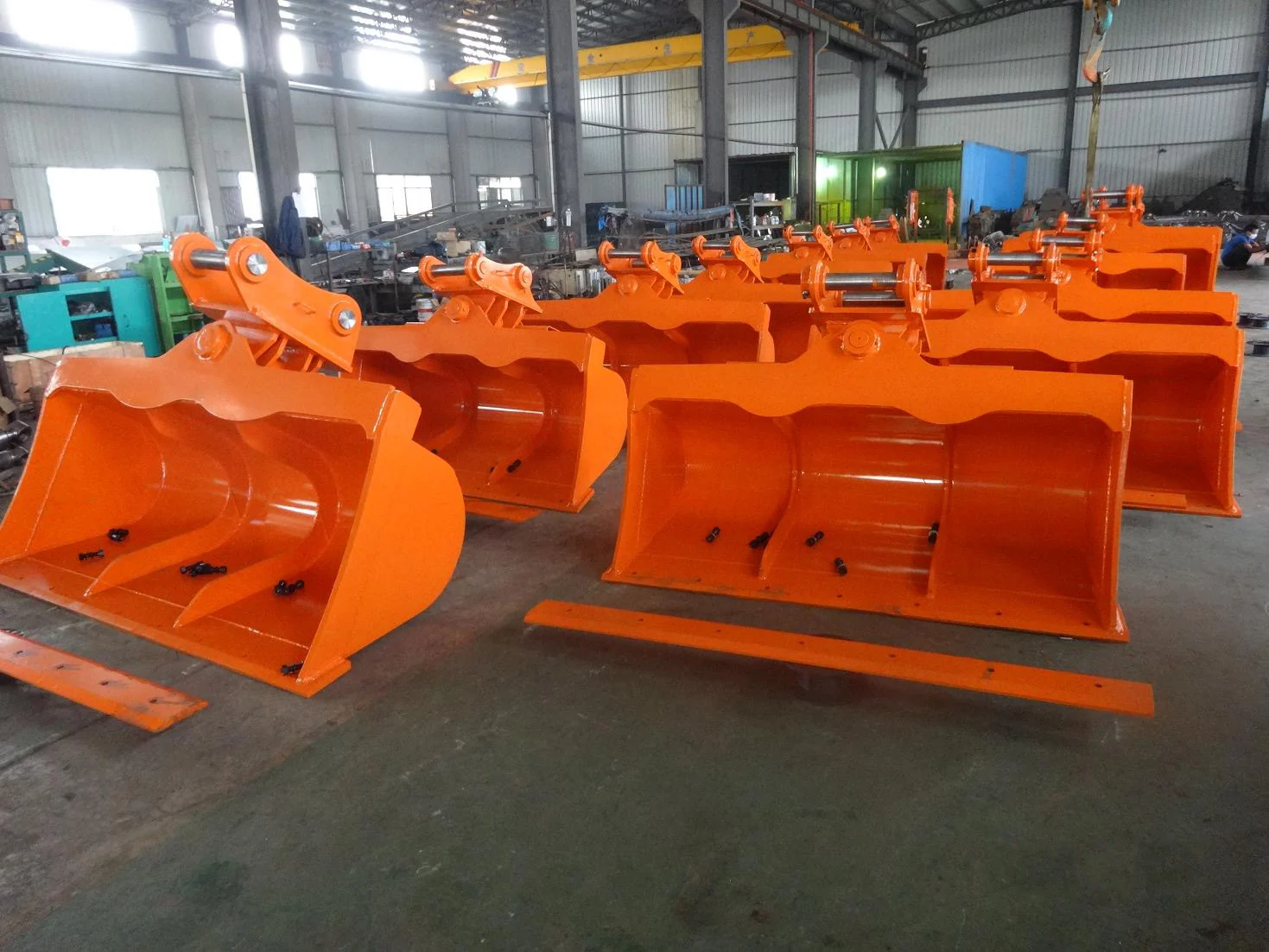
Understanding the Role of Excavator Buckets in Load Efficiency
Excavator buckets are more than just tools—they’re performance multipliers when selected correctly for the job.
The Importance of Bucket Selection for Volume Optimization
The shape, size, and internal profile of a bucket determine how efficiently it scoops, carries, and dumps material. Different bucket types influence digging performance and material handling capacity. For instance, a shell bucket with a deep profile is ideal for light bulk materials, whereas an earth bucket works better in general-purpose soil work.
Matching the bucket design to soil and load conditions directly affects productivity. A mismatch can lead to excessive resistance during entry or too much carryback on dumping. Load efficiency depends on bucket geometry, capacity, and material retention. The more material moved per cycle with less effort, the better your fuel economy and project throughput.
Overview of Kingho Technology’s Excavator Bucket Solutions
Kingho Technology offers a full spectrum of excavator attachments, including specialized buckets for varying job demands. Kingho’s range includes Earth Bucket, Shell Bucket, and Clamp Bucket for various applications, all engineered with attention to strength and compatibility.
Each product is engineered for durability, precision, and compatibility with major excavator brands. Whether you run a 20-ton or 36-ton machine, there’s a Kingho bucket designed to match your tonnage and hydraulic flow requirements.
Integration with Kingho’s attachments enhances operational performance across industries, from construction to port logistics and forestry operations.
How Do Earth Buckets Perform in General-Purpose Excavation?
Earth buckets are the bread-and-butter option for many excavation tasks. But their efficiency depends on smart design features that suit typical soil conditions.
Application Scope and Design Characteristics
Earth buckets are generally suited for light to medium-duty digging in loose soil, clay, and gravel. They offer a good balance between strength and weight, making them reliable for common tasks like trenching or backfilling.
The buckets typically feature optimized curvature and reinforced edges to help with efficient scooping and dumping. A smooth entry into the soil reduces drag force, which directly improves cycle time during repetitive tasks. Designed to reduce resistance during penetration, these buckets enhance machine responsiveness and fuel savings.
Load Efficiency in Common Earthmoving Tasks
An earth bucket’s balanced geometry leads to better energy transfer during lifting. Balanced weight distribution minimizes energy loss during lifting operations, meaning your hydraulic system doesn’t have to overwork itself.
Larger fill volume per cycle increases output while reducing fuel consumption. That’s especially helpful on jobs where you’re moving the same type of material repeatedly. Earth buckets are ideal for repetitive excavation where speed and consistency are priorities.
Why Choose Kingho’s Earth Bucket?
Kingho doesn’t cut corners when it comes to strength. Manufactured with high-strength wear-resistant steel for extended service life, these buckets stand up well under abrasive conditions without frequent repairs.
Customizable sizes available to match specific machine tonnage requirements means you get optimal capacity without overloading your excavator. Plus, Compatible with quick couplers to streamline attachment changes on-site, making them practical for fast-paced work environments.
What Makes Shell Buckets Suitable for Loose Material Handling?
When you’re working with fine-grained or low-density materials like sand, gravel, or coal, shell buckets shine by moving more volume in fewer cycles.
Structural Features Tailored to Bulk Volume Transfer
Shell buckets often come with a deeper profile compared to standard earth buckets. Deep profile design allows efficient scooping of fine or granular materials like sand or coal. This extra depth helps trap light material without spilling over during transit.
Curved side plates reduce spillage during lifting and transport phases, which is crucial when you’re loading trucks or conveyor belts. Lightweight construction supports faster operation without compromising strength, giving operators quicker cycle times per pass.
Efficiency Gains in High-Capacity Loading Scenarios
Shell buckets are designed for high fill factors. Maximizes fill factor with minimal carryback due to smooth internal surface finish. Less material sticks inside the bucket after dumping, which helps keep loading consistent.
Streamlined shape ensures faster dumping cycles in repetitive loading tasks. These features make them ideal for high-volume jobs like port handling or managing aggregate stockpiles.
Advantages of Using Kingho’s Shell Bucket Design
To withstand constant abrasive wear, Kingho enhances its shell buckets with smart reinforcements. Reinforced lip and side wear plates extend operational durability under abrasive conditions.
Geometry also plays a big role: Optimized geometry reduces material loss during swing movement or travel over uneven ground. Finally, Engineered for precision fitment with standard linkage systems across leading OEMs, so you don’t need custom adapters or extra install time.
In What Situations Are Clamp Buckets More Effective?
Clamp buckets step in where standard digging won’t cut it—think demolition sites, rocky terrain, or forestry jobs requiring object handling rather than loose material scooping.
Functional Benefits of Integrated Clamping Mechanism
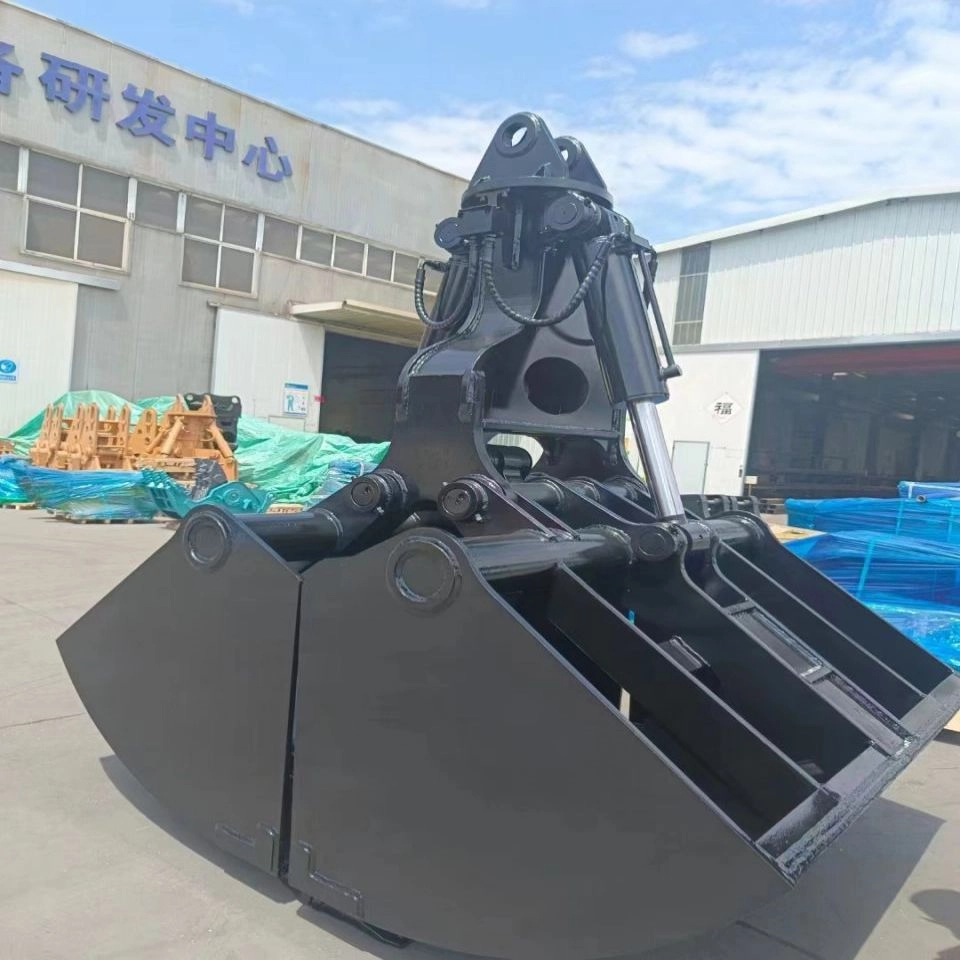
Unlike traditional buckets, clamp buckets include an additional arm powered by hydraulics. Enables secure gripping of irregular objects like logs, rocks, or demolition debris. The built-in clamp holds onto awkward shapes that would otherwise roll out of a standard bucket.
Hydraulic clamp allows controlled handling without additional lifting equipment. This makes it a versatile tool that reduces the need for separate grapples or manual repositioning.
Load Management in Non-Conventional Material Handling Tasks
Clamp buckets really shine when it comes to safety and precision. Improves safety by minimizing risk of dropped loads during maneuvering operations, especially in tight urban demolition jobs or when working near active crews.
They also cut down workflow time: Reduces cycle time by eliminating the need for manual repositioning or secondary attachments. Perfect for waste management yards or forestry clearing where material handling varies widely in shape and size.
Key Features of Kingho’s Clamp Bucket Offering
Kingho brings serious muscle to its clamp bucket design. Robust clamping arm powered by high-torque cylinders ensures firm hold under load stress. Even under heavy vibrations or impact loads, the grip stays tight.
Wear-resistant teeth and reinforced hinge points improve longevity under high impact use. And because Designed for seamless integration with hydraulic systems on a wide range of excavators, installation is simple if your machine meets hydraulic flow requirements (≥120L/min recommended).
How Can Bucket Type Selection Impact Operational Cost-Efficiency?
Choosing the wrong bucket doesn’t just slow you down—it adds cost at every step from fuel to maintenance.
Material Suitability vs. Wear Rate Trade-Offs
If you use an earth bucket in rocky terrain meant for heavy-duty rock buckets, expect fast wear on cutting edges. Using the wrong bucket type accelerates wear on cutting edges and structural components.
Proper selection based on material density reduces maintenance frequency and part replacement costs. It also extends lifecycle value by keeping structural stress within design limits.
Cycle Time Optimization Through Design Compatibility
When the bucket matches both the material and machine hydraulics, everything runs smoother. Correct bucket geometry shortens fill-and-dump cycles across repetitive workflows.
Over time this also pays off in human terms: Reduced operator fatigue leads to more consistent productivity over long shifts. Enhanced hydraulic compatibility improves response time in multi-function operations—less lag means better control on precision tasks.
Kingho Technology’s Role in Reducing Lifecycle Costs
Kingho supports its customers beyond just selling hardware. Offers tailored solutions based on project type through expert consultation services. You can avoid trial-and-error by consulting their team before purchase.
They also Supply OEM-grade spare parts that ensure long-term reliability of attachments and Provide engineering support to optimize attachment-machine matching from the outset.
FAQ
Q1: What type of bucket is best for high-volume sand loading?
A: A shell bucket with deep profile and smooth internal finish is ideal for minimizing carryback and maximizing fill per cycle.
Q2: Can I use the same excavator for all Kingho buckets?
A: Yes—as long as your machine matches the tonnage and hydraulic specs required for each model (e.g., ≥120L/min flow rate for clamp buckets).
Q3: How do I know if my excavator supports a clamp bucket?
A: You’ll need to check if your machine has a third hydraulic line for rotation and enough pressure (usually 210 bar). Compatibility can also be customized via connection brackets from Kingho.