
Best Practices to Evaluate the Largest Bucket Excavator Technologies
In the busy world of heavy earthmoving and mining jobs, picking the best bucket technology is a key job. Demand is rising for very big excavators with strong attachments. So, it helps to know the basic ideas behind these big bucket systems. This piece looks at main points, material ideas, why custom work matters, upkeep ways, and top new ideas in this area. We focus on makers like Guangdong Kingho Technology Co., LTD.
What Are the Key Criteria for Evaluating the Largest Bucket Excavator Technologies?
Selecting a good bucket for very big excavators means finding a balance between size, how it works, if it fits, and how tough it is. Let’s check the basic things that make strong excavator bucket setups.
Bucket Capacity and Structural Durability
The amount of stuff a bucket can carry affects how well the job goes. Bigger bucket sizes cut down on time per cycle. They also boost output in mining and stone work. But toughness in the build must grow with the size. This stops early breakdowns.
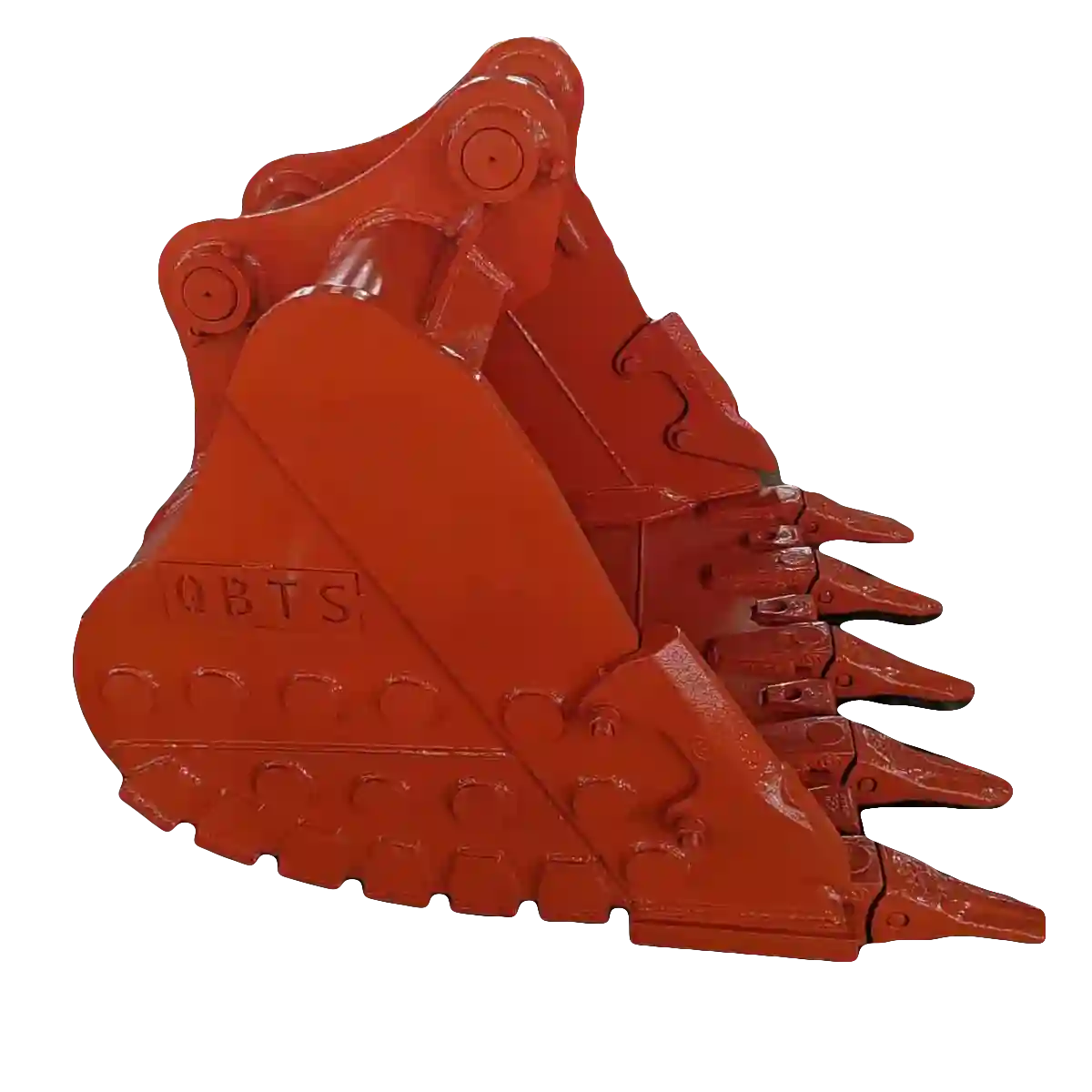
For earthmoving buckets, parts that face high pressure and quick wear use strong steel sheets. They also use cast guard sheets, guard pieces, and special handling methods. These steps raise the toughness and job speed of rock buckets. Kingho Technology uses this way in their heavy rock buckets. It handles both load size and build strength.
These buckets have a wide opening. That makes it easy to load big rocks or loose stones. It boosts work in hard spots. Extra supports in key spots like tooth sheets, side parts, and weld lines keep them going under steady hits.
Hydraulic System Performance and Energy Efficiency
A good hydraulic setup makes digging quick and sure. It needs high flow and steady pressure for exact control in load and dump steps. Load-sensing systems save energy. They change flow based on pushback.
Kingho adds smart hydraulic cylinders in all their items. The oil cylinder uses smooth tubes, brought-in HALLITE oil seals, quick work cycles, and long use time. This lets it move smoothly in tough spots. These parts cut fuel use. At the same time, they speed up reactions, mainly in tilt buckets and clamp buckets.
Compatibility With Excavator Classes and Operational Environments
A bucket works best when it fits the machine’s size and hydraulic power. Top makers like Kingho give choices that work with many original brand setups for 4–50 ton excavators.
It can adjust the lean angle of the excavator bucket. This fits many models from 4 to 50 tons. The tilt is plus or minus 26 degrees. If you need a bigger tilt, they can make it to order. This custom skill makes it fit many uses. From city building spots to open mine pits.
How Does Material Technology Influence Bucket Excavator Performance?
Choosing materials changes how well an excavator bucket does in wear fight, long life against tiredness, and weight balance. New steel mixes, exact weld methods, and smart build plans all help get better results.
High-Strength Steel Alloys and Abrasion Resistance
Hard spots like rock digging need materials that fight scrapes well. Things like HARDOX or NM500 steel stand up to cuts and digs. They also have great pull strength.
NM500 wear-resistant steel is strong and fights wear. Kingho uses it in clamshell buckets to deal with broken and sandy loads well. Plus, the pin uses 42CrMo alloy steel. It gets heat treatment for high strength and good bend strength. This raises fight against repeat loads.
Edge guards and cast guard sheets add to use time. They protect key spots from straight hits.
Welding Techniques and Structural Integrity
Smart robot welding makes even and exact joins. This spreads push evenly over bucket links. Heat treatment boosts join power and cuts leftover push.
Kingho emphasizes the quality control of welding. They produce high-strength steel plates, using cast protective plates, protective parts and special process steps to enhance the material’s toughness and operational efficiency. This full-process monitoring mechanism ensures the reliability of on-site operations, as workers have to withstand thousands of load shocks during their work.
Weight-to-Durability Optimization Strategies
Getting strong build without too much weight is key. It keeps machine steady and hydraulic work smooth. Build shape plays a big part. It cuts stress spots while keeping stuff where it counts most.
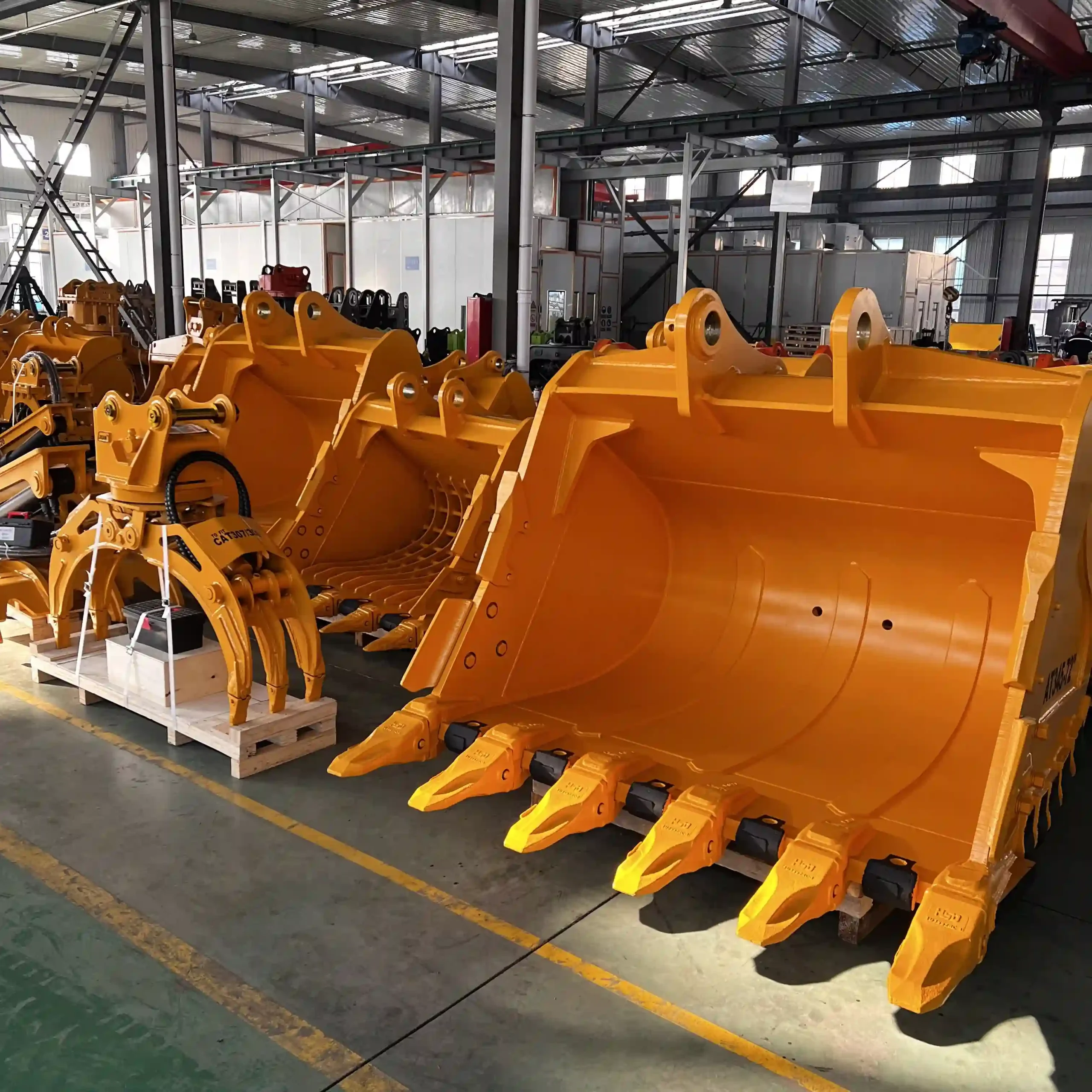
Kingho’s skeleton buckets show this balance well. It uses high-strength steel sheets and cast guard sheets and guard pieces. They have sure quality and long use time. These light but strong plans fit city, tree work, and dirt jobs where easy moves matter.
Why Is Customization Critical for Large Bucket Excavator Applications?
Digging spots change a lot. From rough stone to soft top dirt. So, buckets need to fit exact site needs. Custom work lets you tune for best work in all job parts.
Application-Specific Design Requirements
Bucket shape, like bend, width, and tooth setup, must match the job. For rock buckets, narrow shapes with strong teeth help push in. Ditch buckets focus on space and tilt skill.
The tilt bucket changes the lean angle of the clean bucket with the oil cylinder. It raises work speed a lot. This build lets users set attachments by stuff weight, scrape level, or reach needs. It boosts all-around use in dig jobs.
Integration With Machine Control Systems
New dig gear links more with GPS guides, data links, and even self-run control. Buckets need to fit these tech setups for best team work.
Regional Standards and Compliance Considerations
Selling worldwide means following many rule sets. Like CE in Europe or ISO around the world. Also, local move rules set max sizes or weights for bucket parts.
Kingho helps world buyers by making fits that match safety rules in many places. Their build team makes sure to follow rule steps in product make stages.
How Do Leading Manufacturers Like Kingho Shape the Future of Large Bucket Excavators?
New ideas in tech and team work put best makers ahead in dig attachment growth.
Innovation in Design Engineering and Simulation Tools
Finite Element Analysis shows stress spread over bucket build under moving loads. With 3D CAD/CAM tools, it speeds up test makes of tuned strong plans.
In 2023, the bigger work shop will start use. Many CNC tools will go in to grow make power. These build spends back steady test and fix work at Kingho.
Collaboration With OEMs and End Users
Team-making buckets with original makers makes sure fit with their dig plans. It also adds user input for real-field fit.
They made big gear like scrap car break-down tools with success. This past shows Kingho’s skill to meet special buyer needs through team build links.
Expansion Into Emerging Markets With Scalable Solutions
Growing places need cheap but growable dig fixes for build work. Makers like Kingho give item lines from mid to very big buckets. They fit varied place needs.
FAQs
Q1: What materials are used in Kingho’s largest bucket excavator products?
A: Kingho uses high-strength steel such as NM500 wear-resistant steel and Q345 manganese plate steel for its attachments.
Q2: How does Kingho ensure compatibility with different excavator brands?
A: Kingho’s products are suitable for various models of 4-50 tons and can be customized for larger applications or specific tilt angles.
Q3: What digital technologies are integrated into Kingho’s bucket systems?
A: Kingho incorporates smart sensors and hydraulic components that support predictive maintenance and integration with modern machine control systems.