
What is the biggest bucket wheel excavator in the world used for today
The size of current excavation gear shows clear signs of human engineering skill. No device shows this better than the world’s biggest digging tool, the bucket wheel excavator. This enormous piece of machinery stands out in surface mining tasks. Yet, even with its great size and abilities, such large units do not always serve as the best or most affordable choice for every job. These days, a change is taking place toward more intelligent and flexible tools. They fit machinery closer to the needs of the work site.
Kingho Technology stands out in this area. The company has more than ten years of knowledge in creating and building smart excavator add-ons. It supplies tools made for specific uses in fields like mining, building work, and material reuse.
How Is the Biggest Bucket Wheel Excavator Used Today?
Even with their large build, bucket wheel excavators keep an important place in some fields. There, long-term work at one site makes their use worthwhile.
Open-Pit Mining Operations for Coal and Lignite
These machines stay vital in European coal areas. Lignite serves as a key fuel source there. Their skill in clearing cover soil quickly gives faster reach to coal layers below. This keeps supply lines open for local power stations.
Since they run without breaks and with few stops, they provide an affordable option for projects that last years. However, this works only when the site can handle their large space needs.
Earthmoving Projects in Infrastructure Development
In some uncommon situations, big civil engineering jobs use bucket wheel excavators for leveling ground or changing land shape. Tasks like widening roads or readying factory zones sometimes need such steady digging skills.
Still, these uses grow less frequent. The reason lies in the machine’s poor movement and high cost to move it. New building work often picks systems that adjust better to changes.
Material Handling in Large Industrial Complexes
Certain factory areas build these machines into set tasks for bulk digging and moving goods. Places like steel plants and shipping centers that deal with raw minerals might set up belt systems. These get fed by such gear to smooth out transport through work areas.
However, this kind of use turns rarer now. Rules on the environment and tight space in areas near people play a big part.
What Are the Key Challenges Facing These Machines?
Though they perform well, bucket wheel excavators deal with limits that hold back their common use these days.
Maintenance Complexity Due to Machine Size
Their large size calls for special repair teams. These groups must check big parts like buckets, tracks, and fluid systems. Stop times turn very expensive. They halt all work that depends on the machine’s production.
Wear on parts speeds up from rough materials they handle. This means often replacing stressed items. As a result, it brings issues with storing spare parts and fixing on site.
Environmental Impact of Continuous Excavation Operations
Using them for long periods causes big changes to the land. Whole natural areas can face upset from ground shifts. Dust release and constant noise prove troublesome near homes or farm lands.
These effects on nature bring rules that make getting approvals harder. They also raise running costs to meet standards.
Operational Flexibility Compared to Modern Alternatives
Bucket wheel excavators suit fixed spots. Workers cannot move them easily between sites. Their low movement keeps them to set mining areas or building jobs with long schedules.
Also, the starting cost pays back only in long jobs. For small tasks or changing ground, they lack fit. Thus, they do not work well outside certain fields.
Can Smaller Equipment Complement or Replace These Giants?
Current jobs lean more on tools that grow with needs. They match gear size to real digging tasks. Smaller but strong tools now give options with more range and better cost control.
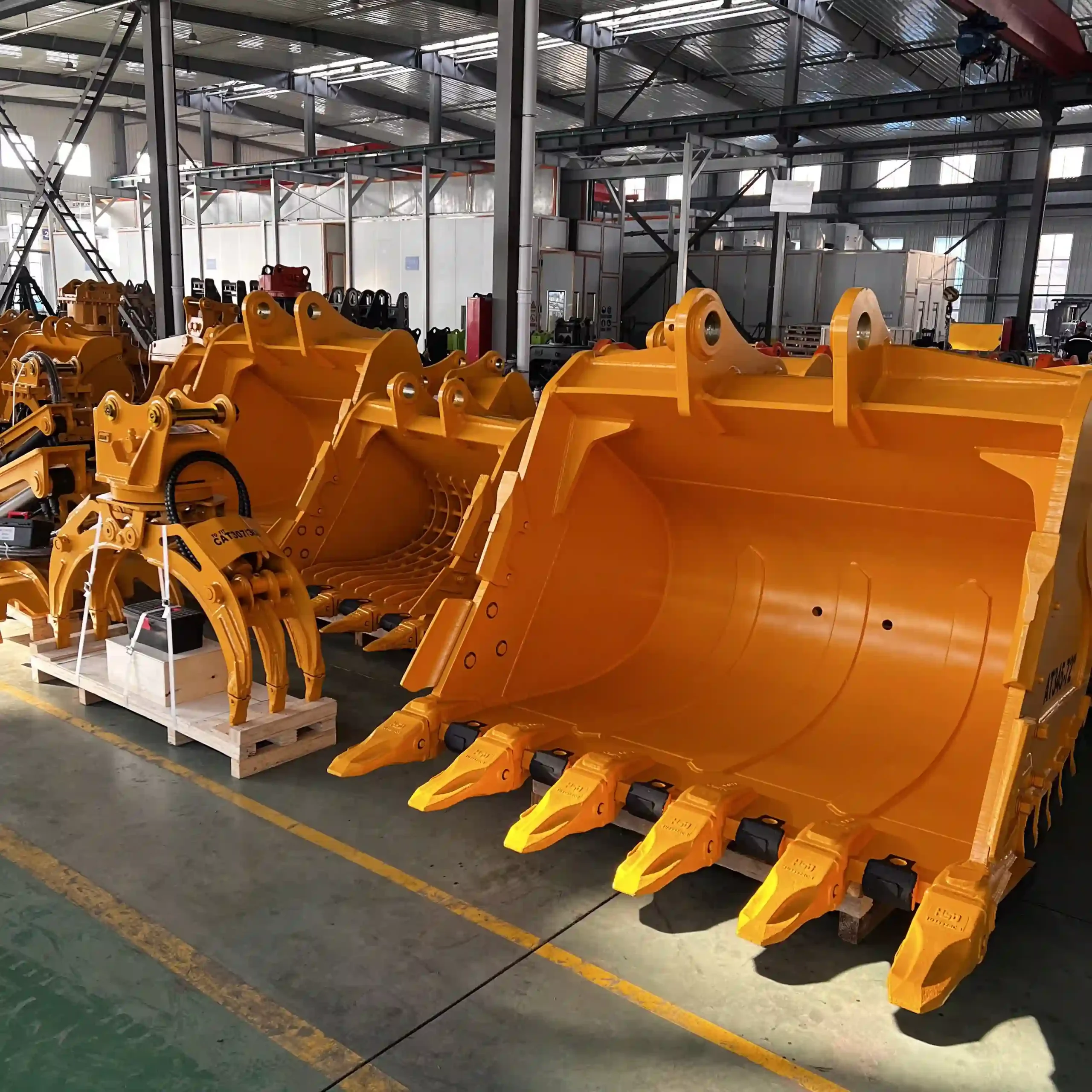
Versatile Use Cases of Earth Buckets from Kingho Technology
The earth bucket gives a good choice when you need steady digging through packed soil or soft ground. It avoids using too many resources.
On the basis of earthmoving bucket, high stress and easy to wear parts are manufactured with high strength steel plate, and casting guard plate, guard block and special technology processing, which improves the durability and working efficiency of rock bucket. These qualities make it dependable in many uses. They range from city earth jobs to basic stone sites. At the same time, it keeps running costs low.
Specialized Applications of Shell Buckets in Material Handling
The shell bucket does well at filling up grain-like or broken materials such as sand or stones.
Applicable objects– loading and unloading of broken and sandy materials in bulk. Its two-cylinder setup ensures even running. The steel that fights wear gives a longer life even in rough spots. This fits it for sand areas, stone pits, or shipping points that move large amounts fast.
Enhanced Control with Clamp Buckets in Precision Tasks
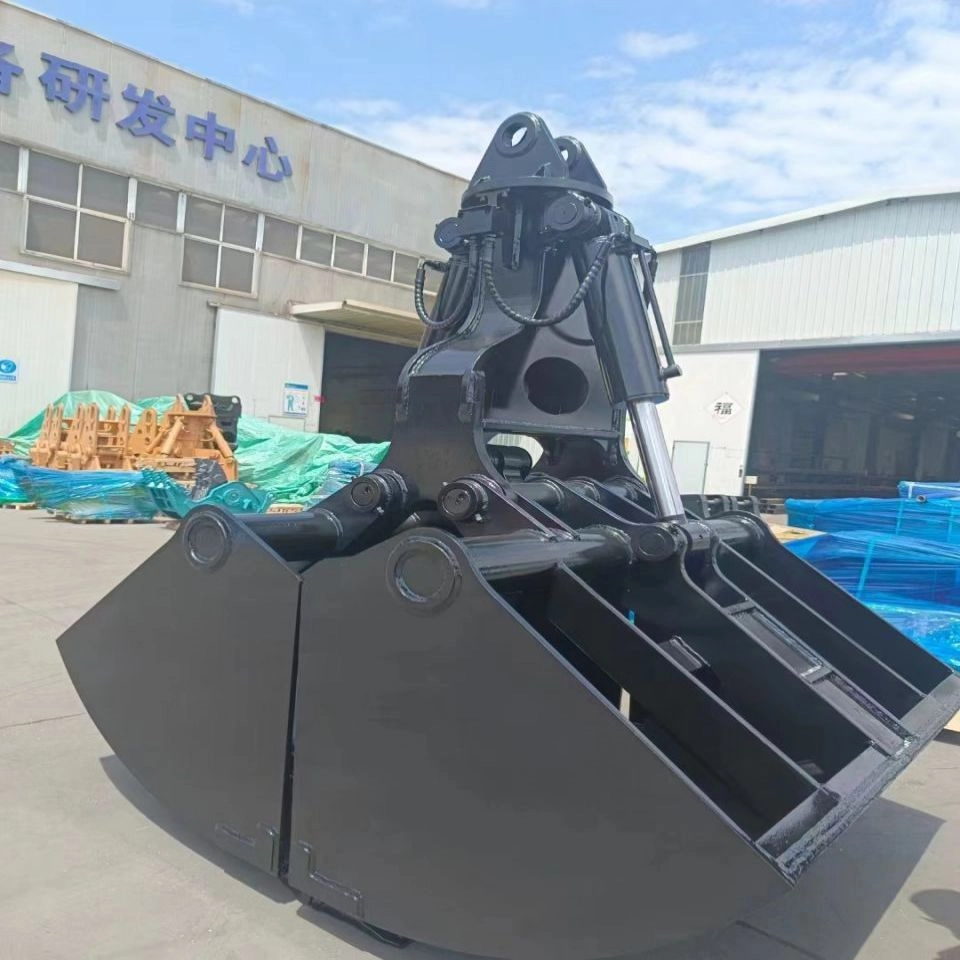
When a task needs holding odd shapes like waste metal or wood pieces, the clamp bucket brings exact hold through fluid power.
Applicable objects– excavation and clamping of gravel sites and loading and unloading of various small and medium materials. Adding a Swiss rotary motor allows full 360-degree turns. Its strong frame takes repeated stress without breaking. It proves very helpful in breaking down sites or sorting work where safety and grip count most.
Why Should Project Managers Consider Kingho Technology Products?
Using add-on parts instead of big excavators offers several work benefits. This holds true especially when getting them from skilled makers.
Proven Manufacturing Expertise Across Excavator Attachments
Guangdong Kingho acts as a skilled maker focused on breaking and loading add-ons. It provides many options that fit different job needs. Items use Q345 manganese plate steel or NM500 wear-resistant steel based on the task. This ensures they work well in actual site conditions.
Compatibility with Global Excavator Brands and Models
Every add-on fits smoothly with main original equipment maker gear. Change options based on job details help cut setup stop times. They keep factory-level work across world fleets.
Cost-Efficiency Through Targeted Equipment Solutions
Instead of spending much on large machines like bucket wheel excavators when not required, add-on tools let you adjust down well. This way boosts returns on investment. It matches tool size to real work loads. Thus, it avoids extra fuel or repair costs while meeting job aims.
FAQ
Q1: What sets Bagger 293 apart from other excavators?
A: Bagger 293 holds the record as the largest bucket wheel excavator globally; it weighs over 14,000 tons, stands approximately 96 meters tall, and can excavate up to 240,000 cubic meters per day—making it ideal for long-term open-pit mining projects.
Q2: Can smaller attachments really replace large machines?
A: While they can’t match output volume alone, smaller attachments like earth buckets or clamp buckets offer superior flexibility, cost control, and targeted performance—making them more suitable for varied or short-duration tasks.
Q3: How do I know which attachment fits my machine?
A: Begin by checking your excavator’s tonnage class; then verify hydraulic flow rate and pressure requirements. Kingho Technology offers customization options ensuring compatibility with most global brands and models.