
What Makes the Biggest Bucket Wheel Excavator in the World So Efficient
When mining happens on a grand scale, sheer size matters a great deal. It goes beyond mere spectacle. Instead, it proves vital. The largest bucket wheel excavator worldwide showcases remarkable human ingenuity. Engineers crafted it to shift thousands of tons of earth each day. And it does so with steady dependability. Yes, what truly sets this giant device apart?
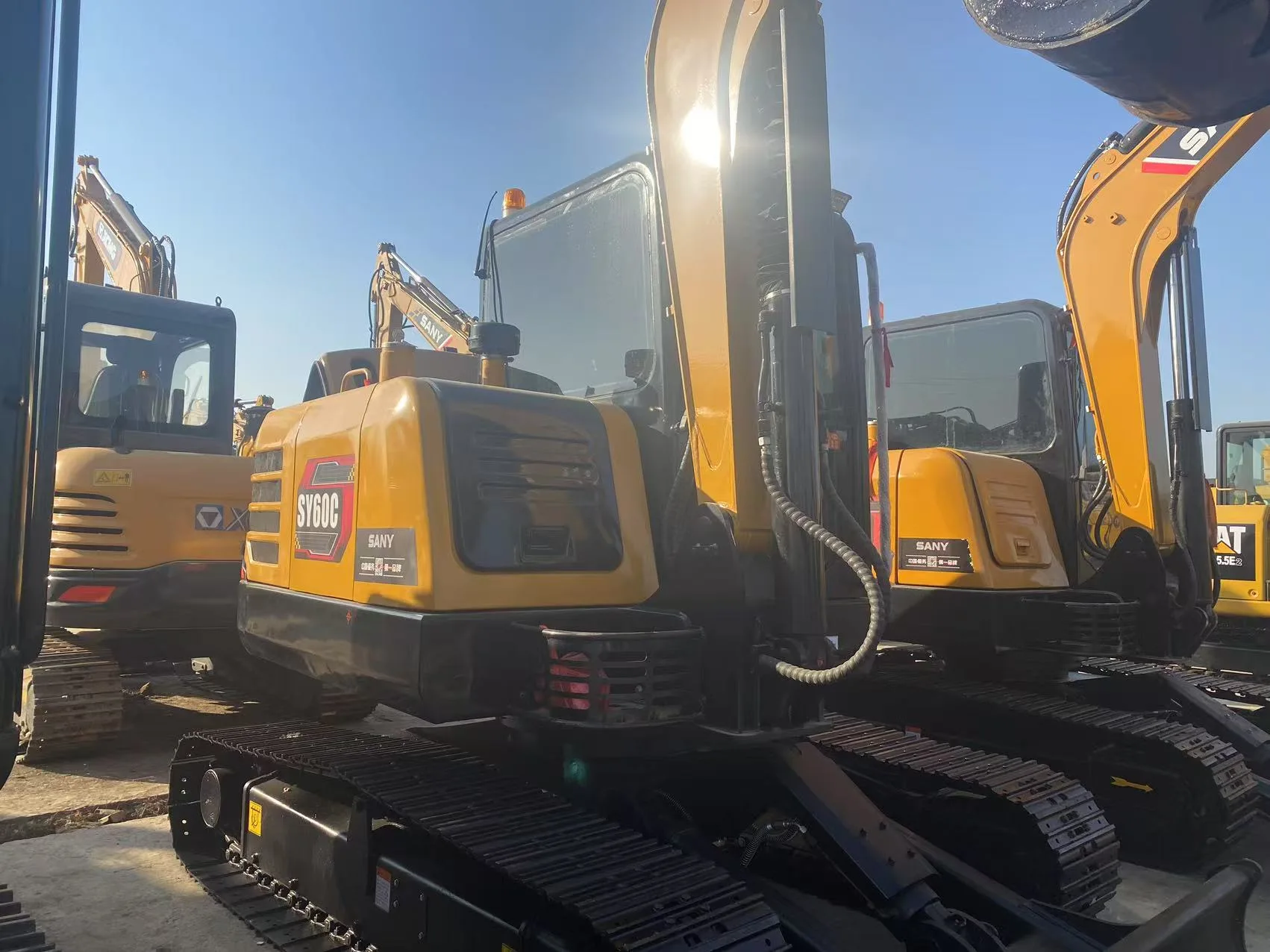
Key Characteristics of the Biggest Bucket Wheel Excavator in the World
Let us first grasp the basics of its structure and function. Only then can we explore the clever features that render this equipment truly outstanding.
Mechanical Design and Structural Scale
Bucket wheel excavators, or BWEs, excel due to their nonstop digging action. A turning wheel equipped with several buckets makes this possible. As a result, they gather material without interruption. This offers a huge benefit compared to older dig-stop-dump models. The wheel connects to an adjustable boom. That boom alters height and range. Thus, it reaches deep or broad digging areas.
The top BWE distinguishes itself through built-in high-volume conveyor setups. These run right from where buckets empty their load. They stretch along the arm and carry material smoothly away from the work zone. Advanced hydraulic and electric motors power everything. Such parts endure heavy pressures. At the same time, they ensure smooth operation. Engineers achieve this via clever stress sharing and backup power options.
Operational Efficiency in Large-Scale Mining
These massive units do not merely excavate. Rather, they control whole mining sites. For instance, they handle up to 240,000 cubic meters of covering soil each day. That makes them indispensable in coal pits and brown coal zones.
Equally noteworthy is how they cut down on stoppages. Current BWEs feature piece-by-piece building blocks. This setup speeds up swaps and simplifies upkeep. Automated checks tie into the main controls. They deliver instant data and warn of issues ahead of time.
Electronic controls add exactness too. From the operator’s seat, one monitors motion, force, energy use, and flow of earth. Consequently, tasks run more fluidly. And human input drops.
Energy Optimization and Power Distribution
Devices this large draw megawatts of electricity every day. So, handling power wisely lies at the core of their effectiveness. BWEs skip sole dependence on fuel motors. Instead, they employ electric motors linked to the power grid. This cuts pollution. Plus, it delivers steadier pulling power.
Clever power setups spread the workload smartly over parts. They even out use between the wheel, belts, and moving systems. During slowdowns or stops, recovery mechanisms grab leftover motion energy. Then, they feed it back in. Such traits boost green practices and trim expenses.
Material Handling Capabilities Across Terrain Types
A BWE needs to function well on diverse ground. It faces packed mud, soft covering layers, and even stony beds. The bucket shape aids in adjusting to these. Experts design buckets with precise forms. This cuts waste during scooping and boosts shift speed.
Steadiness counts just as much. Giant crawler treads with smart grip features help. They let the machine work on bumpy or tilted land. Safety and output stay intact. For better results in varied stuff, custom add-ons matter greatly. And here, firms like Guangdong Kingho Technology step up.
Compatibility with Advanced Excavator Attachments from Kingho Technology
Kingho Technology offers a fresh lineup of digger add-ons. These boost the value of top-tier digging gear. The Earth Bucket aids entry into thick stuff during big digs. It pairs well with BWEs in tough dirt or stony spots.
In softer items such as coal or sand, the Shell Bucket from Kingho ups holding space. It shortens wait times and raises output. Bucket shapes limit loss in moves. This proves key during endless shifts.
How Does Bucket Design Influence Excavator Efficiency?
The core of any digger’s output is its bucket. It touches the soil first. In bucket wheel excavators, this holds extra weight. Their round-the-clock style amplifies the point.
Optimized Geometry for Material Penetration
Today’s dig buckets differ from plain scoops. They serve as planned instruments. Such shapes lessen pushback in digs. At the same time, they pack in more load. Sloped sides ease entry. Toughened front edges last longer against rough wear.
Kingho’s Earth Bucket boosts initial push in firm ground. Its strong tooth setup and sturdy stuff like NM500 steel make this happen.
Volume Capacity Versus Material Density Trade-Offs
A key balance exists between load size and its weight. Kingho’s Shell Buckets fit big-volume, light-weight jobs like sand or scattered coal. Speed matters more than heft per scoop there.
These tailored forms also spread weight better inside. Spillage drops. Unneeded redo work fades. Over periods, this lifts productivity sharply.
Specialized Functions for Complex Tasks
Diggers now handle more than scooping. They raise, pick, grip, and break. Kingho’s Clamp Buckets secure odd or broken loads like wood or rubble. Built-in fluid grips cut the call for extra lift tools. Site work gains pace as a result.
Why Is Component Modularity Crucial in Large Excavators?
In far-off spots, these units run without pause. Lost time costs dearly. Thus, modularity ranks as more than a choice. It stands essential.
Simplified Maintenance and Downtime Reduction
Piece-based setups enable fast changes. No need to take apart whole units. Kingho applies this idea to all its add-on series. Their gear fits neatly with current digger bases. This suits big equipment groups well.
Uniform parts cut stored extras needed. Logistics improve. Long-run costs fall too.
Flexibility in Equipment Configuration Based on Site Needs
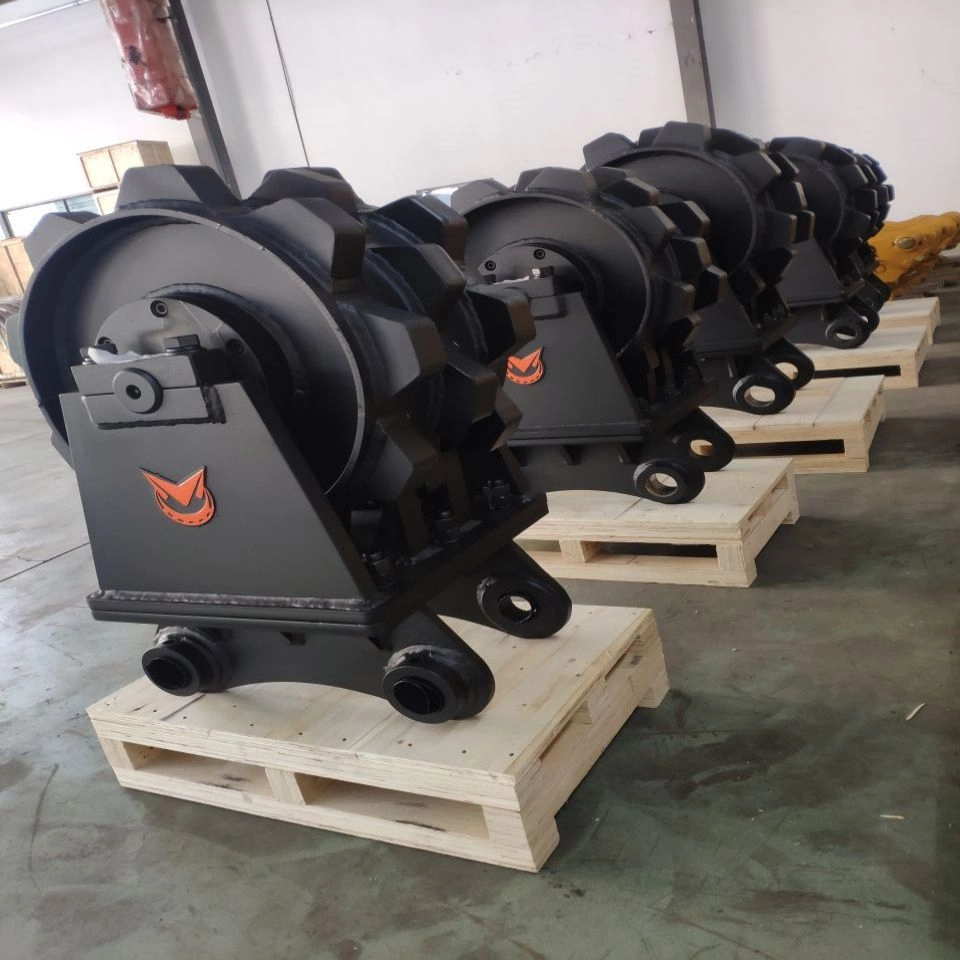
Project steps demand varied gear. Parts switch per land type, stuff kind, or job stage. Take Kingho’s Compacting Wheel. It adds after digging to firm up ground quickly. No extra machines clutter the area.
Scalability for Future Upgrades or Automation Integration
Mining areas grow more wired. A piece-based foundation eases ties to tracking setups, far-off controls, or smart data tools. Ready link points ensure lasting flexibility. Tech shifts fast in this field. So, this proves vital.
What Role Does Ground Interaction Play in Excavator Performance?
How a machine meets the earth shapes traction, slice accuracy, and job speed. It also affects how well the task finishes.
Traction and Load Distribution Across Contact Surfaces
Poor spread of weight causes slips or sinks, even in strong units. Even designs boost hold while easing part wear. Kingho’s Compacting Wheel firms ground after work. This raises safety. It also lessens shakes in the machine over time.
Soil Resistance and Material Displacement Efficiency
Digging involves clean breaks into soil. Smart bucket angles cut pushback and power drain in slices. Kingho’s rock-suited Earth Buckets lift output in tough spots. Hardened sides and even weight help.
Impact of Terrain Type on Attachment Selection
Ground kind sways add-on picks heavily. Shell Buckets work best in loose piles. Clamp Buckets fit mixed junk areas. Right choices speed things up. They also lengthen machine durability by easing undue strain on parts.
Can Attachment Innovation Drive Long-Term Excavator Productivity?
Add-ons serve as more than extras. They unlock multi-role work. One machine achieves greater feats.
Enhanced Tool Life Through Reinforced Materials
Kingho buckets use thick guard plates for longer runs. Abrasion-proof steel boosts toughness in harsh settings. This matters in gritty dirt or wrecking jobs.
Reduced Machine Stress Through Optimized Tool Design
Smart add-ons like Compacting Wheels share press forces evenly. Frame tiredness slows. Bucket flows cut pull on arms too. Both tool and unit last longer.
Improved Task Versatility Without Changing Base Equipment
A full add-on set lets one digger scoop, sort, firm, grip, and beyond. Clamp Buckets shift from digging to handling without swaps. Time saves directly at the site.
FAQs
Q1: What industries benefit most from using bucket wheel excavators?
A1: They’re primarily used in large-scale mining operations like lignite coal fields where continuous overburden removal is critical.
Q2: Can Kingho attachments be used with all brands of excavators?
A2: Yes, Kingho’s attachment line supports modular integration with existing excavator platforms, including those in the 20-36 ton range.
Q3: What makes Kingho’s Clamp Bucket suitable for irregular loads?
A3: Clamp Buckets from Kingho enable secure handling of irregular or fragmented materials such as logs or debris, thanks to their hydraulic clamping mechanisms and robust design.