
What Design Features Affect the Average Lifespan of a Backhoe in Hours
A backhoe’s lifespan is shaped by far more than brand reputation or the hours printed on a spec sheet. What keeps these machines running for years comes down to how they are built, what kind of components they use, and how well the design handles real-world work conditions. Some backhoes wear out quickly when pushed hard; others stay reliable through thousands of hours. Understanding the design features behind this difference helps buyers choose machines that last—and avoid the ones that won’t.
For contractors, recyclers, demolition teams, and material-handling operations, this kind of knowledge pays off almost immediately. It’s especially true for companies pairing their machines with heavy-duty attachments like grabs, shears, or breakers. In these cases, both the base machine and the front-end tools need to hold up under stress. Kingho Technology, known for producing strong and durable excavator attachments, offers good examples of how well-made components can extend a machine’s working life.
Below, we take a closer look at the design features that actually influence a backhoe’s average lifespan in working hours.
How Do Structural Materials Influence a Backhoe’s Service Life?
Before looking at engines or hydraulics, it’s worth checking the machine’s structure. Even the best powertrain won’t survive long if the body can’t stand up to twisting, vibration, or impact loads. A backhoe’s “bones”—the frame, boom, and stick—decide how it behaves under stress.
Transitioning into the key points, here are the features that matter most for structural durability.
High-Strength Steel Construction
Manufacturers who use high-strength steel give their machines a solid advantage in tough work. Steel grades like Q345, Q690, NM400, and NM500—materials frequently used in Kingho Technology’s attachments—offer strong resistance to bending and cracking. Backhoes built with similar grades keep their form better when digging in mixed soils or handling heavy materials.
A boom made of harder steel may weigh a little more, but it also lasts longer. Over thousands of hours, that difference becomes noticeable.
Wear-Resistant Components
The working ends of a backhoe—bucket edges, linkages, pin joints—take the most abuse. When these parts are made with thicker plating or wear-resistant alloys, the machine can stay tight and accurate for longer. Instead of developing loose joints or sloppy movements early on, it maintains consistent breakout force.
Kingho’s products often use wear plates, cast guards, and reinforced tooth structures. This same philosophy, when applied to a backhoe, slows down wear and reduces the need for early rebuilds.
Reinforced Boom and Arm Design
Some machines use internal rib plates or extra welds at stress points. These reinforcements help the boom and arm resist torsion when working sideways or handling off-center loads. A stronger structure also allows the backhoe to carry heavier attachments—like hydraulic breakers or crusher tools—without shortening its service life.
Why Does the Hydraulic System Determine Operating Hours?
A backhoe depends heavily on its hydraulic system. If the hydraulics weaken, the machine becomes slow, inaccurate, and eventually unusable. That’s why hydraulic design plays such a large role in the number of hours a machine can realistically reach.
Let’s move from the general idea into the specific design choices that help hydraulics last.
Cylinder Quality and Sealing Performance
Hydraulic cylinders work nonstop, so weak seals or poor surface finish can lead to leakage, creeping, or pressure loss. Kingho’s attachments, for instance, use imported HALLITE or NOK seals and honing-tube cylinders—choices that reduce friction and extend service life. A backhoe using similar-grade cylinders will experience fewer failures and require fewer rebuilds.
Better sealing also keeps dirt out, which is one of the biggest enemies of hydraulic systems.
Oil Flow and Pressure Stability
Hydraulic pumps that deliver steady flow prevent jerky movements and overheating. Machines with good flow distribution handle multi-function operation better. When a backhoe maintains stable pressure, the valves and hoses experience less stress, which adds years to their service life.
Over time, the difference between a pump running comfortably and one constantly pushed to its limit can be hundreds—sometimes even thousands—of working hours.
Pump and Valve Durability
Hard-chromed spools, well-machined valve blocks, and corrosion-resistant materials keep hydraulic circuits performing smoothly. These parts don’t usually get much attention from buyers, but they quietly decide how long a backhoe stays productive.
A worn valve block can make a machine feel weak or “tired,” even when the engine still runs well.
Which Powertrain Designs Extend Equipment Longevity?
Structural strength and hydraulics matter, but the powertrain—engine, transmission, and axles—is what pushes the hours higher. A tough machine with a weak powertrain rarely makes commercial sense.
As we step into this section, here’s how the powertrain contributes to long service life.
Engine Cooling Efficiency
Engines last longest when they run cool. Machines with larger radiators, better airflow paths, or improved fan systems handle heat much better in dusty or high-load environments. Backhoes used for demolition or recycling often run hot due to constant cycles, so cooling matters even more.
A well-cooled engine doesn’t just last longer—it also keeps the hydraulics stable because hydraulic oil heats up slower.
Transmission and Axle Protection
Smooth transmission shifting and well-protected axles prevent sudden load shocks. Good housing design, thicker casings, and protected lubrication channels all keep wear under control.
When gearboxes stay clean and well-oiled, they rarely fail early. Machines with sealed bearings—like the embedded bearing structures used in some Kingho equipment—also see fewer breakdowns.
Fuel System Reliability
Backhoes that use better filtration and stable fuel delivery avoid injector damage and fuel pump wear. It may not sound exciting, but fuel contamination causes a surprising amount of downtime. A reliable fuel system means fewer service stops and fewer expensive repairs.
How Does Attachment Compatibility Affect Backhoe Lifespan?
Backhoes today do more than digging—they carry grapples, breakers, crushers, and other heavy tools. If a machine isn’t designed with attachments in mind, using these tools can shorten its lifespan.
To explain this properly, let’s move into the major ways attachment design influences working hours.
Proper Match with Excavator Attachments
When a backhoe partners with well-matched attachments, stress stays balanced. Kingho Technology produces a wide range of tools—hydraulic breakers, steel grabs, demolition shears, pulverizers—built with Q345/Q690 steel and 42CrMo pins. These materials reduce deformation during hard work.
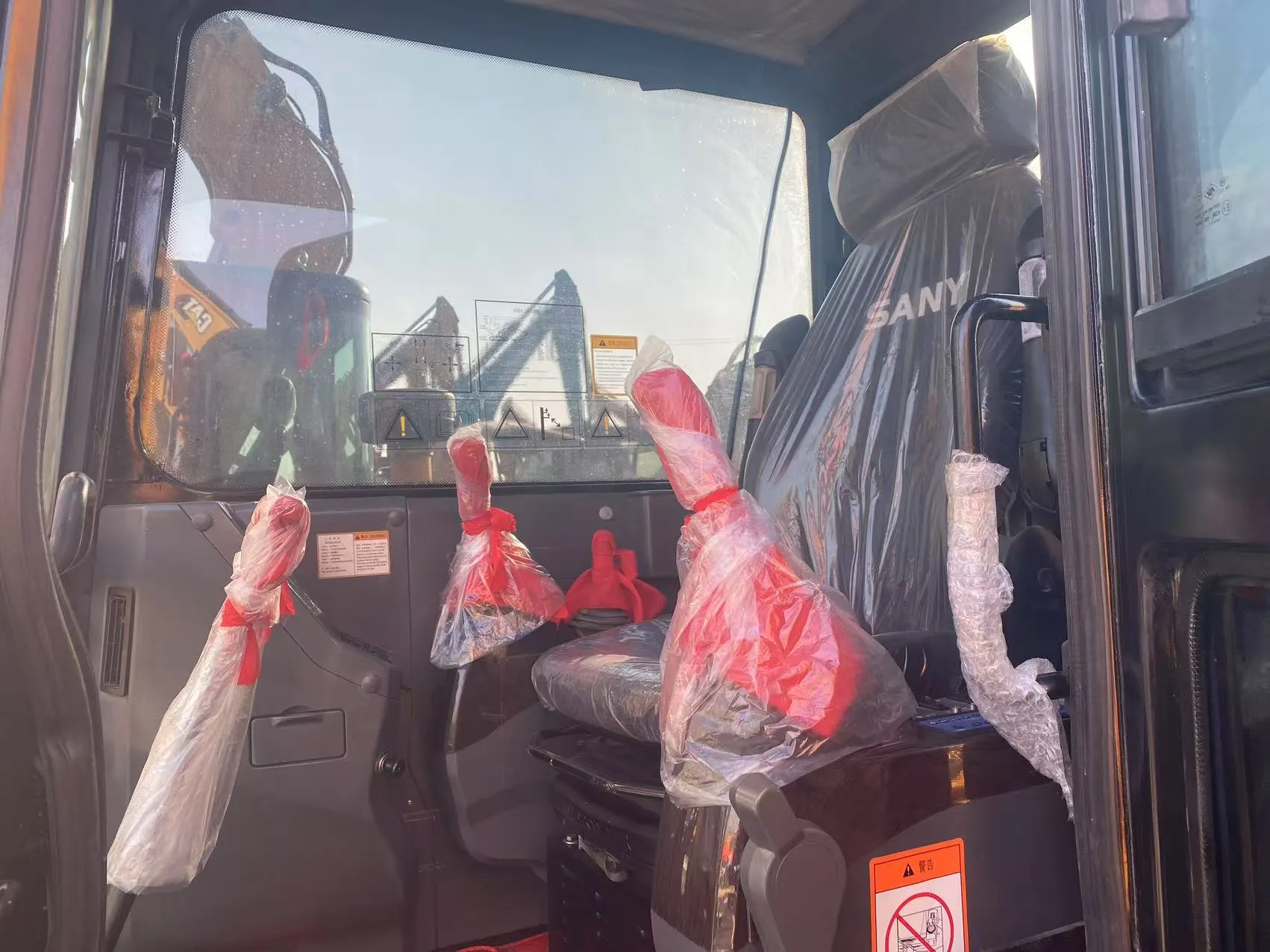
Pairing a backhoe such as the Sany60C Excavator with Kingho attachments creates a stable working combo. The Sany60C’s hydraulic system handles constant pressure well, and the machine structure supports the weight of tools used in recycling yards or construction sites.
Load Distribution and Force Balance
Attachments that distribute pressure evenly reduce twisting on the boom and stick. Tools with symmetrical designs, reinforced housings, or well-placed cylinders help avoid metal fatigue. This directly influences how long the backhoe lasts. If the load is off-balance, the machine wears out faster—period.
Quick-Hitch and Joint Protection
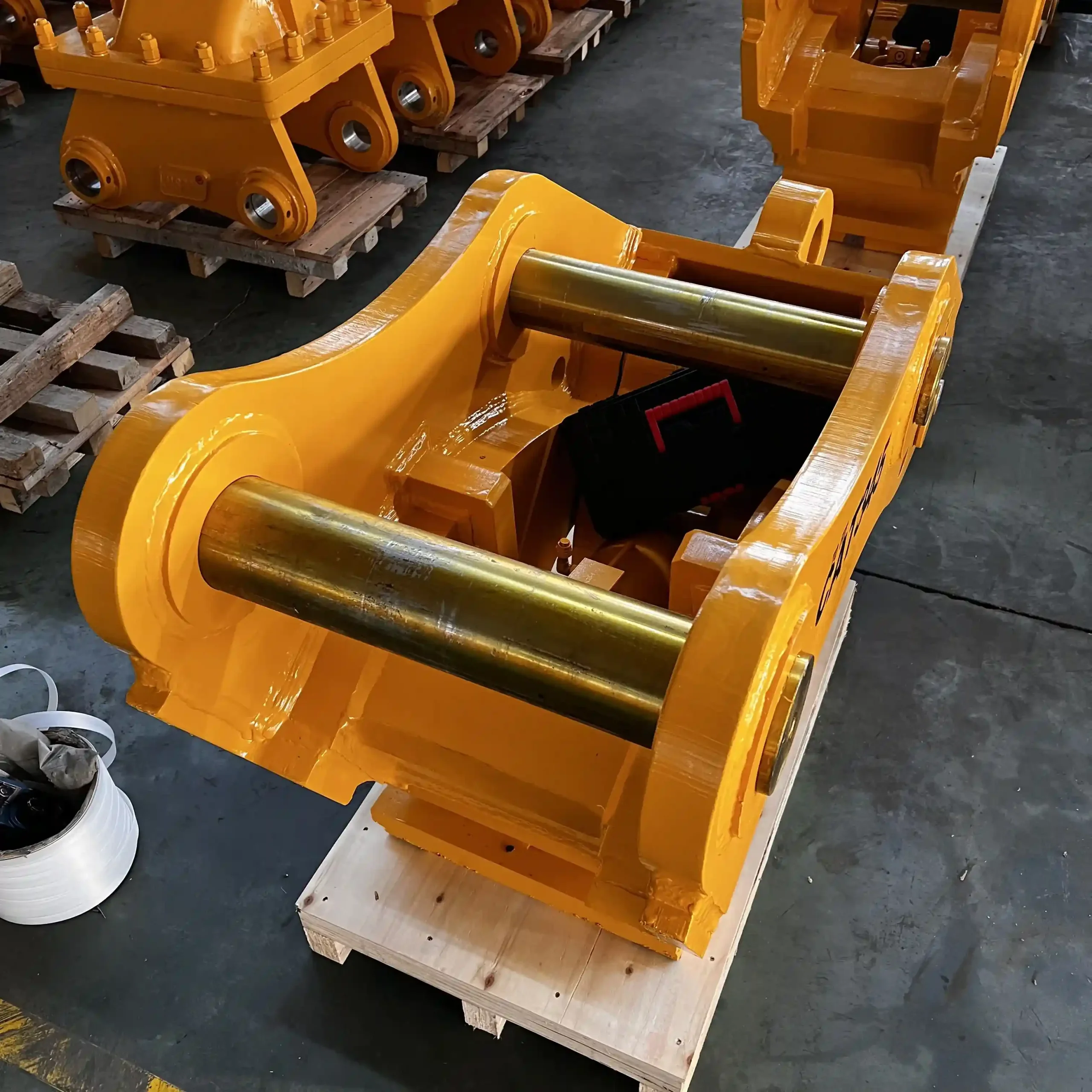
Quick-hitch systems save time, but they also protect joint surfaces if they’re built properly. A well-designed hitch avoids misalignment, which can otherwise accelerate wear. Kingho uses strengthened lock pins and impact-resistant steel, which lowers stress during attachment changes. When joints stay tight, the whole machine stays young longer.
How Does Maintenance-Friendly Design Support Longer Working Hours?
A final but often overlooked factor is how easily the backhoe can be maintained. Even a strong machine loses hours quickly if basic upkeep is complicated or time-consuming. To connect the idea to practical features, here are the designs that help most.
Accessible Service Points
Machines with grouped filters, wide-opening panels, and reachable grease points are much easier to keep in shape. When maintenance isn’t a hassle, operators are more likely to do it on time.
Simple access may not sound like a design breakthrough, but it adds real working hours over the machine’s lifetime.
Protective Covering and Dust Prevention
Dust is one of the worst things for engines, hydraulics, and electrical systems. Machines with protective guarding and sealed joints—similar to the dust-proof bearing structures found in some Kingho attachments—stand up better in harsh environments. Less dust inside the system means fewer failures down the road.
Modular Component Layout
Some machines place components in clean, logical layouts. This reduces repair time, avoids unnecessary disassembly, and helps mechanics spot problems early. When technicians can work faster and clearer, machines return to service without long delays.
FAQs
Q1: How many hours does a typical backhoe last?
A: Most backhoes run between 7,000 and 12,000 working hours, though well-maintained machines—especially those built with stronger materials—often pass 15,000 hours without major rebuilds.
Q2: Do heavy attachments reduce a backhoe’s lifespan?
A: Not necessarily. High-quality attachments that fit the machine properly actually protect it. Problems mostly come from mismatched or poorly built tools.
Q3: Is the Sany60C Excavator suitable for long-hour jobs?
A: Yes. The Sany60C combines stable hydraulics, strong structural parts, and reliable engine cooling, making it a good base machine for long-hour construction or recycling work—especially when paired with durable Kingho attachments.