
What Are Common Red Flags to Avoid When Sourcing Grapple Attachment for Excavator Equipment
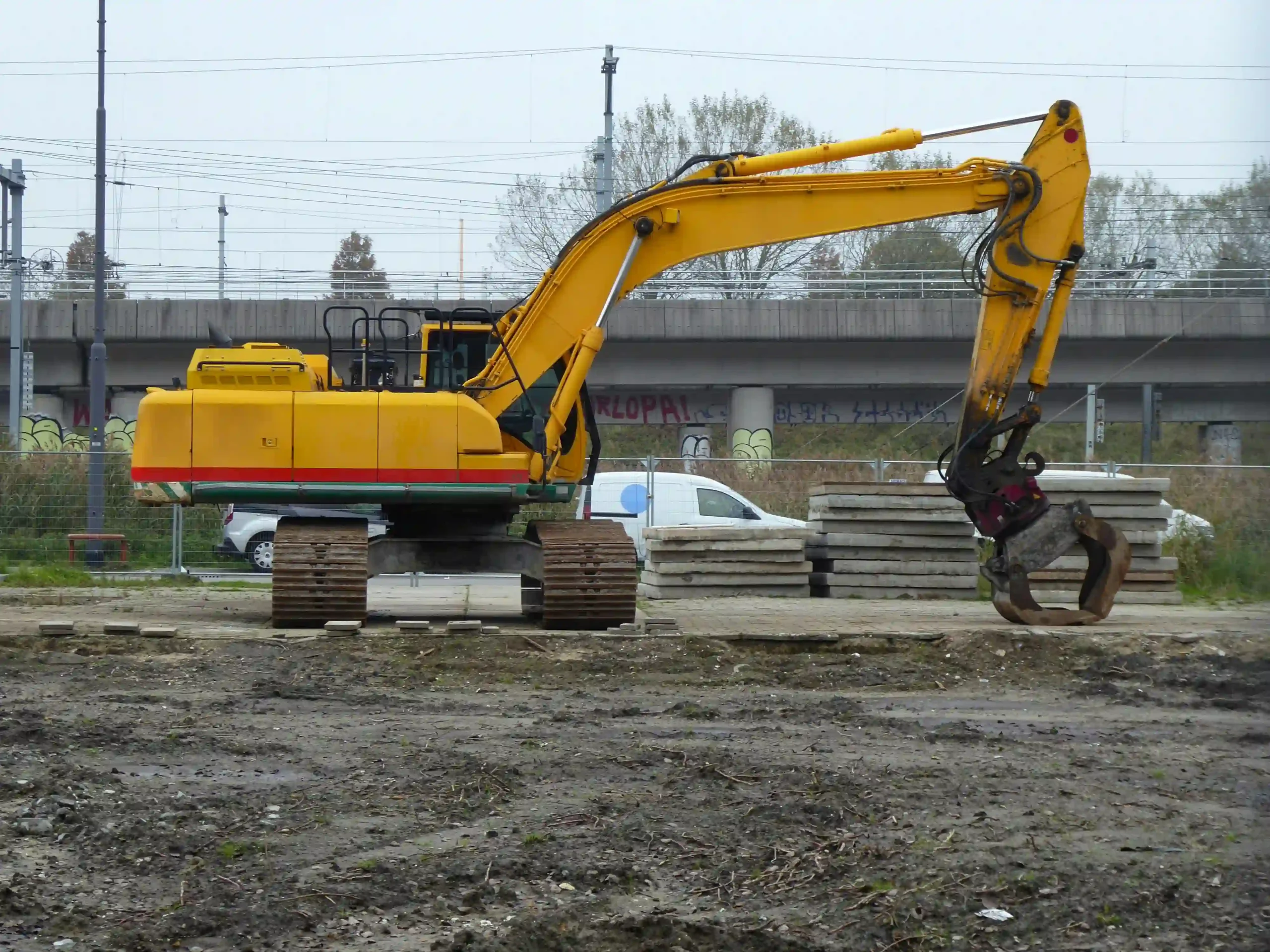
Selecting the proper grapple attachment for excavator gear goes beyond simply checking the listed specifications. Many attachments that underperform or break down too soon hide various ignored warning signals. These problems could often be spotted during buying or checking. Fleet managers in areas like demolition, scrap processing, or city waste management can avoid extra stoppages and rising fix-up expenses by spotting these signs. This piece examines the main concerns in quality, structure, and fitting. It explains why they matter. Plus, it highlights how Guangdong Kingho Technology‘s Orange Peel Grapple serves as a solid choice.
How Can You Identify Poor Build Quality in a Grapple Attachment?
Before using a grapple in action, certain visible and material hints can point to weak making standards or production shortcuts. These clues appear right away.
Inconsistent Welds and Structural Weak Points
A primary sign of bad workmanship shows in the welding. Rough or messy welds suggest low strength during tough tasks. Check for bubbles, uneven lines, or holes at key connection spots. Also, parts such as the tines or claws need to be sturdy and backed up well. Slender or weakly supported tines might twist or snap when handling heavy or sharp items like scrap metal.
Surface covering is another issue. Without good protective layers, rust can start early, mainly in open-air or salty settings. Steel without right coatings or anti-rust steps faces quick breakdown from air and wear. This shortens how long the grapple lasts.
Use of Low-Grade or Mismatched Materials
Cheap starting materials often cause early breakdowns. Inferior steel types cut down on power and resistance to tiredness. For instance, a top grapple relies on tough plates such as NM500 or Q690 strong steel. It avoids basic mild steel. The Orange Peel Grapple from Kingho employs NM500 steel. This material stays light and resists wear well.
Parts that face rubbing, like ends, cutting edges, or jaw surfaces, require hardening. If not, they erode fast against rough stuff. Non-hardened wear parts give out quicker in gritty spots. Even worse, mismatched stuff between pieces can lead to cracks from uneven stretching or shrinking with heat changes.
Absence of Rigorous Quality Control Measures
Certifications usually show good factory rules. Missing ISO or CE marks might mean little testing happens. Kingho Technology has earned ISO9001 certification, ISO14001 certification, high-tech enterprise certification, and CE certification in a row. These prove strong oversight in making.
Lacking number codes or follow-up systems makes it hard to track faults to their start. This turns warranty requests and swaps into big hassles. No traceability or serial tracking cuts down on fixing blame for issues. On top of that, uneven sizes mess up how well the attachment matches excavators. It causes bad fitting or risky work.
What Design Flaws Should Raise Concerns During Evaluation?
Material and build problems aside, bad design choices can ruin a solidly made grapple. This holds true in hard job settings. Such flaws limit usefulness quickly.
Poorly Engineered Cylinder Placement and Hose Routing
Hydraulic pieces rank high among weak spots on grapples. When cylinders sit outside without covers, they face more hits from junk or falling loads. Exposed hydraulic cylinders take more damage from bumps.
In the same way, if hoses lack firm holds or paths clear of rubbing areas and motion, they break sooner. Bad hose paths raise chances of scrapes and spills. Hydraulic leaks then cut down on how well it runs. Little shielding for active parts hurts lasting steadiness.
Limited Jaw Opening or Clamping Force Range
A grapple’s value ties to its handling power. Tiny jaw gaps lower how much stuff it grabs each time. Workers end up doing more grabs per pile. This slows down output. Low grip strength weakens hold on big or uneven junk, like bent iron bars or scrap packs.
Think about flexibility too. A tight range cuts uses across different jobs. Grapples that fail to handle varied sizes or forms annoy drivers who shift tasks often.
Lack of Modular or Replaceable Wear Components
Fixes happen no matter what. But their ease depends on the build. Tips or edges that can’t swap raise ongoing care costs. Worn spots force full unit changes instead of single parts.
Set designs limit changes for various stuff. Grapples with swapable claws or bolt-on ends let users adjust for jobs. These cover wood against steel or rock. Hard-to-break-apart setups make on-site fixes tough. Simple repairs become long waits.
Why Is Compatibility With Excavator Systems Critical?
The best grapple loses meaning if it doesn’t attach right to the machine. Worse yet, it might hurt the excavator’s hydraulic setup. Fitting matters a lot for safe and smooth work.
Mismatched Mounting Interfaces and Couplers
Linking an attachment to an excavator shouldn’t need extra welding in the field. Wrong coupler sizes create shaky links that might give way during use. Bad lining puts extra load on the arm and cuts handling accuracy.
Even with adapters to make it work, non-standard mounts call for pricey changes or add-ons. Both take time and invite mistakes.
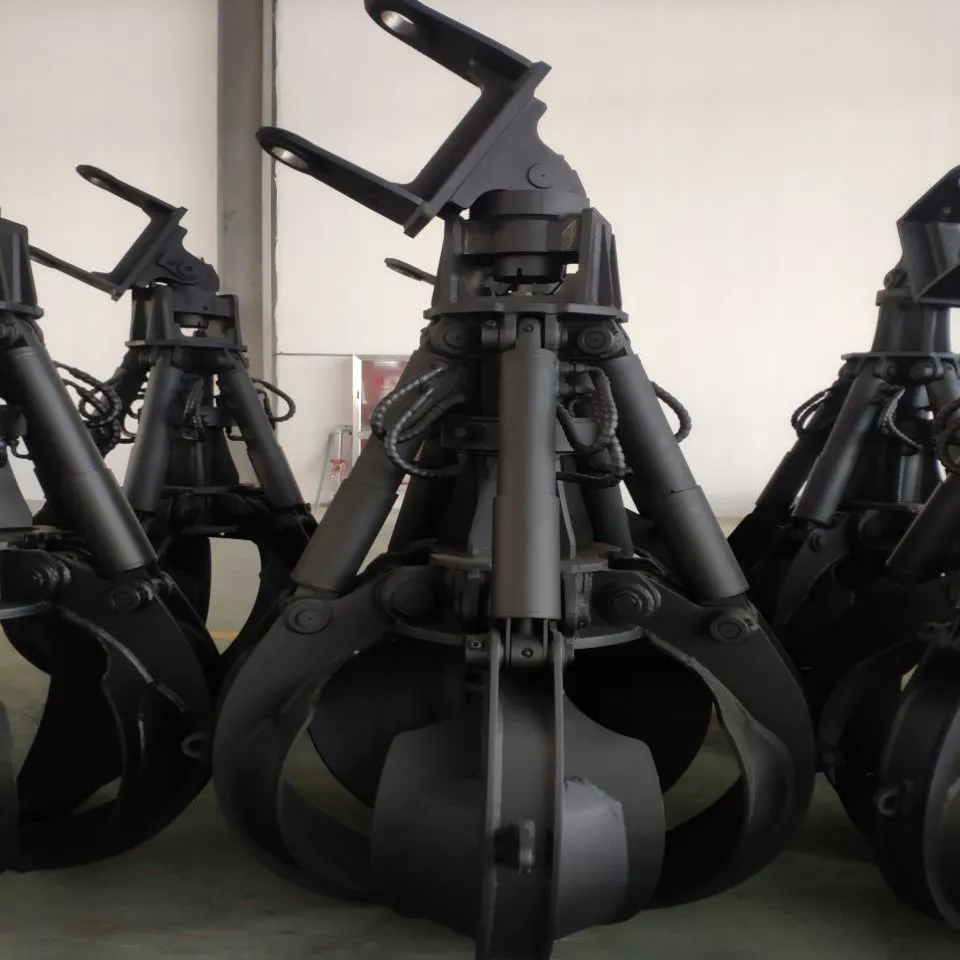
Guangdong Kingho’s Orange Peel Grapple allows tailored mounting choices for easy setup on location.
Hydraulic Flow Requirements That Exceed Machine Specs
Each grapple lists a suggested flow speed and pressure level. When the attachment asks for more flow than the excavator gives, it runs slower. Low flow limits how fast the grapple moves and reacts.
On the flip side, too much flow need heats up the system and wears the pump. It risks hose bursts. Wrong pressure levels can break seals and cause fluid escapes.
Kingho suggests verifying the excavator hydraulic system flow is ≥120L/min and pressure at 210 bar for best results.
Electrical Integration Issues With Smart Systems
Newer excavators include electronic controls and auto features. Sensors or controls that don’t match block auto tasks like self-setting or tool spotting.
No easy-connect options stretch setup time and expense, especially with hand wiring. Program mismatches stop data logs for team tracking and early fix planning.
What Procurement Practices Lead to Suboptimal Supplier Selection?
Buying teams often hit simple errors that bring bad results over time. Initial low prices might seem good, but they hide bigger issues. Spotting these habits helps pick better partners.
Prioritizing Price Over Long-Term Value and Support
Cheap buys cut short-term costs, yet they add up later. Budget picks usually skip follow-up help or easy part access. This means longer pauses when failures hit.
Brief guarantees show little faith in lasting use. Extra expenses come from repeated stops and lost work time. These hurt round-the-clock setups most.
Ignoring Manufacturer Reputation and Field Proven Results
Fresh brands without proven records pose bigger chances of letdowns. Their items lack wide real-world checks. Few user stories make claims hard to trust.
Kingho Technology started making excavator attachments in 2009. The company joined big shows like BAUMA CHINA and BICES. This builds trust in home and abroad markets. Limited worldwide reach hints at issues scaling for big teams across areas.
Overlooking Customization Capabilities for Specific Applications
Standard items seldom suit special site needs well. Missing add-ons like turns, prongs, or shields narrow what it can do. Kingho provides flexible builds. Attachments swap in 15 minutes. This helps shift from rock grabs to scrap sorts.
Rigid setups clash with current gear lines set to certain makes or setups.
Why Should You Consider Kingho Technology’s Orange Peel Grapple?
With so many risks in picking grapple attachments, Kingho Technology stands out as a tested option. It tackles key worries from toughness to linking up. Operators gain from its steady performance.
Proven Durability Backed by High-Tensile Steel Construction
Kingho’s Orange Peel Grapple uses tough materials suited for scrap, rock, and tear-down jobs. Its backed-up frame promises extended use in rough spots. Anti-rust layers guard against bad weather effects.
This tough build cuts surprise breakdowns in tough zones. Think steel lots or build waste areas.
Engineered Compatibility With Mainstream Excavator Brands
Kingho grapples come in sizes for 20-ton to 36-ton machines. They include full-turn action from hydraulic motors. Tuned hydraulic parts ensure even running without overload on common excavator types.
For special couplers or extra lines for turn features, Kingho offers custom bracket fits.
Reliable Support From a Specialized Attachment Manufacturer
Kingho supplies complete guides, replacement pieces, and setup tips. It goes beyond basic lists. Worldwide shipping aids quick sends to various spots. Their long background keeps quality steady in every line.
FAQs
Q1: What hydraulic specs should my excavator meet to use Kingho’s Orange Peel Grapple?
A: Check that your excavator has at least 120L/min flow rate and 210 bar pressure. Also confirm a third hydraulic line is available for rotation functionality.
Q2: Can I replace worn claws on my Kingho grapple?
A: Yes. Kingho’s grapples feature modular designs that allow quick replacement of wear parts like tips and jaws, minimizing downtime on site.
Q3: Is Kingho certified for international markets?
A: Yes, Kingho holds ISO9001, ISO14001, CE certification and more, making it suitable for both domestic and global operations.