
What Is the Average Working Hour Range for a Backhoe Loader
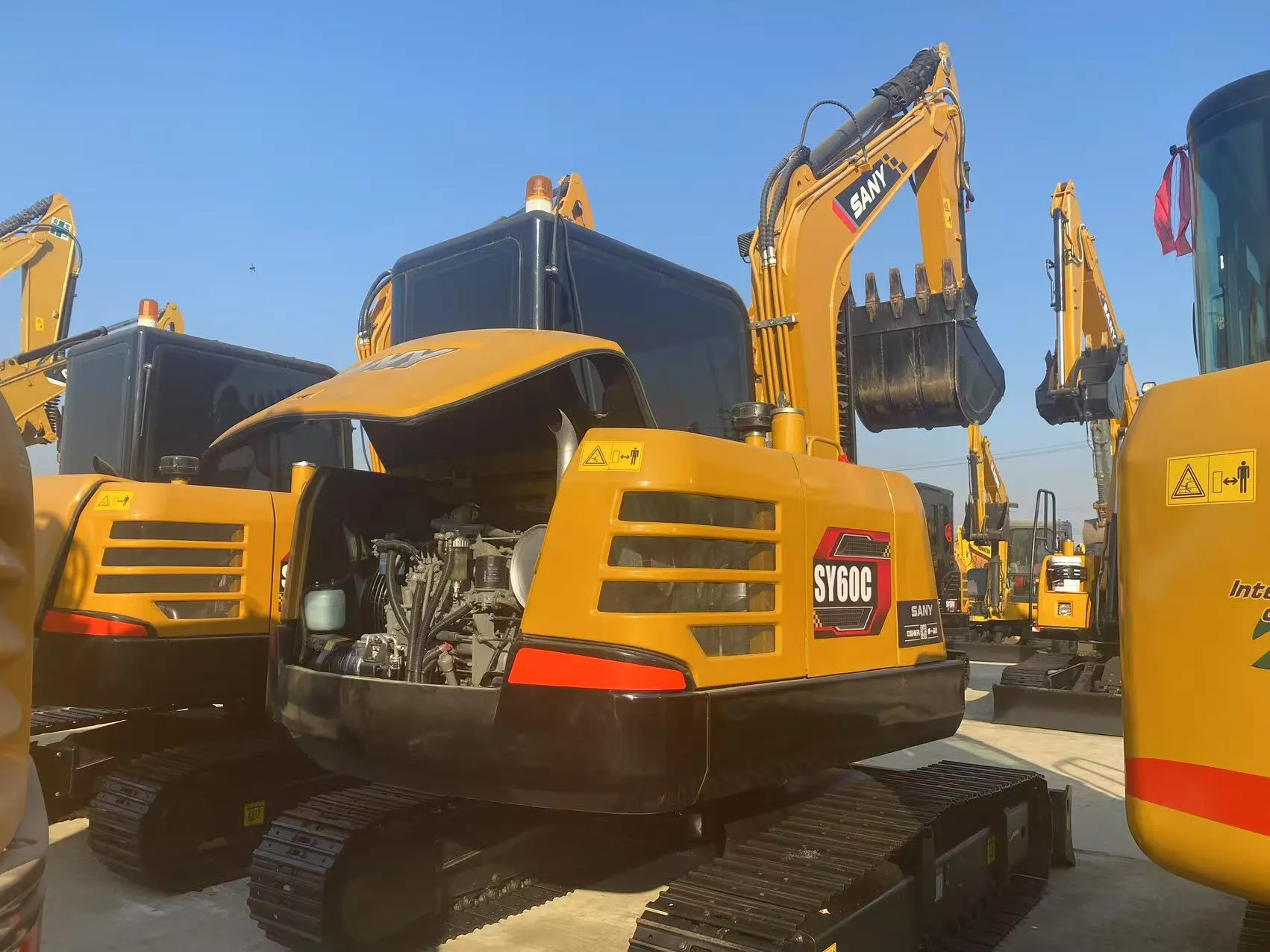
Backhoe loaders show up on many kinds of job sites. Some are small city repair projects, and some are large ground-moving jobs. No matter the size, people always want to know how long these machines can work in one day without pushing them too hard. The daily working hour range matters because it affects machine life, repair costs, and job planning. It also changes a bit depending on what tools the machine uses. Strong attachments, like the ones from Kingho Technology, often help the machine work longer since they reduce stress and save extra effort during heavy tasks.
Why Do Backhoe Loaders Have a Standard Working Hour Range?
Before talking about the numbers, it helps to look at why the industry uses certain working hour expectations. Backhoe loaders act as both excavators and loaders, which means they face more stress on the hydraulic parts and the frame. Different motions and speeds also create different heat levels. So the idea of “safe working hours” comes from how the machine reacts to these mixed jobs.
Typical Daily Operation Duration
Most job sites follow a simple pattern. Backhoe loaders usually run around 6–8 hours on a normal workday. This is enough time to finish trenching, loading light materials, or doing basic digging tasks. It is long enough to stay productive but not too long for the hydraulic system. That keeps the machine stable and reduces sudden breakdowns.
Factors Affecting Machine Wear and Tear
Still, not every job is the same. Some tasks wear the machine faster. Hard ground, mixed gravel, or tasks that need a lot of lifting can shorten the comfortable hour range. When the machine keeps hitting tough material, the pins, bushings, and cylinders work harder. Over time, this increases maintenance and slows the day.
At this point, strong tools make a big difference. Kingho buckets, made with Q345 steel or Hardox steel, stay firm even after long digging cycles. When the attachment stays tough, the machine doesn’t have to fight back or use extra force, which helps keep the working hour range steady.
Industry Norms for Safe Utilization
Across many projects, contractors stick to a safe range of about 6–10 hours per day. This depends on job difficulty. Even though modern engines and pumps are reliable, running the machine endlessly can cause overheating and faster wear. A regular routine keeps the backhoe loader healthy and avoids downtime in the long run.
How Does Work Intensity Influence Backhoe Loader Hour Limits?
Once you look at real job situations, you see that the hour limit changes a lot depending on how tough the work is. A machine digging loose soil can work much longer than one breaking compact earth or lifting big loads all day.
Material Density and Excavation Toughness
Dense soil, rocky ground, or mixed gravel create resistance. The harder the ground, the more pressure the hydraulic system needs. This pressure builds heat. Machines working like this often stay within a shorter daily range, around 4–6 hours of heavy digging.
Using stronger tools helps prevent extra stress. Kingho Rock Buckets come with guard plates and wear blocks. They don’t bend easily. So the backhoe loader can dig harder ground without wasting extra force.
Hydraulic System Load and Continuous Duty Cycles
Every backhoe loader has a comfortable temperature range. When a job needs high-flow oil all the time, the hydraulic system heats up quickly. Operators sometimes stop just to cool the system down. Heavy duty cycles also increase repair needs over time.
Kingho’s hydraulic tools—like the Hydraulic Breaker and Sorting Grab—use HALLITE oil seals and cylinders made with honing tubes. These help the oil move smoothly during long operations. Because of that, the machine can work longer without overheating or shaking too much.
Operator Skill Level and Worksite Conditions
The job site also matters. Uneven ground, limited space, or muddy soil forces the operator to make many adjustments. Operators with more skill move smoothly, which reduces stress on the machine. Newer operators may create sudden motions that increase load and shorten daily hours. Weather and dust also play a part. Hot days or sandy areas usually push operators to shorten work cycles.
What Is the Recommended Working Hour Range for Efficient Performance?
Because job types vary so much, most contractors divide backhoe loader usage into three common levels. These levels help balance job needs with machine life.
Light-Duty Operation: 4–6 Hours per Day
Light work includes digging in soft soil, loading loose material, or doing daily municipal work. Machines here usually stay comfortable at 4–6 hours. They don’t hit high pressure often, and the operator moves at a steady pace.
Medium-Duty Operation: 6–8 Hours per Day
Most daily construction work sits here. Jobs like utility repairs or basic ground shaping fit this category. Contractors prefer this range because it balances productivity with long-term machine health. The machine stays active without overworking the hydraulic parts.
Heavy-Duty Operation: 8–10 Hours per Day
Heavy work means tasks that require more impact or pressure. Breaking compact material, digging rocky soil, or lifting large pieces can push the backhoe loader harder. The machine can still work 8–10 hours a day, but usually with cooling breaks. Attachments built for heavy work—like Kingho’s Powerful Shear or Hydraulic Pulverizer—help control stress and maintain steady output.
Which Attachments Help Extend a Backhoe Loader’s Effective Work Hours?
Backhoe loaders depend heavily on their tools. A good attachment can change the whole workday. When the tool cuts cleanly or digs smoothly, the operator does not need to correct movements constantly. That saves energy and time.
Hydraulic Quick Hitch for Faster Tool Changes
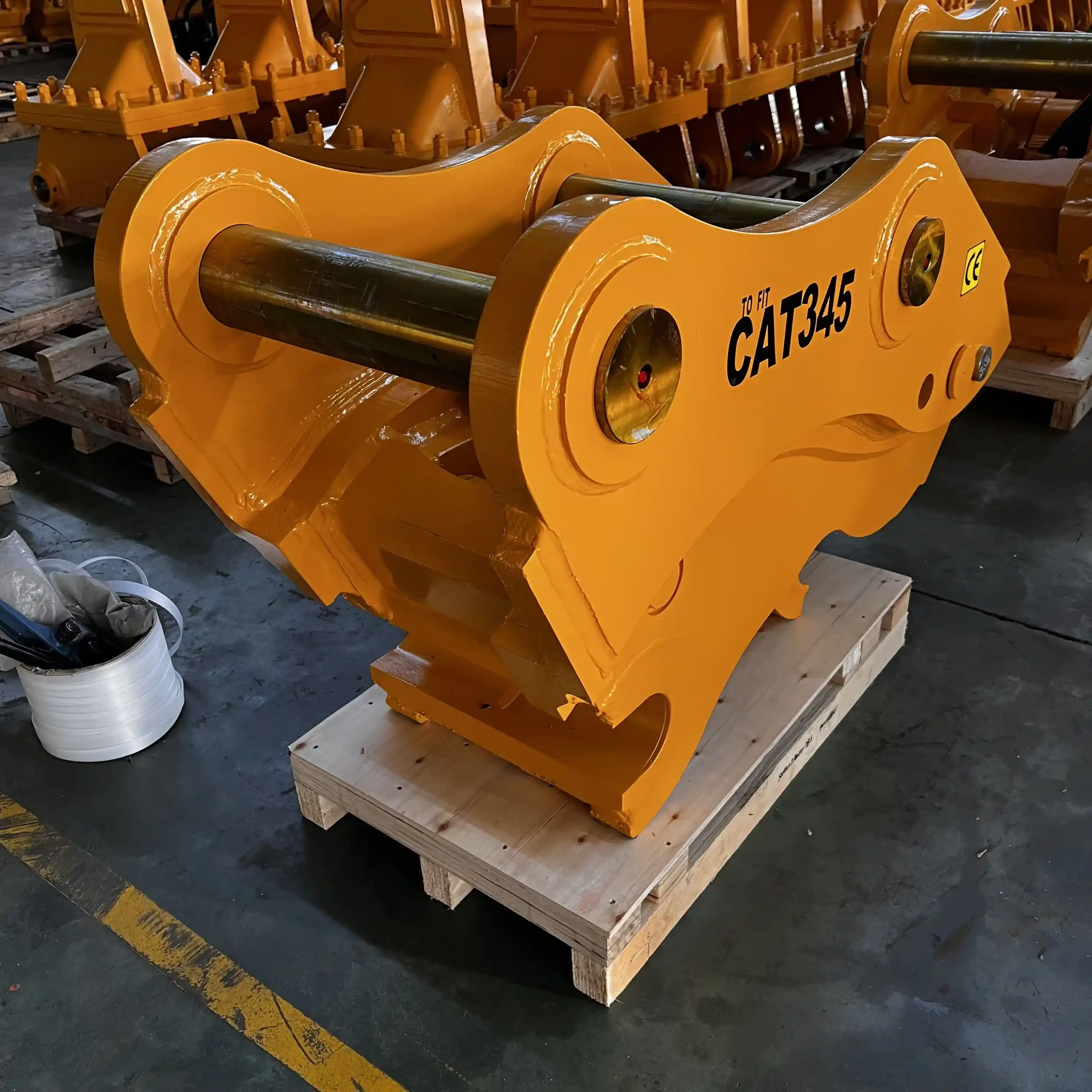
A strong quick hitch reduces downtime a lot. Kingho’s Hydraulic Quick Hitch is built with Q345 manganese steel and a double-lock system. Operators can switch buckets, grabs, or breakers in a short moment. This makes long workdays smoother. The 42CrMo pins and HALLITE seals give better stability when working long hours.
Excavator Bucket Options for Different Soil Conditions
Using the right bucket helps the machine stay in good shape. Kingho offers Rock Buckets, Skeleton Buckets, and standard Excavator Buckets. These use strong steel plates and wear blocks that handle long digging cycles. When the bucket stays solid, the backhoe loader doesn’t waste time correcting every move.
Hydraulic Breaker for High-Impact Applications
Jobs that require breaking concrete or hard soil take a lot out of a machine. A durable breaker spreads the impact evenly and avoids shaking the arm. Kingho’s Hydraulic Breaker has a reinforced body and a smooth oil system. It handles long hours without stressing the frame. That means the backhoe loader keeps going without cutting the shift early.
Why Should Contractors Consider Kingho Attachments to Improve Work Hour Efficiency?
Backhoe loader performance depends greatly on the quality of attachments. Tools that stay strong and steady help the operator finish tasks faster. They also lower the stress on the machine, especially during heavy cycles.
High-Durability Materials for Longer Service Intervals
Kingho uses Hardox steel, Q345 manganese steel, and 42CrMo alloy pins in many of its products. These materials work well with friction, pressure, and daily wear. Because of this, the attachments stay in shape even after long hours of work. A tougher tool helps the machine stay inside its ideal work range more often.
Modular Designs That Reduce Downtime
Many Kingho attachments—such as grabs, shears, and pulverizers—have modular designs. They are easier to maintain and fix. Shorter maintenance breaks mean the machine goes back to work quickly. This raises total daily working hours.
Customized Attachment Solutions for Diverse Job Requirements
Different job sites need different tool shapes and sizes. Kingho offers custom options for many attachments. When a tool fits a task well, the backhoe loader works smoother and lasts longer through the day.
FAQ
Q1: How many hours can a backhoe loader work in a single day?
A: Most machines work best between 6–10 hours a day, depending on the job type and soil conditions.
Q2: Can attachments increase working time?
A: Yes. Strong attachments reduce stress and help the machine stay steady during long cycles.
Q3: Are Kingho attachments compatible with many machine brands?
A: Yes. Kingho offers customizable mounts that fit a wide range of backhoe loaders and excavators.